Van Relocation: How to Transport a Van Interstate in Australia
Published 15/08/2026 · Updated 07/10/2026 · Auto Mover Australia
Whether you're moving a campervan across the country, relocating a work van for a new job, or shifting a fleet vehicle between branches, transporting a van interstate is a common need for Australian businesses and families alike. Vans are bulkier than the average sedan and often carry tools, fit-outs, or personal belongings, which makes choosing the right transport method genuinely important. This guide walks you through how van relocation works in Australia, what to prepare, and how to choose a provider you can trust.
Why Van Relocation Is Different from Car Transport
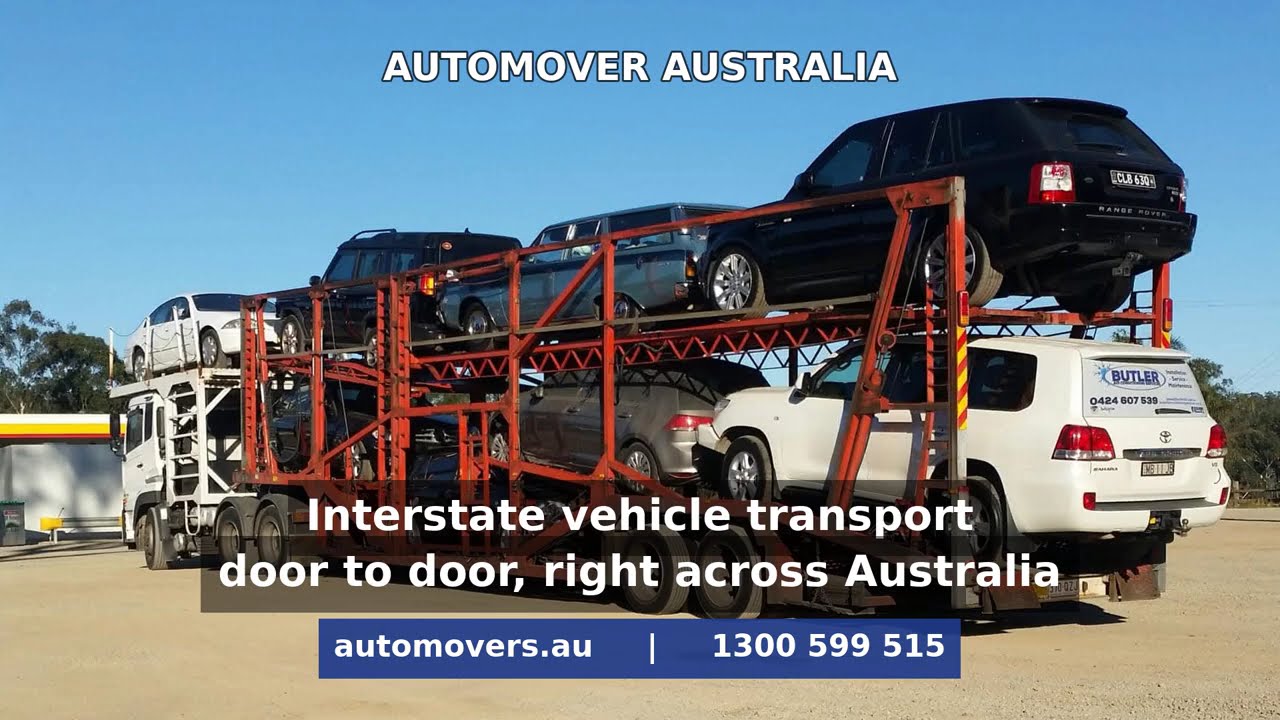
Vans come in all shapes and sizes — from compact panel vans to long-wheelbase campervans and converted motorhomes. Height, length, and weight all affect how a van is loaded and secured on a carrier, and some larger vans may need to travel on specialised equipment rather than a standard multi-car carrier. If you're relocating a passenger vehicle alongside a van, it's worth comparing options through both car carrying and truck and van transport services, as the right solution depends on the vehicle's dimensions and how it's configured.
Campervans and motorhomes with fixed furniture, appliances, or gas fittings also need a bit more thought before transport, particularly around securing loose items and disconnecting power sources.
Depot-to-Depot vs Door-to-Door Van Transport
There are two main ways to move a van interstate, and the right choice depends on your budget, timeline, and convenience preferences.
- Depot-to-depot transport: You drop your van at a local depot and collect it from a depot at the destination. This is often the more cost-effective option and works well if you're flexible on timing and don't mind a short drive at either end.
- Door-to-door transport: A carrier picks the van up from your address and delivers it directly to the destination address. This is more convenient, especially for business vans that need to be on-site for work, but access can sometimes be limited in tight residential streets or apartment complexes.
Reputable operators have depots in every state, so you can mix and match — for example, door pickup and depot drop-off — depending on what suits your situation and your budget.
Preparing Your Van for Interstate Transport
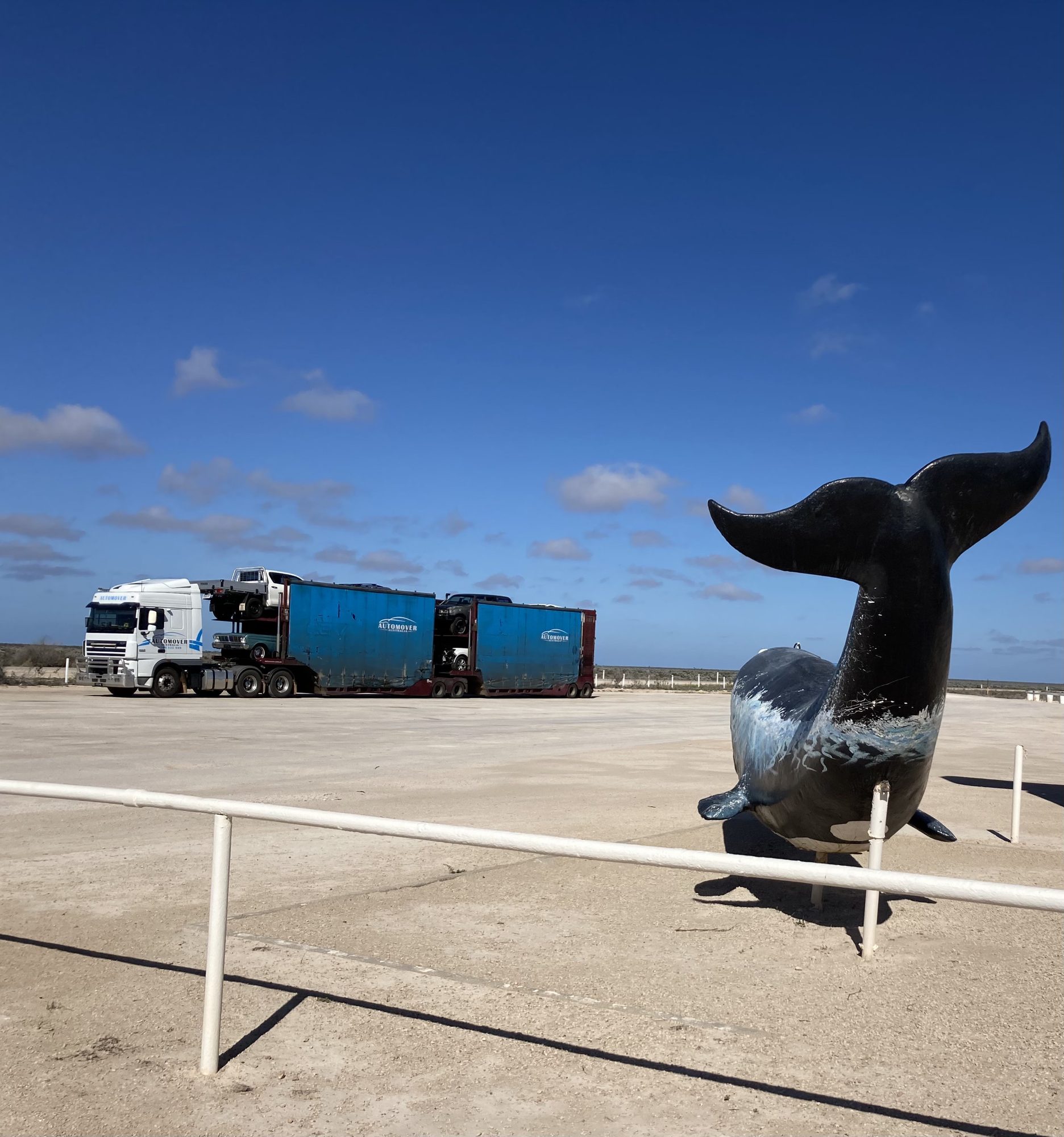
Good preparation reduces the risk of delays or issues on transport day. Here's what most Australian carriers will ask you to do before handover:
- Clean the van inside and out. This makes it easier to spot any existing marks or damage during the condition report at pickup.
- Remove or secure loose items. Tools, camping gear, cushions, and loose fittings should be stowed or removed, as unsecured items can shift during transit and cause damage.
- Check fluid levels and tyre pressure. A basic mechanical check helps avoid surprises, particularly for vans that haven't been driven recently.
- Disconnect leisure batteries and gas bottles where relevant. For campervans and motorhomes, isolating gas systems and securing batteries is a sensible safety step.
- Leave a quarter tank of fuel. Most carriers only need a small amount of fuel for loading and unloading, and it keeps the vehicle lighter for transport.
- Remove personal registration or toll tags if required. Check with your carrier whether e-tags need to be removed to avoid unwanted toll charges during transit.
- Photograph the van from all angles. This gives you your own record to compare against the condition report at delivery.
Ask your provider whether interior belongings are permitted, as policies vary between depot and door services and between operators.
What Affects Cost and Transit Time
Every interstate move is different, so prices vary depending on the route, the size and weight of the van, the season, and whether you choose door-to-door or depot-to-depot service. Rather than relying on rough estimates, it's best to get an instant quote based on your actual vehicle and route.
Transit times depend largely on distance and the route taken by the carrier, along with backloading schedules that help keep costs down. You can check general transit times for popular interstate routes to get a sense of how long your van's journey might take, though actual timing can shift due to weather, road conditions, or carrier scheduling.
It's also worth understanding how fluctuating fuel prices can affect transport costs. Most Australian carriers apply a fuel levy that adjusts with market fuel prices, so it pays to check how this is calculated and included in your quote.
Choosing a Reliable Van Transport Company
Not all interstate transport providers handle vans the same way, so it's worth doing a bit of homework before booking.
- Check insurance coverage. Confirm what's covered during loading, transit, and unloading, and ask about excess amounts.
- Ask about carrier type. Some specialist operators offer enclosed transport, though Auto Mover moves vans on open carriers, so check whether your van needs a specific trailer type due to height or length.
- Look for depot coverage. A company with depots in every major state and city gives you more flexibility with pickup and delivery points.
- Read the fine print on condition reports. A thorough pre- and post-transport inspection protects both you and the carrier.
- Consider a company's track record. Providers trusted by 10,000+ happy customers across cars, vans, boats, and trailers generally have well-tested processes for handling different vehicle types.
If you're moving other vehicles at the same time — a boat, jet ski, caravan, or trailer — many operators can coordinate multiple transports together. Take a look at boat and jet ski transport or trailer transport if you need to relocate more than just the van.
Common Questions About Van Relocation
Van owners often have similar questions before booking: can I leave belongings inside, what happens if my van won't start, how far in advance should I book, and what documentation do I need at handover. Many of these are answered in detail on our frequently asked questions page, which covers booking timelines, insurance basics, and what to expect on pickup and delivery day.
If your situation is a little different — an oversized campervan, a non-running van, or a tight delivery window — it's worth reaching out directly. The team can talk through options and confirm what's possible for your specific vehicle and route via the contact page.
How much does it cost to transport a van interstate?
Cost depends on the route, the size and weight of the van, the season, and whether you choose door-to-door or depot-to-depot service. It's best to get an instant quote based on your actual vehicle and route rather than relying on rough estimates.
How long does it take to transport a van interstate?
Transit time mainly depends on the distance and route taken by the carrier, along with backloading schedules that help keep costs down. Actual timing can shift due to weather, road conditions, or carrier scheduling.
What's the difference between depot-to-depot and door-to-door van transport?
With depot-to-depot, you drop off and collect the van at local depots, which is usually more cost-effective if you're flexible on timing. Door-to-door means the carrier picks up and delivers directly to your addresses, which is more convenient but access can sometimes be limited in tight streets or apartment complexes.
Can I leave belongings inside my van during transport?
Policies vary between depot and door services and between operators, so it's best to ask your provider directly. Loose items like tools, camping gear, and cushions should generally be secured or removed, as they can shift during transit and cause damage.
Do I need to do anything special with a campervan or motorhome before transport?
Campervans and motorhomes with fixed furniture, appliances, or gas fittings need a bit more preparation, particularly around securing loose items. It's also sensible to disconnect leisure batteries and isolate gas systems before handover.
Do I need to leave fuel in the van for transport?
Most carriers only need a small amount of fuel for loading and unloading, so leaving around a quarter tank is generally recommended. This also keeps the vehicle lighter for transport.
Ready to Relocate Your Van?
Interstate van relocation doesn't have to be stressful. With the right preparation, a clear understanding of your transport options, and a reliable carrier, your van can arrive at its destination safely and on schedule. Ready to see what it will cost for your route? Get an instant quote today and take the guesswork out of your next van move.