Truck and Heavy Vehicle Interstate Transport: A Complete Guide
Published 09/09/2026 · Updated 07/10/2026 · Auto Mover Australia
Moving a truck, prime mover, bus, tipper or other heavy vehicle interstate is a very different job from shipping a family car. Heavy vehicles need specialised equipment, experienced operators, and careful planning around permits, dimensions and depot access. Whether you're a fleet manager relocating a rig, a dealer delivering a purchase, or a private owner moving a motorhome across state lines, this guide covers what you need to know before booking.
Why Heavy Vehicle Transport Is Different
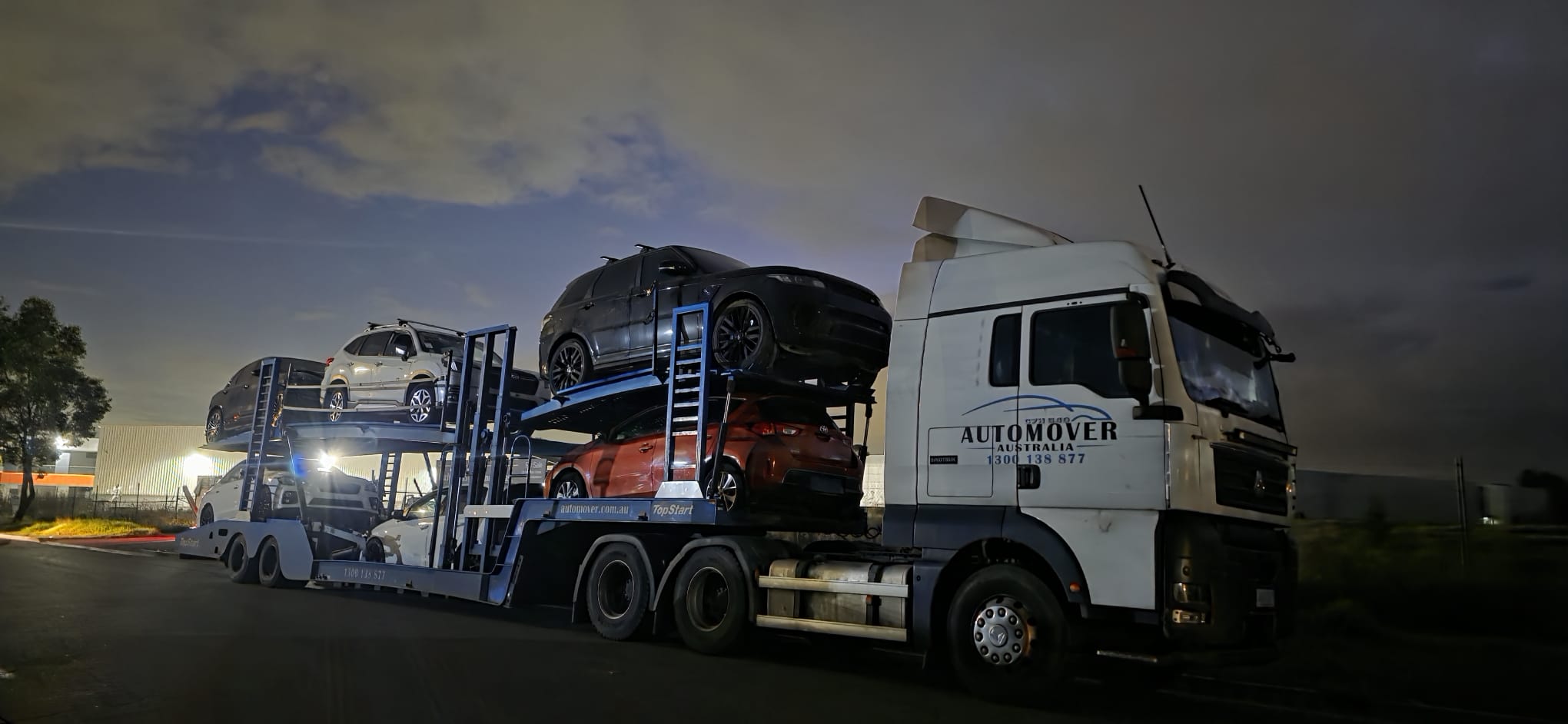
Standard car carriers aren't built to handle the weight, height or length of trucks, buses and other heavy vehicles. Depending on the vehicle, transport may involve:
- Low-loader or drop-deck trailers for oversized or overweight loads
- Tilt-tray or specialised heavy-duty car carriers for lighter commercial vehicles and vans
- Self-drive or "driveaway" transport, where a qualified driver relocates the vehicle under its own power
- Escort vehicles or permits for loads that exceed standard road dimensions
The right method depends on the vehicle's condition, size, weight and whether it's roadworthy. A ute or light commercial van, for example, is generally handled the same way as a car, while a semi-trailer or oversized truck requires purpose-built equipment. You can see how our team categorises these jobs on the trucks and vans transport page.
Types of Heavy Vehicles We Transport
Interstate heavy vehicle transport in Australia typically covers:
- Prime movers and semi-trailers
- Rigid trucks, tippers and box trucks
- Buses and coaches
- Motorhomes and campervans
- Fleet vehicles being relocated or resold
- Agricultural and earthmoving machinery (often paired with trailer transport services)
Boats and jetskis fall under a separate category with their own handling requirements — see boat and jetski transport if you're moving watercraft alongside a heavy vehicle.
Permits, Compliance and Roadworthiness
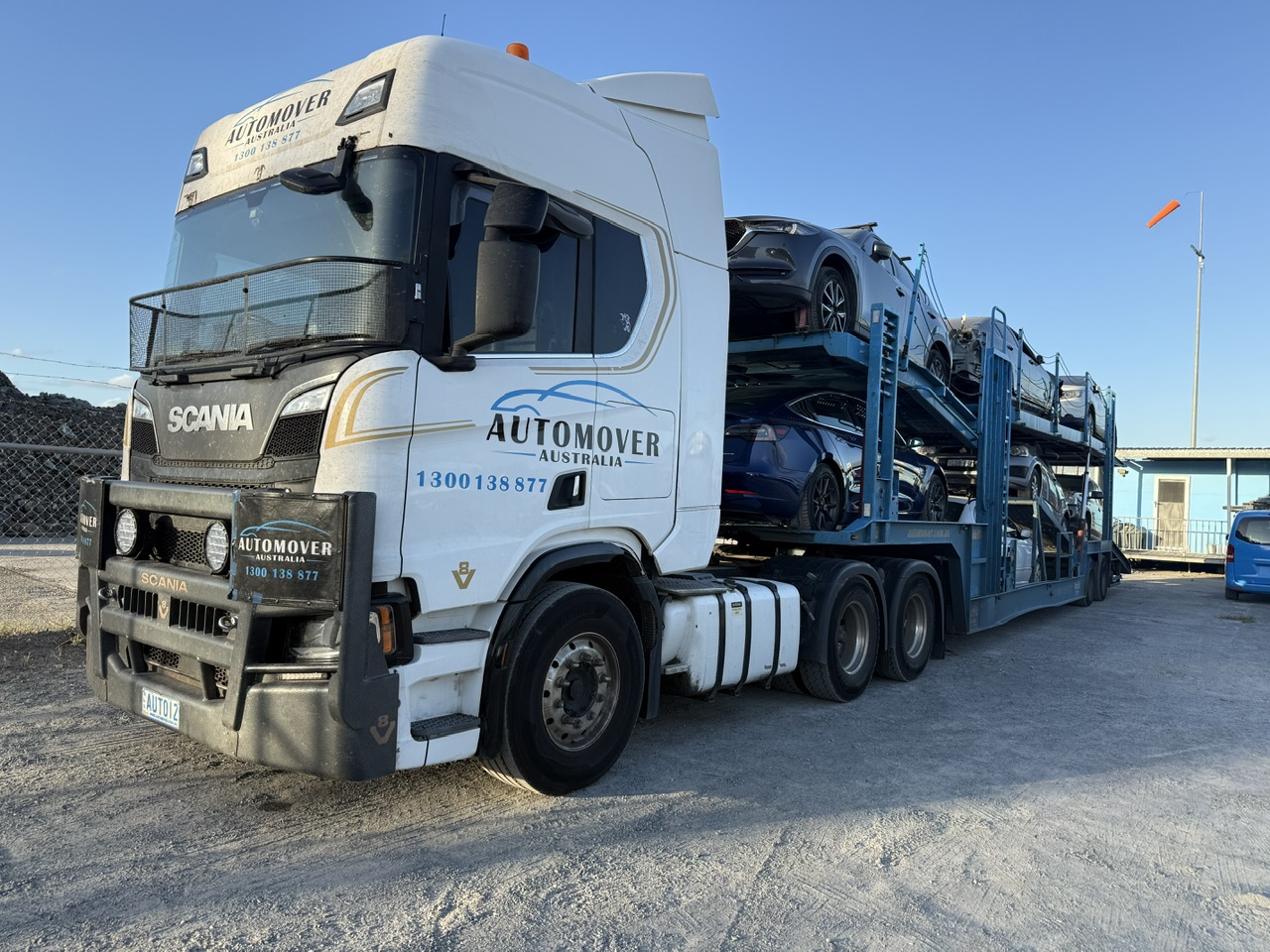
Heavy vehicle movements in Australia are regulated by the National Heavy Vehicle Regulator (NHVR) and individual state road authorities. Key considerations include:
- Dimension and mass limits: Vehicles or loads exceeding standard height, width, length or weight limits may need an oversize/overmass permit before they can travel.
- Roadworthiness: If a vehicle is being driven interstate under its own power rather than carried, it must meet registration and roadworthy requirements for the states it passes through.
- Load restraint: Heavy vehicles carried on a trailer must be secured according to the National Transport Commission's load restraint guidelines.
- Interstate registration differences: Rules can vary slightly between states, so it pays to confirm requirements with your transport provider before the vehicle is collected.
A reputable interstate carrier will handle permit arrangements and compliance checks as part of the booking process, so ask upfront what's included.
How Heavy Vehicle Transport Pricing Works
Prices vary significantly depending on the vehicle's size, weight, condition (running or non-running), pickup and delivery locations, and whether you need door-to-door or depot-to-depot service. Fuel costs also play a role, since heavy transport routes often cover long distances between capital cities and regional centres — see our fuel levy page for how this factor is calculated. Rather than relying on rough estimates, the most accurate way to understand your cost is to get an instant quote based on your specific vehicle and route.
Door-to-Door vs Depot-to-Depot
For heavy vehicles, the choice between door-to-door and depot-to-depot transport often comes down to site access:
- Door-to-door: Convenient where the pickup and delivery addresses can accommodate a large carrier or low-loader — think open yards, depots or wide driveways.
- Depot-to-depot: A practical alternative when the vehicle's location has restricted access, such as tight residential streets, low overhead clearances or narrow laneways. Dropping off or collecting at a depot near you avoids access issues altogether.
We operate depots across the country, so check our locations to see what's available near your pickup or delivery point.
Transit Times for Heavy Vehicles
Transit times for trucks and heavy vehicles depend on distance, route complexity, permit requirements and whether the load needs escort vehicles. Long-haul routes such as Perth to the east coast naturally take longer than shorter interstate runs like Sydney to Melbourne or Brisbane to Sydney. Weather, road closures and scheduling around other freight can also affect timing. For general timeframes across popular routes, our transit times page is a useful starting point, though it's always worth confirming an estimated window when you book.
Preparing a Heavy Vehicle for Interstate Transport
A little preparation helps the transport run smoothly and reduces the risk of delays:
- Provide accurate dimensions and weight, including any attachments, trays or fittings.
- Disclose whether the vehicle is running or non-running, as this affects the equipment required.
- Remove or secure loose items, tools and personal belongings from the cabin and tray.
- Photograph the vehicle's condition before collection for your own records.
- Ensure fuel levels are low but not empty, particularly for self-powered relocations.
- Confirm site access at both ends — gate widths, overhead clearance and ground surface all matter for large carriers.
- Have registration papers, keys and any relevant permits ready for the driver.
Choosing an Interstate Heavy Vehicle Transporter
Not every transport company is equipped to handle heavy vehicles safely and compliantly. When comparing providers, look for:
- Experience specifically with trucks, buses and heavy commercial vehicles, not just passenger cars
- Appropriate insurance coverage for high-value or oversized loads
- Clear communication about permits, escort requirements and expected transit windows
- A network of depots across states, useful for flexible pickup and delivery options
- A track record you can verify — Auto Mover Australia is trusted by 10,000+ happy customers for interstate vehicle and heavy transport
If you're still weighing up your options, our FAQ page answers common questions about booking, insurance and documentation, and our About us page outlines how we operate nationally.
Common Questions About Heavy Vehicle Transport
Can a non-running truck still be transported?
Yes. Non-running or damaged heavy vehicles can typically be moved using appropriate loading equipment such as winches and low-loaders, though this should be disclosed at the time of booking so the right equipment is arranged.
Do I need to be present for pickup and delivery?
For door-to-door service, someone authorised should be available to hand over keys and documentation. Depot-to-depot arrangements offer more flexibility if you can't be on-site at a specific time.
What documentation is required?
Typically registration papers, proof of ownership and any relevant permits for oversized loads. Your transport provider can confirm exactly what's needed for your vehicle and route.
Ready to move your truck, bus or heavy vehicle interstate? Get an instant quote from Auto Mover Australia today, or contact our team if you have a complex load that needs a tailored solution.