How to Transport a Ute Interstate Safely
Published 15/08/2026 · Updated 07/10/2026 · Auto Mover Australia
Utes are the backbone of many Australian households and businesses, which makes moving one interstate a bit different from shipping a standard sedan. Trays, canopies, bull bars, towbars and work gear all add extra dimensions and weight that need to be accounted for. Whether you're relocating for a new job, buying a ute from another state, or sending your work vehicle ahead of you, here's a practical guide to getting it there safely and without unnecessary stress.
Why Utes Need a Bit More Planning
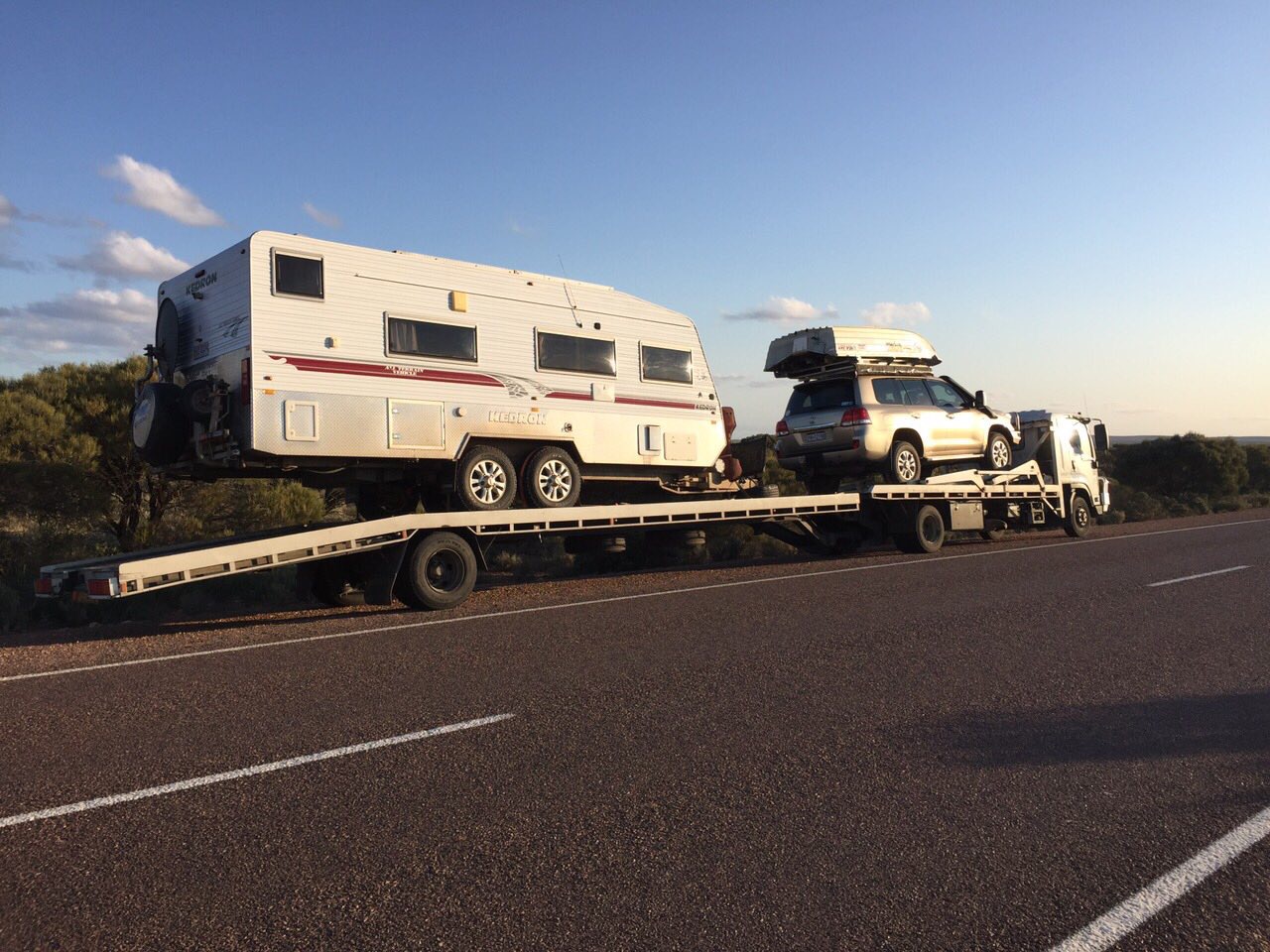
Unlike a standard passenger car, utes often carry accessories that change their height, width or ground clearance. A steel canopy, roof rack, snorkel or roll-top cover all affect how the vehicle sits on a carrier and how much clearance it needs. Before booking, it's worth measuring your ute's overall height and length with any fitted accessories, as this helps the transport company allocate the right type of carrier and avoids surprises on loading day.
If your ute has a dual cab tray, service body, or is lifted with off-road tyres, mention this when you get an instant quote so the quote reflects the correct vehicle configuration from the start.
Open Transport vs Enclosed Transport: Understanding Your Options
Most utes travel on open car carriers, which is a cost-effective and perfectly safe option for the vast majority of interstate moves. Auto Mover Australia moves all vehicles this way, using open car carriers for interstate runs. Enclosed transport is offered by some specialist operators for utes that are especially valuable, recently restored, or fitted with expensive aftermarket work such as custom paint or off-road builds, as it shields the vehicle from weather and road debris but generally costs more. You can read more about how carriers work on the car carrying page, which covers the loading process in more detail.
Depot-to-Depot vs Door-to-Door
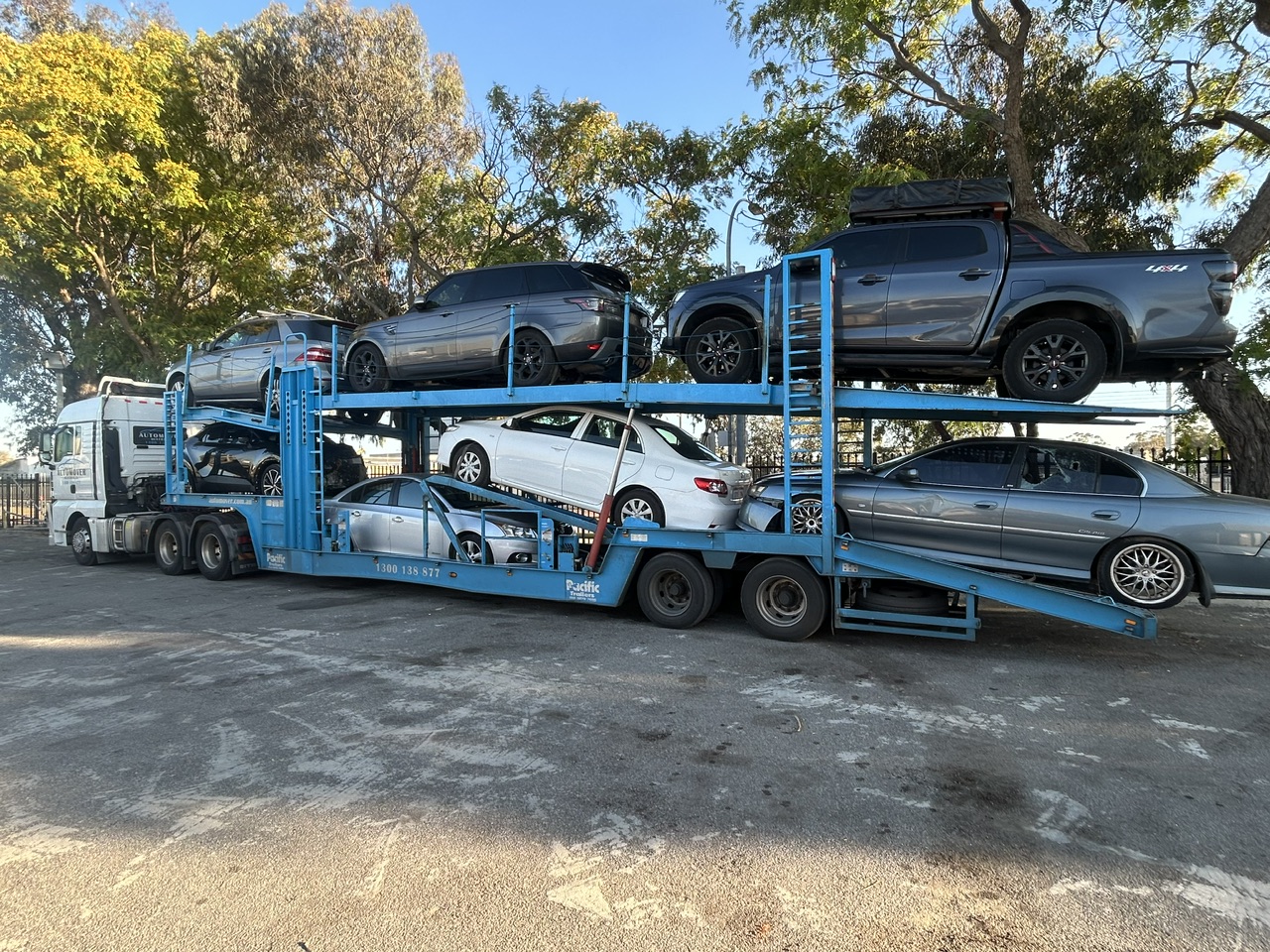
One of the first decisions to make is how the ute will be collected and delivered. Door-to-door transport means the carrier picks up from your home or workplace and drops off at the destination address, which is convenient but can involve tighter access for larger trucks. Depot-to-depot transport means you drop the ute off at a depot and collect it from another depot at the destination, which can sometimes be quicker and more flexible around scheduling. With depots in every state, most customers can choose whichever option suits their timeline and location. Check locations near you to see what's available in your area.
Preparing Your Ute for the Journey
A little preparation goes a long way toward a smooth, damage-free transport experience. Consider the following before handover day:
- Clean the vehicle inside and out so any existing scratches, dents or chips are clearly visible for the condition report.
- Remove loose items from the tray, cabin and canopy. Tools, eskies, jerry cans and personal belongings are generally not covered by transport insurance and can shift during transit.
- Secure or remove accessories such as tonneau covers, tool boxes, ladder racks and aerials that could be damaged or catch wind during loading.
- Check fluid levels and tyre pressure, and top up fuel to around a quarter tank, which is enough for loading and unloading without adding unnecessary weight.
- Disable toll tags and alarms so they don't activate unexpectedly during transport.
- Photograph the vehicle from multiple angles, including the tray, tow bar and any existing panel damage, as a personal record alongside the driver's condition report.
Documentation and Condition Reports
Before your ute is loaded, the carrier's driver will typically complete a condition report noting any existing scratches, dents or mechanical issues. Take the time to walk around the vehicle with the driver and confirm everything is recorded accurately. This report becomes the reference point at delivery, so it protects both you and the transport company if any dispute arises. Keep a copy, along with your booking confirmation and registration details, in case you need them later.
Insurance Considerations
Reputable interstate transport companies carry insurance for vehicles in transit, but coverage terms can vary between operators and vehicle types. It's worth confirming what is included, particularly for utes with aftermarket modifications, canopies, or trade equipment permanently fitted, as these may need to be declared separately. If you have any questions about coverage or the transport process generally, the FAQ page is a good starting point, or you can reach out via contact for specific queries.
Timing Your Move
Interstate transport times depend on distance, route and how many stops a carrier makes along the way. A ute travelling from Sydney to Perth, for example, will naturally take longer than one moving between Melbourne and Adelaide. Seasonal demand, school holidays and long weekends can also affect scheduling. If your move date is flexible, booking a little in advance generally gives you more options for pickup windows. For a realistic idea of how long your specific route might take, see the transit times guide before locking in a date.
Understanding the Full Cost Picture
Prices for interstate ute transport vary depending on distance, vehicle size, accessories, and whether you choose door-to-door or depot-to-depot service. Fuel costs also play a role, and many operators apply a fuel levy that reflects current fuel prices at the time of transport. Rather than guessing at costs, the most accurate way to understand what your move will cost is to get an instant quote based on your ute's exact specifications and route.
What About Towing Trailers or Carrying Extra Gear?
If your ute normally tows a trailer, caravan or boat, these generally need to be transported separately rather than attached during the journey, since carriers load vehicles individually onto the transport deck. If you're relocating a trailer alongside your ute, take a look at trailer transport options, and if a boat or jet ski is part of the move, the boats and jet ski page outlines how those are handled separately. For larger commercial utes, service bodies or light trucks, the trucks and vans page covers requirements specific to heavier vehicles.
Choosing a Reliable Transport Company
When comparing providers, look for a company that is transparent about pricing, provides clear condition reporting, and has depots conveniently located near your pickup and delivery points. Reading about a company's about page and general track record can also give you confidence, particularly if they are trusted by 10,000+ happy customers across Australia. A company with national depot coverage and straightforward online booking tends to make the whole process considerably smoother, especially if you're coordinating a move alongside other logistics like packing up a house or starting a new job.
Frequently asked questions
Can I leave my tool boxes and gear in the tray when my ute gets transported?
It's best not to. Loose items like tools, eskies, jerry cans and personal belongings generally aren't covered by transport insurance and can shift during transit, so they should be removed before handover.
Does my ute need enclosed transport if it has a canopy or bull bar fitted?
Not necessarily. Most utes travel safely on open car carriers, and enclosed transport is really only used by some specialist operators for especially valuable, recently restored or heavily customised vehicles.
What's the difference between door-to-door and depot-to-depot for a ute?
Door-to-door means the carrier picks up and delivers at your home or workplace, which is convenient but can be tricky for larger trucks with tight access. Depot-to-depot means you drop off and collect the ute at depots instead, which can sometimes be quicker and more flexible around scheduling.
How long does it take to transport a ute interstate?
It depends on the distance, route and how many stops the carrier makes along the way, so a longer route like Sydney to Perth will naturally take more time than a shorter one like Melbourne to Adelaide. Booking in advance if your dates are flexible generally gives you more options.
Can I tow my trailer or boat behind the ute while it's being transported?
No, trailers, caravans and boats generally need to be transported separately since carriers load vehicles individually onto the transport deck.
Will my ute's modifications and accessories be covered by insurance during transport?
Coverage can vary between operators and vehicle types, so it's worth confirming what's included, especially for utes with aftermarket modifications, canopies or permanently fitted trade equipment, as these may need to be declared separately.
Final Checklist Before Handover
- Confirm your pickup and delivery locations, and whether it's door-to-door or depot-to-depot.
- Remove all personal items and loose accessories from the tray and cabin.
- Photograph the vehicle and keep a copy of the condition report.
- Check fuel level, tyre pressure and fluids.
- Confirm insurance coverage for any fitted accessories or modifications.
- Keep your booking confirmation and contact details handy for the journey.
Transporting a ute interstate doesn't need to be complicated when you prepare properly and choose a transport company that understands the specifics of tray-backs, canopies and work vehicles. Taking the time to document your vehicle's condition, remove loose gear, and clarify pickup and delivery details will help ensure your ute arrives safely and on schedule, ready for whatever comes next.
Ready to move your ute interstate? Get an instant quote today and see how straightforward safe, reliable transport can be.