Does Vehicle Size Matter? Sedan vs SUV vs 4WD Interstate Transport Costs Compared
Published 22/09/2026 · Updated 07/10/2026 · Auto Mover Australia
If you've ever compared quotes for moving a small hatchback versus a full-size 4WD interstate, you've probably noticed the numbers aren't the same. Vehicle size genuinely does matter when it comes to interstate transport, but it's not the only factor — and understanding why can help you budget accurately and avoid surprises. This guide breaks down how sedans, SUVs and 4WDs are typically assessed for transport, and what really drives the final price.
Why Vehicle Size Affects Transport Pricing
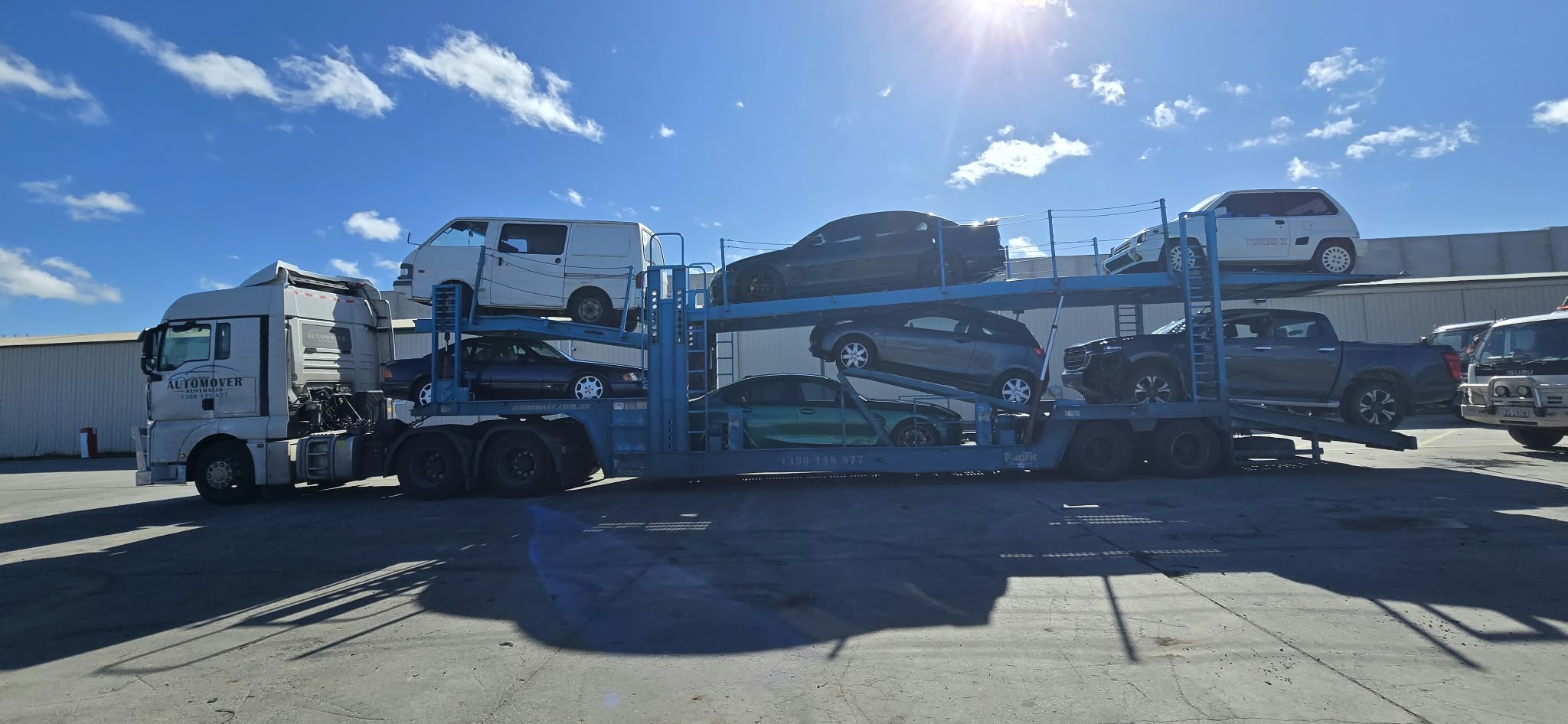
Car carriers are essentially multi-level trailers with limited deck space and strict weight and height allowances. Every vehicle loaded onto a carrier takes up a portion of that available space. A compact sedan is narrow, low and light, so several can often be stacked efficiently across upper and lower decks. A large 4WD or dual-cab ute, on the other hand, is taller, wider and heavier, which means it may take up more deck length, restrict what can be loaded above or below it, and add more weight to the total load.
Because transport operators are essentially selling space and payload capacity on each truck run, larger and heavier vehicles naturally cost more to move than smaller ones. This is true across the industry, not just for one operator, and it's why you'll rarely see a flat, one-size-fits-all price for interstate vehicle transport.
Sedans: Generally the Most Cost-Effective to Move
Small and medium sedans are usually the easiest vehicles to transport. They're compact, lightweight, and their lower height means they can often be positioned on either deck of a carrier without issue. If you're transporting a standard passenger car, you'll typically find this is the most budget-friendly category, all else being equal.
- Lower overall weight reduces load restrictions on the carrier
- Compact dimensions make loading and positioning straightforward
- Standard ground clearance rarely causes issues during loading or unloading
SUVs: A Step Up in Size and Sometimes Cost
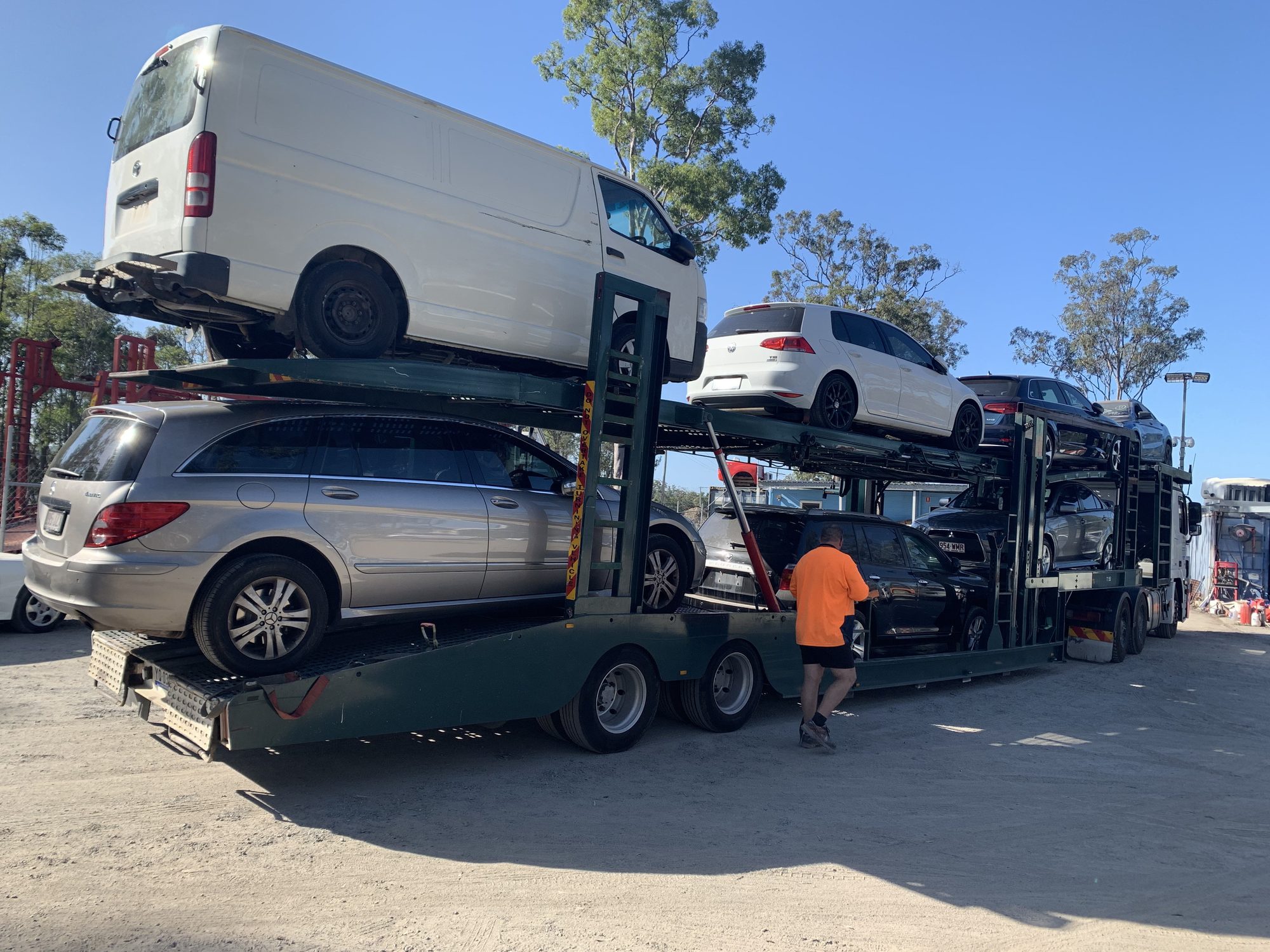
SUVs sit in the middle of the size spectrum, and pricing can vary quite a bit depending on the specific model. A compact SUV isn't dramatically different from a large sedan in terms of transport requirements, but a full-size seven-seat SUV starts to approach the dimensions and weight of a small 4WD.
Height is often the key consideration here. Many SUVs sit higher than sedans, which can affect how they're positioned on a carrier, particularly if the vehicle needs to go on a lower deck with limited clearance. Weight also plays a role, especially with larger family SUVs that carry more mass than their sedan counterparts.
- Mid-size SUVs are often priced closer to sedans than to 4WDs
- Large or seven-seat SUVs may attract pricing closer to the 4WD category
- Roof racks, bull bars or aftermarket accessories can affect height and loading
4WDs and Utes: Typically the Highest Cost Category
Four-wheel drives, dual-cab utes and larger wagons are generally the most expensive standard passenger vehicles to transport interstate. They tend to be heavier, taller, and often longer than sedans or SUVs, which reduces the flexibility carriers have when loading a truck. A lifted 4WD with a bull bar, snorkel or roof-mounted equipment can further complicate loading and may need to be measured carefully before transport is booked.
- Higher weight limits the number of vehicles that fit on a single carrier
- Increased height may require specific deck positioning
- Modifications such as bull bars, winches or roof racks should always be disclosed upfront
If your 4WD has been modified in any way, it's worth mentioning this when you get an instant quote so the quote reflects the vehicle's true dimensions and weight.
It's Not Just About Size — Other Factors That Influence Price
While vehicle category is a major driver of cost, several other factors combine to determine the final price of your interstate transport:
- Distance and route: Transport between major capital cities on well-serviced routes is often more efficient than remote or regional destinations. Check our locations page to see depot coverage across Australia.
- Door-to-door vs depot-to-depot: Door-to-door delivery adds convenience but may cost more than dropping off and collecting at a depot.
- Transit timing: Standard scheduling versus priority or express options can affect pricing. See typical transit times for various routes.
- Fuel costs: Like most freight and logistics services, a fuel levy may apply and can fluctuate with market fuel prices.
- Vehicle condition: Non-running vehicles typically require additional handling equipment, which can increase cost compared with a vehicle that drives on and off under its own power.
- Insurance and value: Higher-value vehicles may involve different insurance considerations during transport.
Because so many variables are involved, prices vary from booking to booking — there's no universal rate card that applies to every sedan, SUV or 4WD. The most accurate way to understand your cost is to get an instant quote tailored to your specific vehicle and route.
Comparing Costs: What to Expect in Relative Terms
While we can't quote exact prices here, it's useful to understand the general pattern across vehicle types:
- Sedans and hatchbacks — typically the most economical due to lower weight and compact dimensions.
- Mid-size SUVs — usually a modest step up from sedans, depending on height and weight.
- Large SUVs and 4WDs — generally the highest cost among standard passenger vehicles, reflecting their size, weight and any modifications.
- Utes and dual-cabs — pricing depends heavily on tray length and overall vehicle length, particularly for extended or long-wheelbase models.
Keep in mind this is a general guide only. The best way to confirm where your vehicle sits is to submit its make, model and any modifications through our quote system.
Beyond Cars: Trucks, Trailers and Boats
If you're transporting something other than a standard car or SUV, sizing considerations become even more important. Larger commercial vehicles, vans and trucks require specialised handling — learn more on our trucks and vans transport page. If you're moving a caravan, trailer or camper, visit our trailer transport page for details specific to towable loads. And if a boat or jet ski is part of your move, check out boat and jet ski transport for guidance on how these are priced and handled.
Tips to Get an Accurate Quote Regardless of Vehicle Size
- Provide accurate make, model and variant details, including tray or boot length for utes
- Disclose any modifications such as bull bars, roof racks, lift kits or towbars
- Confirm whether the vehicle is in running condition
- Choose between door-to-door and depot-to-depot based on your convenience versus cost preferences
- Book ahead where possible, especially during peak relocation periods
For general questions about how the process works, our FAQ page covers common queries from customers across the country. You can also learn more about our approach to car carrying and the equipment used to transport different vehicle types safely.
Frequently asked questions
Does it cost more to send a 4WD interstate than a sedan?
Generally yes. 4WDs, dual-cab utes and larger wagons tend to be heavier, taller and longer, which reduces how efficiently they can be loaded onto a carrier, so they typically sit in the highest cost category compared with sedans.
Are SUVs charged the same as sedans for interstate transport?
It depends on the SUV. Mid-size SUVs are often priced closer to sedans, while large or seven-seat SUVs can approach the size and weight of a small 4WD and may be priced closer to that category.
Will a bull bar or roof rack change my quote?
Yes, modifications like bull bars, roof racks, lift kits or towbars can affect a vehicle's height and weight, so these should always be disclosed when getting a quote so it reflects the vehicle's true dimensions.
Can I choose depot-to-depot instead of door-to-door delivery?
Yes, you can choose between the two options. Door-to-door delivery adds convenience but may cost more than dropping off and collecting your vehicle at a depot.
Does it cost more to transport a car that doesn't drive?
Non-running vehicles typically need additional handling equipment to load and unload, which can increase the cost compared with a vehicle that can drive on and off under its own power.
What details do I need to provide to get an accurate price?
You should provide the vehicle's make, model and variant, including tray or boot length for utes, disclose any modifications, and confirm whether it's in running condition, as these all affect the final price.
Why Choose Auto Mover Australia
With depots in every state and a network built specifically for interstate vehicle relocation, Auto Mover Australia is trusted by 10,000+ happy customers for reliable, straightforward vehicle transport — whether you're moving a compact sedan, a family SUV or a heavy-duty 4WD. Learn more about our company or reach out via our contact page if you have questions before booking.
Ready to see what your vehicle will cost to move interstate? Get an instant quote today and get an accurate, no-obligation price based on your exact vehicle and route.