Relocating for Work or a FIFO Job? Your Guide to Moving Vehicles Interstate
Published 04/09/2026 · Updated 07/10/2026 · Auto Mover Australia
Taking a new job interstate, or starting a fly-in fly-out (FIFO) roster, is exciting — but it usually comes with a logistical headache: what do you do with your car, ute or boat? Whether you're relocating permanently to a new state or simply need your vehicle waiting for you at a mine site or regional hub between swings, getting your wheels there safely and on time matters just as much as sorting your flights and accommodation.
This guide covers the practical side of moving a vehicle interstate for work, so you can focus on settling into the new job rather than worrying about logistics.
Why work relocations often mean vehicle transport
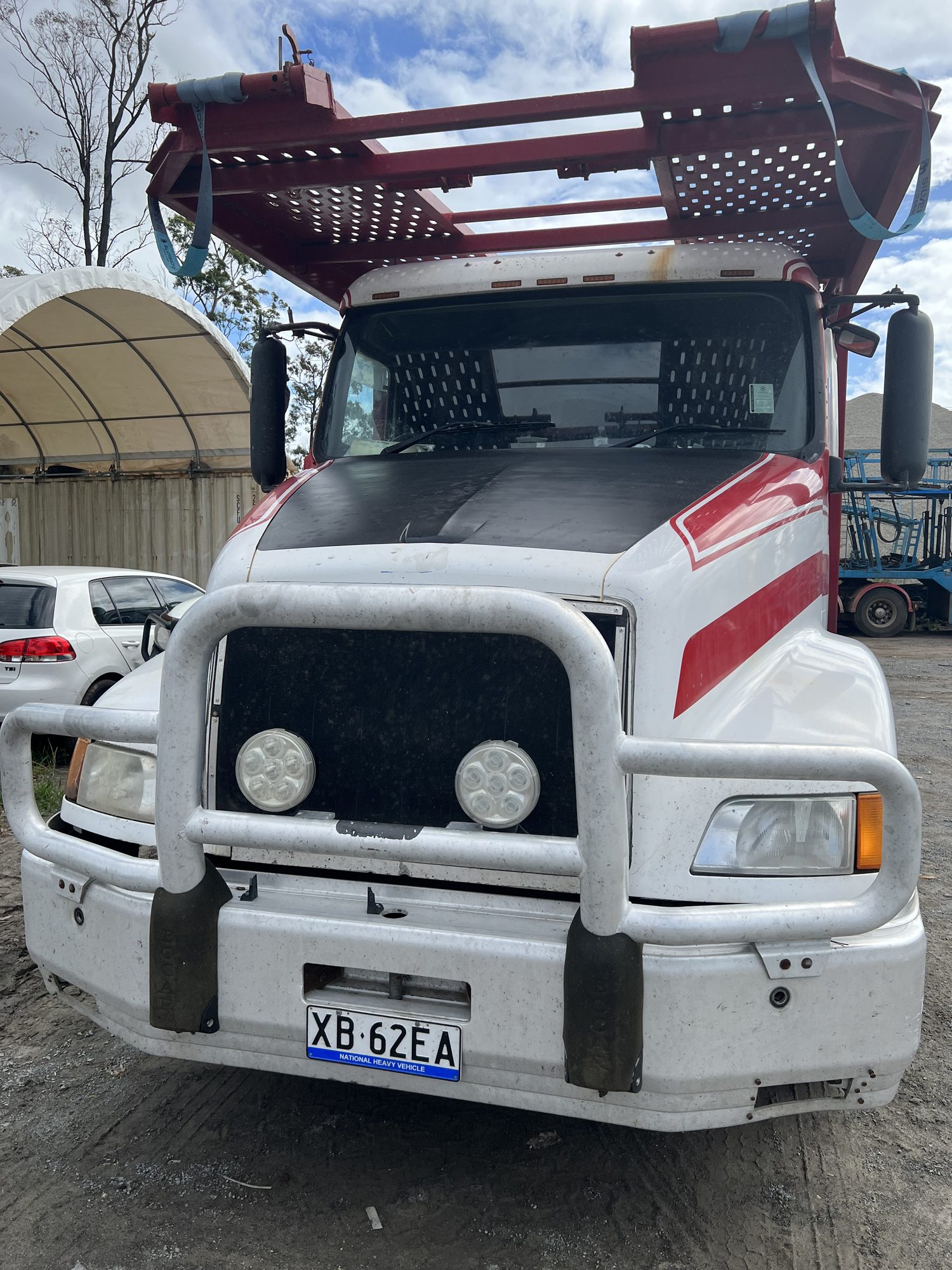
Driving your own vehicle across the country sounds simple until you factor in the time off work, fuel, wear and tear, and the fact that many FIFO workers don't actually want a car sitting idle at an airport for weeks at a time. Professional vehicle transport solves this by having your car, SUV, ute or even a boat or caravan carried on a purpose-built carrier, while you fly to your new posting or head straight into your roster.
It's especially common for:
- Mining and resources workers relocating to Western Australia, Queensland or the Northern Territory
- Tradies and professionals accepting contracts in a different state
- Families relocating for a partner's job transfer
- FIFO workers who need a second vehicle at their home base and another near the airport or worksite
Door-to-door or depot-to-depot: which suits FIFO life?
One of the first decisions is how you want your vehicle picked up and delivered. Door-to-door transport means the carrier collects your car from your home or workplace and delivers it directly to your new address — convenient if you're time-poor before a swing starts.
Depot-to-depot is often the better fit for FIFO workers with tighter schedules or budgets, since you drop off and collect from a depot near you. With depots in every state, it's usually easy to find one close to your departure airport or new home base, and it can work out more flexible around roster changes.
Planning around your roster
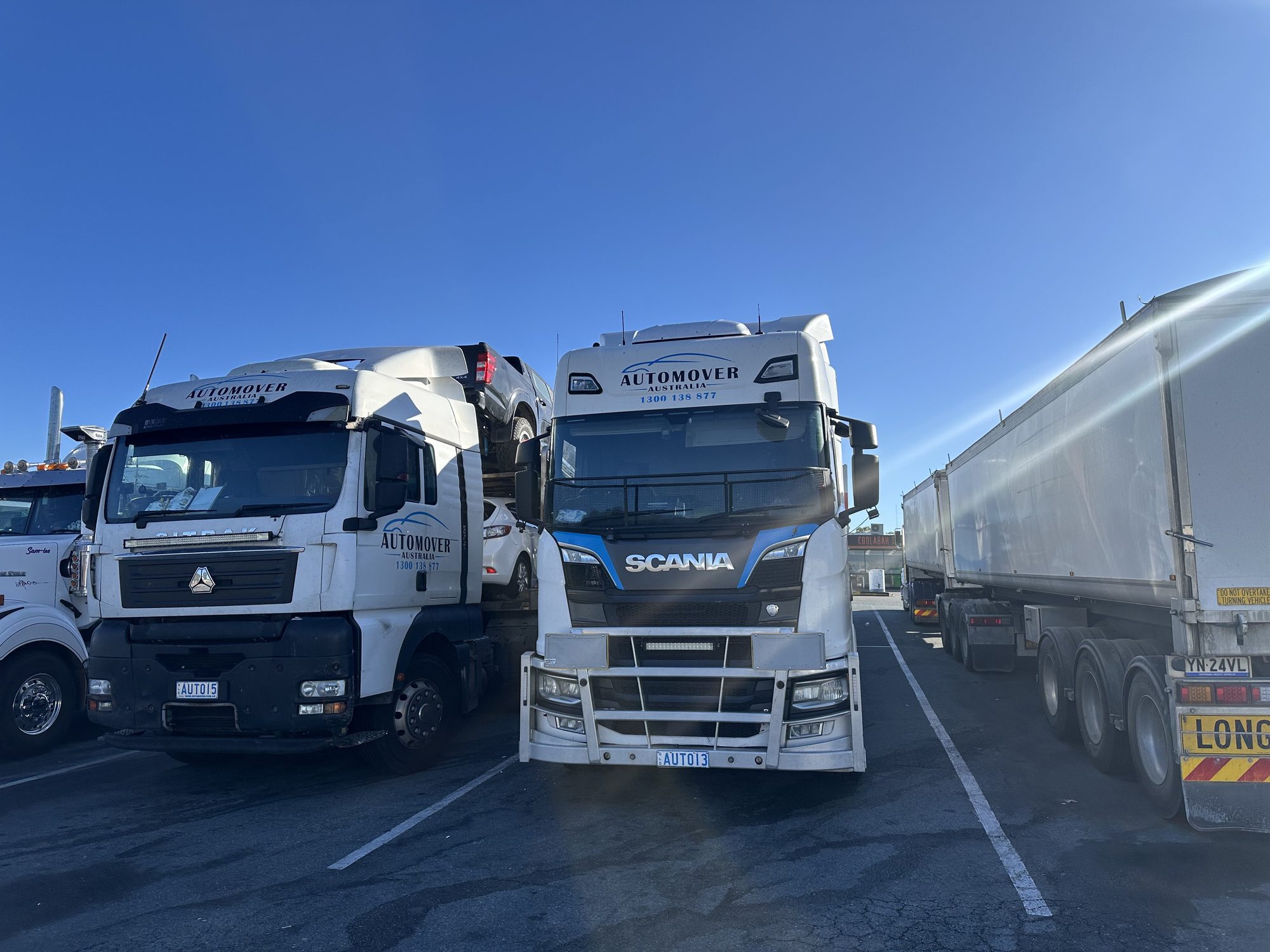
FIFO schedules don't leave much room for error, so timing your vehicle transport properly is essential.
Book ahead of your swing
Interstate transport isn't instant — carriers plan routes and consolidate loads, so booking a week or more ahead of when you need your vehicle moved gives you the best chance of a smooth, on-time delivery. Check estimated transit times for your route before you lock in flights or accommodation.
Build in a buffer
Weather, road closures and vehicle consolidation can all affect delivery windows. If your vehicle absolutely needs to be at the other end by a certain date, build a few days' buffer rather than cutting it fine.
Consider recurring transport
Some FIFO workers move a vehicle back and forth between two states depending on where they're needed. If this applies to you, it's worth asking about repeat booking arrangements so the process becomes routine rather than a scramble every swing.
What can be transported
Work relocations aren't always just about a single car. Depending on your situation, you might need to move:
- A daily driver or family car — see car carrying options
- A work ute, van or light truck via truck and van transport
- A boat or jet ski if you're relocating to a coastal posting — boat and jet ski transport
- A trailer, caravan or camper if you're setting up a new base — trailer and caravan transport
Most reputable interstate transport companies can handle all of these under one booking, which is handy if you're relocating an entire household along with your vehicles.
Preparing your vehicle before the carrier arrives
A little preparation goes a long way toward a hassle-free handover, especially if you're rushing to catch a flight for your first swing. Before your vehicle is collected:
- Remove personal belongings and valuables from inside the car
- Leave roughly a quarter tank of fuel — enough for loading and unloading, not more
- Take clear photos of the vehicle's condition from all angles
- Disable or inform the carrier of any active alarm systems
- Make sure registration and any required paperwork is current, particularly if you're moving states permanently and will need to re-register
If you're unsure about any part of the process, the FAQ page covers common questions about insurance, condition reports and what happens if your plans change.
Understanding costs
Costs for interstate vehicle transport vary depending on the type of vehicle, the distance, current fuel prices and whether you choose door-to-door or depot-to-depot service. Rather than guessing, it's best to check current fuel levy information and then get an instant quote tailored to your exact route and vehicle. Quotes are free and only take a few minutes, which is handy when you're juggling job offers, flights and accommodation all at once.
Choosing a transport provider you can rely on
When your job depends on having a reliable vehicle at your new location, it pays to use a transport company with a proven track record. Look for a provider that:
- Operates depots across the country, not just on the east coast
- Offers clear transit time estimates so you can plan your roster around them
- Has straightforward insurance and condition reporting processes
- Is transparent about pricing rather than adding surprise fees later
Auto Mover Australia is trusted by 10,000+ happy customers for interstate vehicle relocations, including many FIFO and work-relocation moves. You can read more about how the process works on the About page, or reach out via Contact if you have questions specific to your situation before booking.
Final tips for a smooth work relocation
- Book your vehicle transport as early as your plans allow
- Choose depot-to-depot if your schedule is tight around flights
- Confirm transit times before finalising your start date
- Keep photo evidence of your vehicle's condition before pickup
- Ask about recurring bookings if you'll be moving vehicles regularly for future swings
For more relocation tips and transport guides, browse the Auto Mover Australia blog.
Frequently asked questions
How far in advance should I book vehicle transport before my FIFO swing?
It's best to book at least a week or more ahead of when you need your vehicle moved, since carriers plan routes and consolidate loads. This gives you the best chance of a smooth, on-time delivery before your swing starts.
What's the difference between door-to-door and depot-to-depot transport?
Door-to-door means the carrier picks up your vehicle from your home or workplace and delivers it straight to your new address, which suits time-poor workers. Depot-to-depot means you drop off and collect from a depot near you, which often works out more flexible around roster changes and tighter budgets.
Can I transport a boat, caravan or ute as well as my car?
Yes, most reputable interstate transport companies can handle cars, utes, vans, light trucks, boats, jet skis, trailers and caravans, often under one booking. This is handy if you're relocating an entire household along with your vehicles.
How much fuel should be in my car when it's picked up?
Leave roughly a quarter tank of fuel in your vehicle before the carrier arrives, which is enough for loading and unloading but not more than necessary.
Should I take photos of my car before the carrier picks it up?
Yes, it's recommended to take clear photos of your vehicle's condition from all angles before handover. This creates a record in case you need to refer back to it later, alongside informing the carrier of any active alarm systems.
Can I set up recurring vehicle transport if I move between states regularly for work?
Yes, if you move a vehicle back and forth between two states for your roster, it's worth asking about repeat booking arrangements. This can turn the process into a routine rather than a scramble every swing.
Ready to move your vehicle for your new job?
Whether you're relocating for a permanent role or gearing up for your first FIFO swing, sorting your vehicle transport early takes one big worry off your plate. Get an instant quote today and see how simple interstate vehicle transport can be.