Can You Leave Personal Belongings in a Car During Transport?
Published 15/08/2026 · Updated 07/10/2026 · Auto Mover Australia
If you're relocating interstate or sending a vehicle to a new owner, it's natural to wonder whether you can save yourself a trip to the post office or removalist by simply packing your belongings into the car before it's collected. It's a common question, and the answer is a little more nuanced than a simple yes or no.
This guide explains what's generally acceptable, what carriers avoid, and how to pack smart so your move goes smoothly.
The Short Answer
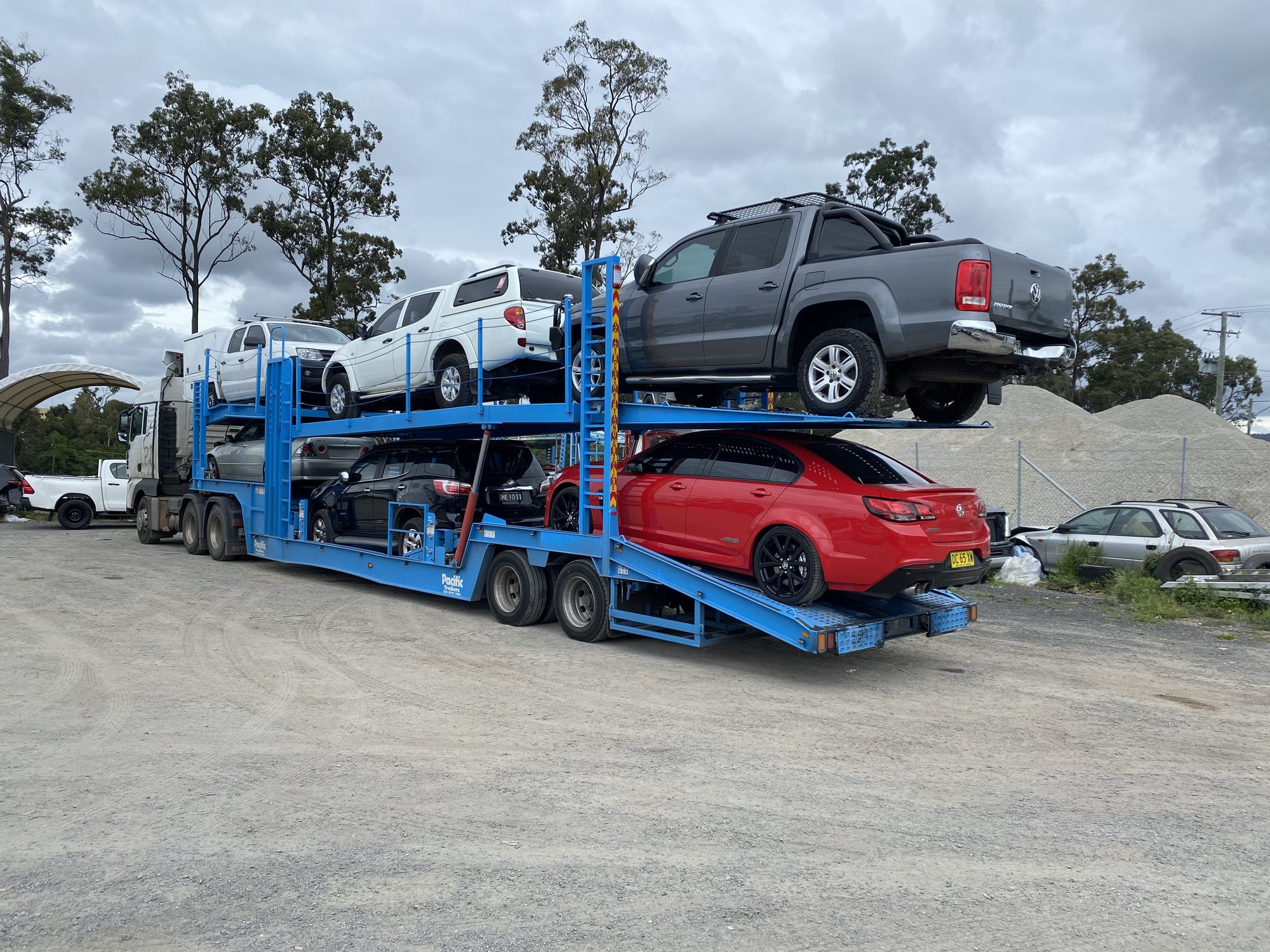
Most car transport companies in Australia, including Auto Mover Australia, allow a limited amount of personal items to be left in the vehicle, but it's not something we actively encourage for every load. Carriers are licensed and insured to transport vehicles, not household contents, so anything left inside is generally not covered by transit insurance in the same way the car itself is.
Before you pack anything, it's always worth checking with your provider directly or reviewing the details on our FAQ page, as policies can vary depending on the type of vehicle, the carrier used, and whether you've chosen door-to-door or depot-to-depot service.
Why Carriers Are Cautious About Loose Items
Weight and Safety Considerations
Car carriers are designed to transport vehicles at a specific weight. Multi-car transporters carry several vehicles stacked closely together, and every kilogram matters for safe loading, balance and compliance with road transport regulations. A boot full of boxes, furniture or appliances adds unplanned weight and can shift during transit, which is a genuine safety concern for the driver and other vehicles on the carrier.
Insurance Gaps
Transit insurance policies are written to cover the vehicle itself, not the contents inside it. If personal items are damaged, lost or go missing during transport, there's typically no cover for them, and you may have little recourse. This is one of the most important reasons to keep loose belongings to a minimum.
Security at Depots
With depots in every state, vehicles often pass through secure holding yards during depot-to-depot transport. While these facilities are supervised, visible valuables left in a car are simply an unnecessary risk, whether that's a laptop on the back seat or loose cash in the console.
What's Generally Okay to Leave in the Car
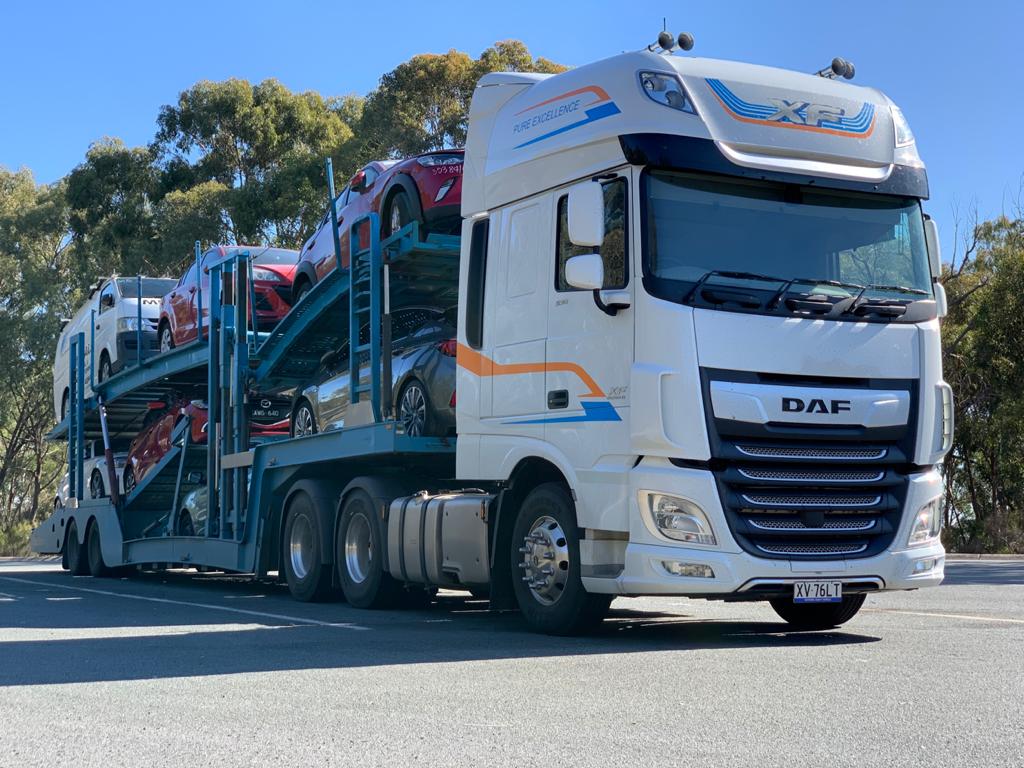
Most carriers are reasonable about small, secured items that won't move around or add meaningful weight. This commonly includes:
- A spare tyre, jack and factory toolkit
- Car seat covers, sunshades or floor mats
- A small, securely stored box in the boot (check weight limits with your carrier first)
- Child car seats or boosters fitted correctly (though it's often better to remove and pack these separately)
If you're transporting a caravan, trailer or boat rather than a car, the rules can differ again. Loose items inside a caravan or on a boat being transported can shift significantly during transit, so it's worth discussing your specific load with the team before drop-off.
What You Should Never Leave in the Car
- Valuables: jewellery, cash, electronics, laptops or important documents
- Loose or heavy items: furniture, appliances, boxes of books or tools that aren't secured
- Perishables: food or anything that can spoil, attract pests or leak
- Flammable or hazardous materials: fuel containers, gas bottles, aerosols, batteries or chemicals
- Anything irreplaceable: sentimental items, family photos or heirlooms are best carried with you
Hazardous materials in particular are a serious issue. Transport regulations prohibit dangerous goods from being carried on car carriers, and a vehicle found with these items may be refused for transport entirely, causing delays to your transit time.
Tips for Packing Smart Before Transport
- Remove valuables and documents. Take anything expensive, sentimental or important with you, or send it separately.
- Keep loose items to a minimum. If you do leave something in the boot, make sure it's lightweight, secured and won't roll around.
- Empty the glovebox and console. These are the first places people forget about, and often where small valuables end up.
- Check with your carrier about weight allowances. Some providers have a general guideline (such as items sitting below window level), so ask before you load anything.
- Take photos of the interior. This gives you a clear record of the vehicle's condition and any items left inside before it's collected.
- Remove toll tags and parking permits. These can rack up charges or need cancelling before the vehicle changes states or hands.
Different Rules for Different Vehicle Types
The answer can shift slightly depending on what's being transported:
- Cars and SUVs: Standard guidelines above generally apply. See our car carrying service for more detail on how vehicles are loaded and secured.
- Trucks and vans: Commercial vehicles may have tools, equipment or stock on board. Speak with our team about what's covered when arranging truck and van transport.
- Boats and jet skis: Loose gear, life jackets and covers should be secured or removed, as movement during transit can cause damage.
- Trailers and caravans: Contents inside a caravan can shift considerably over long distances, so it's worth reviewing our trailer transport guidance beforehand.
Door-to-Door vs Depot-to-Depot: Does It Change Anything?
Whether you choose door-to-door delivery or drop your vehicle at one of our depots, the same general principles apply. Depot-to-depot transport may involve a period of storage before loading, so it's sensible to minimise what's left inside the vehicle regardless of which service you choose.
Questions About Your Specific Move?
Every vehicle and every move is a little different, and if you have a specific concern, whether it's a locked toolbox in a ute tray or dive gear in a boat, it's always best to ask before booking. Our FAQ page covers many common questions, and our team is available via our contact page for anything more specific. You can also read more about how we operate on our About page, and we're proud to be trusted by 10,000+ happy customers for interstate vehicle transport across the country.
Frequently asked questions
Can I leave stuff in my car when it's being transported interstate?
Most carriers, including Auto Mover Australia, allow a limited amount of small, secured personal items, but it's not actively encouraged for every load. It's best to check with your provider directly before packing anything in.
Will my stuff be covered by insurance if it gets damaged or goes missing?
No, transit insurance policies are written to cover the vehicle itself, not the contents inside it. If personal items are lost or damaged during transport, there's typically no cover and little recourse.
What am I not allowed to put in the car before transport?
You should never leave valuables like jewellery, cash, electronics or documents, loose or heavy items such as furniture or boxes, perishables, or anything flammable or hazardous like fuel, gas bottles or chemicals. Sentimental or irreplaceable items are best carried with you instead.
Does it make a difference if I choose door-to-door or depot-to-depot transport?
The same general principles apply either way. Depot-to-depot transport may involve a period of storage before loading, so it's sensible to minimise what's left inside the vehicle regardless of which service you pick.
Are the rules different for a caravan, boat or trailer?
Yes, loose items inside a caravan or on a boat can shift significantly during transit, so it's worth discussing your specific load with the team before drop-off. It's a good idea to check the relevant transport guidance for your vehicle type beforehand.
What happens if hazardous items are found in the vehicle?
Transport regulations prohibit dangerous goods like fuel, gas bottles, aerosols, batteries or chemicals from being carried on car carriers. A vehicle found with these items may be refused for transport entirely, which can delay your transit time.
The Bottom Line
A few lightweight, secured items are usually fine to leave in your car, but valuables, hazardous materials and anything heavy or loose should always travel with you or be sent another way. Being upfront with your carrier about what's inside the vehicle helps avoid delays, keeps everyone safe, and protects you from the disappointment of a damaged or missing item that insurance simply won't cover.
Ready to book your interstate transport? Get an instant quote today and find out how easy moving your vehicle can be.