Open vs Enclosed Car Transport in Australia: Costs, Pros and When Each Makes Sense
Published 20/08/2026 · Updated 07/10/2026 · Auto Mover Australia
If you're arranging interstate vehicle transport for the first time, one of the first decisions you'll face is whether to choose open or enclosed transport. Both methods safely move thousands of vehicles across Australia every year, but they suit different needs, budgets and vehicle types. This guide breaks down how each option works, what affects pricing, and how to decide which is right for your car, SUV, or other vehicle.
What Is Open Car Transport?
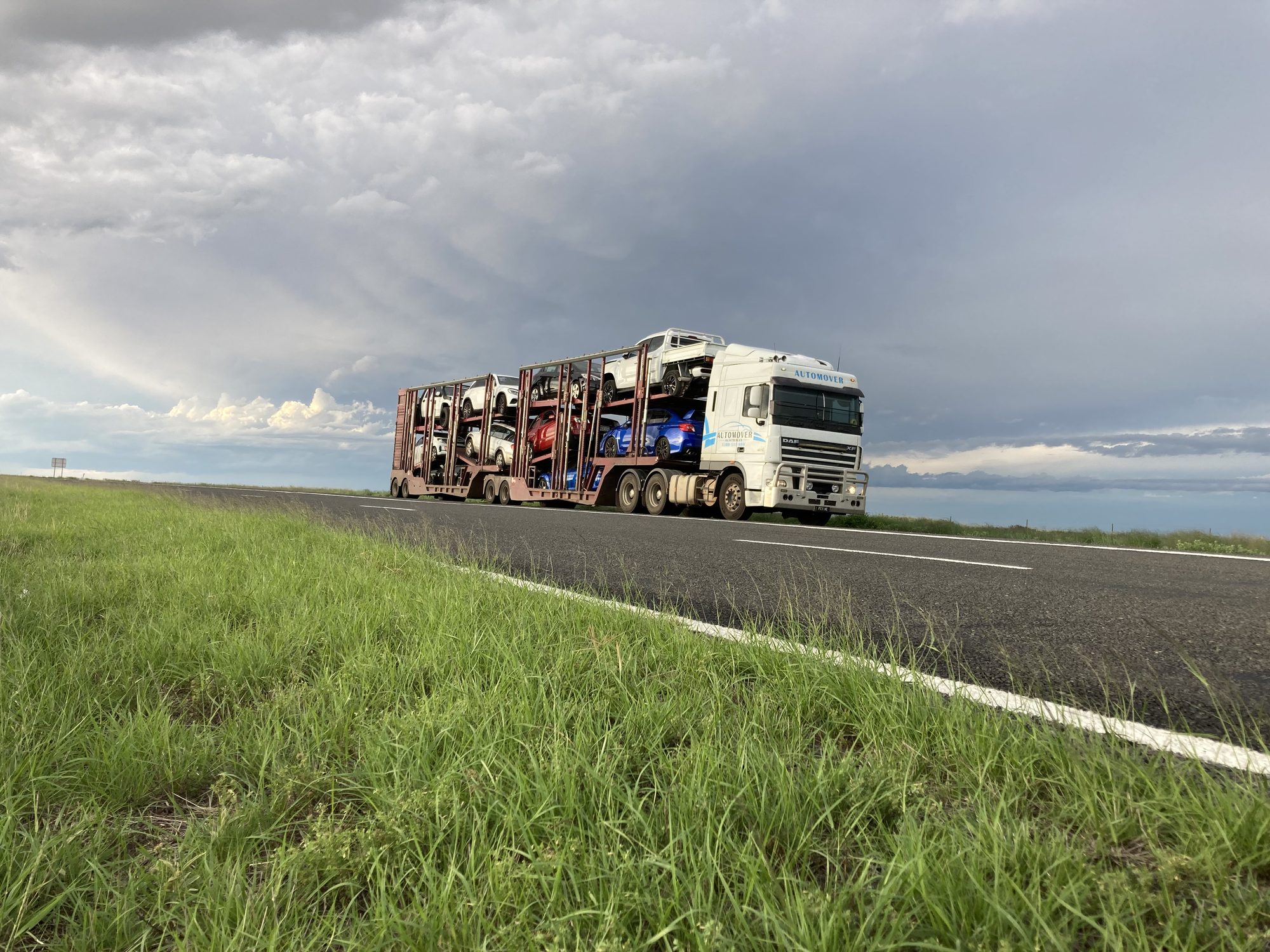
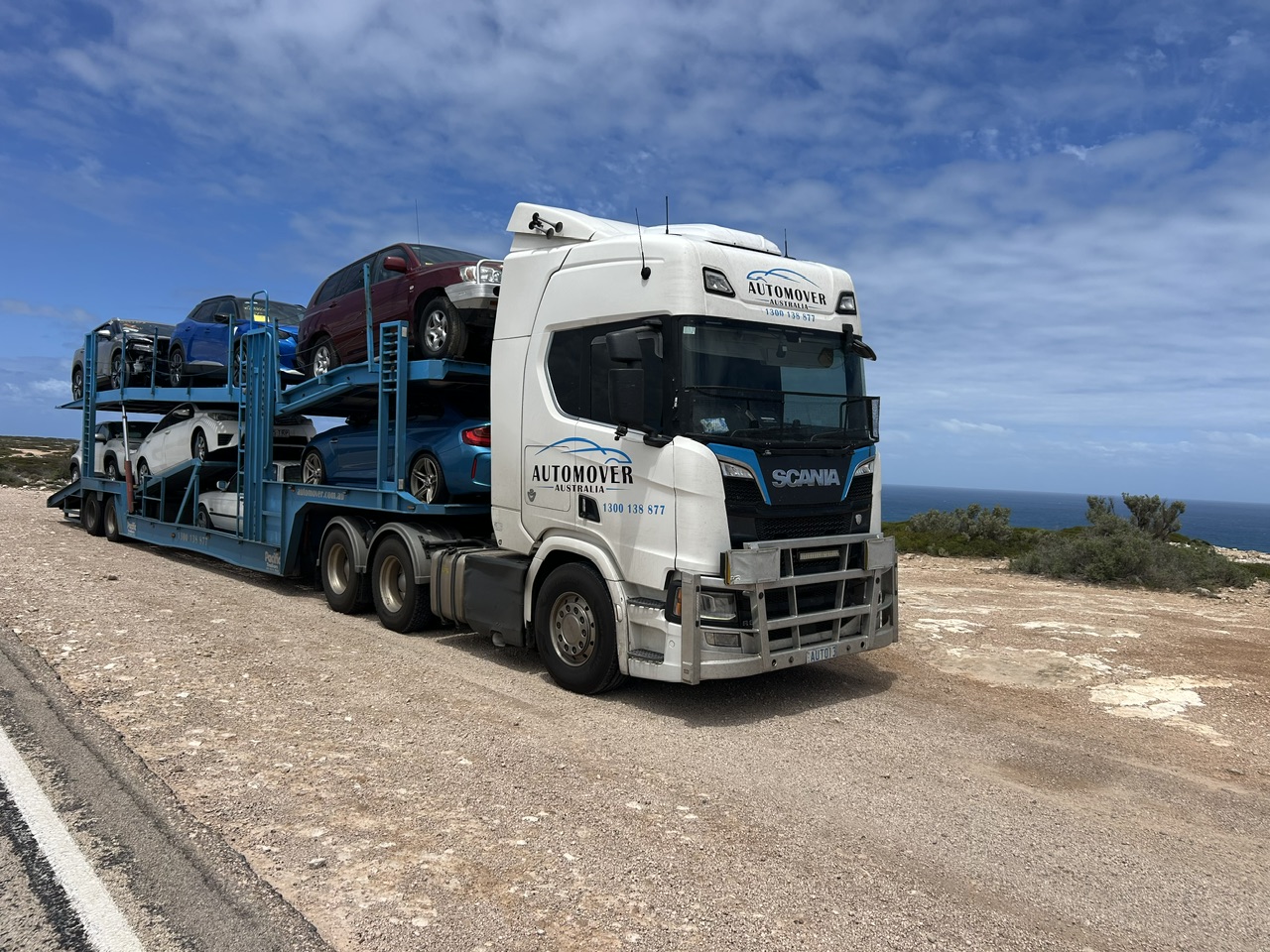
Open transport is the most common and widely used method of moving vehicles interstate. Your car is loaded onto a multi-level open-air carrier, similar to what you'd see delivering new vehicles to dealerships. It's the standard option for most sedans, SUVs, utes and everyday vehicles moving between capital cities or regional areas.
Because open carriers can transport multiple vehicles at once, this method is generally more efficient and cost-effective. It's the default choice offered when you get an instant quote for standard vehicle transport.
Pros of Open Transport
- Widely available with more carriers and depots across the country
- Typically more affordable than enclosed options
- Faster scheduling in most cases, since open carriers run more frequently
- Suitable for the vast majority of everyday vehicles
Considerations
- Vehicles are exposed to weather, road dust and debris during transit
- Less suited to extremely rare, high-value or delicate vehicles
What Is Enclosed Car Transport?
Enclosed transport uses a fully covered trailer or container, shielding your vehicle from the elements entirely. This method is typically reserved for classic cars, high-performance vehicles, luxury imports, and vehicles being transported for shows, auctions or sale, where extra protection and peace of mind matter more than cost. Enclosed transport is offered by specialist operators; Auto Mover Australia moves vehicles using open car carriers only.
Pros of Enclosed Transport
- Complete protection from weather, road grime and stone chips
- Reduced handling and often more careful loading procedures
- Ideal for classic, vintage, modified or high-value vehicles
- Peace of mind for vehicles with limited availability of parts or panels
Considerations
- Higher cost due to lower carrier capacity and specialised equipment
- Fewer providers and carriers offer this service, which can mean longer lead times
- Not necessary for most standard daily-driver vehicles
How Costs Compare
Prices for both open and enclosed transport vary depending on distance, vehicle size, pickup and drop-off locations, current demand, and seasonal factors such as fuel prices. Rather than relying on outdated figures, the most accurate way to understand current open transport pricing is to get an instant quote tailored to your specific vehicle and route; for enclosed transport, it's best to check directly with a specialist enclosed transport provider.
As a general rule, enclosed transport costs more than open transport because fewer vehicles fit on an enclosed carrier and the equipment and handling requirements are greater. Fuel costs also play a role in final pricing for open transport — you can read more about how these are calculated on our fuel levy page.
When Open Transport Makes Sense
For the majority of Australians relocating interstate, buying a car from another state, or sending a vehicle to a family member, open transport is the practical and sensible choice. It's well suited to:
- Everyday sedans, hatchbacks, SUVs and utes
- Buyers and sellers moving vehicles as part of an interstate car purchase
- Fleet or multiple vehicle relocations
- Anyone prioritising speed and affordability over maximum protection
If you're transporting a standard vehicle, our car carrying service covers the vast majority of open transport needs across the country, with depots in every state.
When Enclosed Transport Makes Sense
Enclosed transport earns its higher price tag when the vehicle itself demands extra care. Consider seeking out a specialist enclosed transport provider if you're moving:
- A classic, vintage or collectible car
- A high-performance or luxury vehicle with sensitive paintwork
- A show car, race car or vehicle heading to an auction
- A recently restored vehicle where any exposure to weather or debris would be costly to repair
In these cases, the added cost of enclosed transport is generally a worthwhile investment compared to the risk of even minor cosmetic damage.
Other Factors That Influence Your Decision
Distance and Route
Longer interstate routes may involve multiple handling points, so the level of protection you choose can matter more the further your vehicle travels. Check transit times for your route to understand how long your vehicle will be in transit and plan accordingly.
Vehicle Type
Open transport options aren't just for cars. If you're transporting a truck, van, boat, jet ski, trailer or caravan, different equipment and specialised services apply. Have a look at our dedicated pages for trucks and vans, boats and jet skis, or trailers and caravans to see what's available for your specific vehicle.
Insurance and Peace of Mind
Whichever method you choose, ask about insurance coverage during transit. Reputable operators carry appropriate cover for vehicles in their care, but it's always worth confirming the details before booking. Our FAQ page covers common questions about insurance, booking, and what to expect on transport day.
Door-to-Door vs Depot-to-Depot
Open transport with Auto Mover can typically be arranged as door-to-door or depot-to-depot service (enclosed transport, offered by specialist operators, is generally arranged in a similar way). Door-to-door is more convenient, with pickup and delivery at your specified addresses, while depot-to-depot can sometimes be more cost-effective if you're able to drop off and collect at a nearby depot. With depots in every state, we make it easy to choose the option that suits your schedule and budget — see our locations page for depot details near you.
Frequently asked questions
Does Auto Mover offer enclosed car transport?
No, Auto Mover Australia moves vehicles using open car carriers only. If you need enclosed transport, it's best to contact a specialist enclosed transport provider.
How much does it cost to transport a car interstate?
Costs depend on distance, vehicle size, pickup and drop-off locations, demand and seasonal factors like fuel prices. The most accurate way to find out is to get an instant quote tailored to your vehicle and route.
Is open transport safe for an everyday car?
Yes, open transport is the standard and widely used method for sedans, SUVs, utes and everyday vehicles moving between states. The main consideration is that vehicles are exposed to weather, road dust and debris during transit.
When should I choose enclosed transport instead of open?
Enclosed transport is worth considering for classic, vintage or collectible cars, high-performance or luxury vehicles with sensitive paintwork, show or race cars, or recently restored vehicles where weather exposure could be costly to repair. For most standard daily-driver vehicles, it isn't necessary.
Can I choose door-to-door delivery instead of using a depot?
Yes, open transport can typically be arranged as either door-to-door or depot-to-depot service. Door-to-door offers pickup and delivery at your specified addresses, while depot-to-depot can sometimes be more cost-effective if you can drop off and collect nearby.
Is my vehicle insured during interstate transport?
Reputable operators carry appropriate insurance cover for vehicles in their care, but it's worth confirming the details before booking either open or enclosed transport.
Making the Right Choice
For most Australians, open transport strikes the right balance between cost and reliability, and it's the method trusted by 10,000+ happy customers moving everyday vehicles across the country each year — and the only method Auto Mover Australia provides. Enclosed transport, arranged through specialist operators, is worth the extra investment when your vehicle is rare, valuable, or particularly precious to you. If you're still unsure whether open transport suits your situation, our team can help you weigh up the factors specific to your vehicle and route.
Ready to compare your options? Get an instant quote today and see transparent pricing for open transport across Australia, or get in touch with our team if you have questions before booking. If you need enclosed transport, we recommend contacting a specialist enclosed transport provider.