Motorcycle Transport Australia: How to Ship Your Bike Interstate Safely and What It Costs
Published 22/08/2026 · Updated 07/10/2026 · Auto Mover Australia
Whether you've bought a bike interstate, you're relocating for work, or you're sending your motorcycle to a track day or show on the other side of the country, riding it there yourself isn't always practical. Interstate motorcycle transport takes the wear, weather risk and hours off your hands, but it pays to understand how the process works before you book. This guide covers how motorcycle transport operates in Australia, how to prepare your bike, and what factors influence the price.
Why Ship a Motorcycle Instead of Riding It
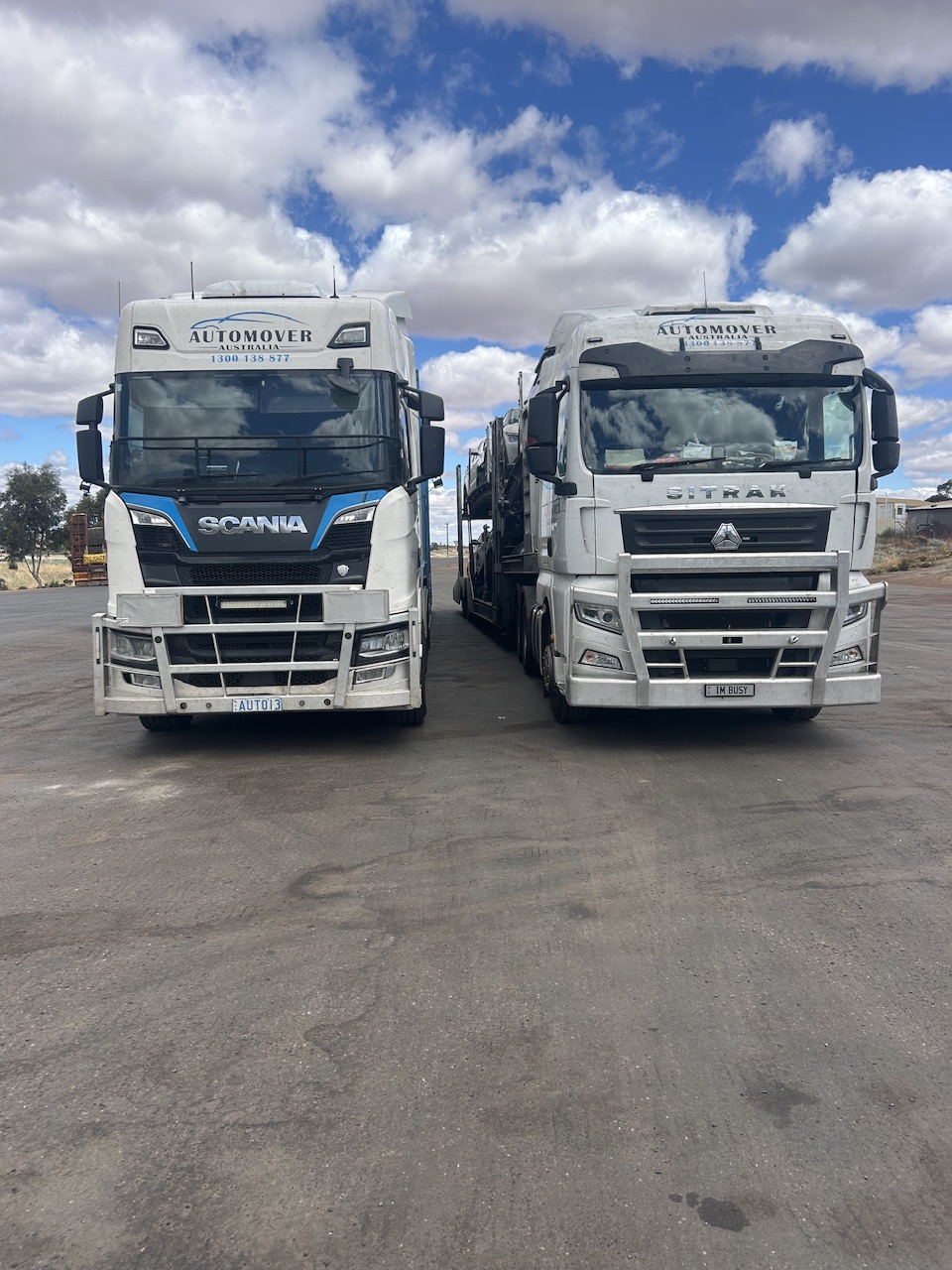
Long-distance riding puts real hours on the engine, tyres and chain, and exposes the bike to weather, road debris and the general risks of a multi-day trip. For newer bikes, classics, or anything under warranty, professional transport avoids unnecessary kilometres and keeps the odometer honest for resale. It's also the only sensible option if you don't have the time to ride cross-country, if the bike is non-running, or if you're shipping multiple motorcycles at once, such as a dealer moving stock or a club sending bikes to an interstate event.
How Motorcycle Transport Works
Most motorcycles travel interstate on open two-level carriers alongside cars, and sometimes on dedicated motorcycle transport trailers fitted with wheel chocks and tie-down rails, while enclosed or part-enclosed transport is available from specialist operators. The bike is secured upright using front-wheel chocks and multiple soft-strap tie-downs to prevent movement during transit. This is a very different process to car carrying, since a motorcycle has no stabilising fourth wheel and needs to be properly restrained to stay upright for the whole journey.
Depot-to-Depot vs Door-to-Door
You'll generally have two service options:
- Door-to-door: the carrier collects the bike from your home or workplace and delivers it to the same at the other end. This is more convenient but can cost a little more depending on access and location.
- Depot-to-depot: you drop the bike at a depot and collect it from a depot near the destination. This is often the more budget-friendly option, particularly if you're near one of the depot locations in capital cities and major regional centres.
Which option suits you best depends on your schedule, how close you are to a depot, and whether you have someone available to drop off or collect the bike.
Preparing Your Motorcycle for Interstate Transport
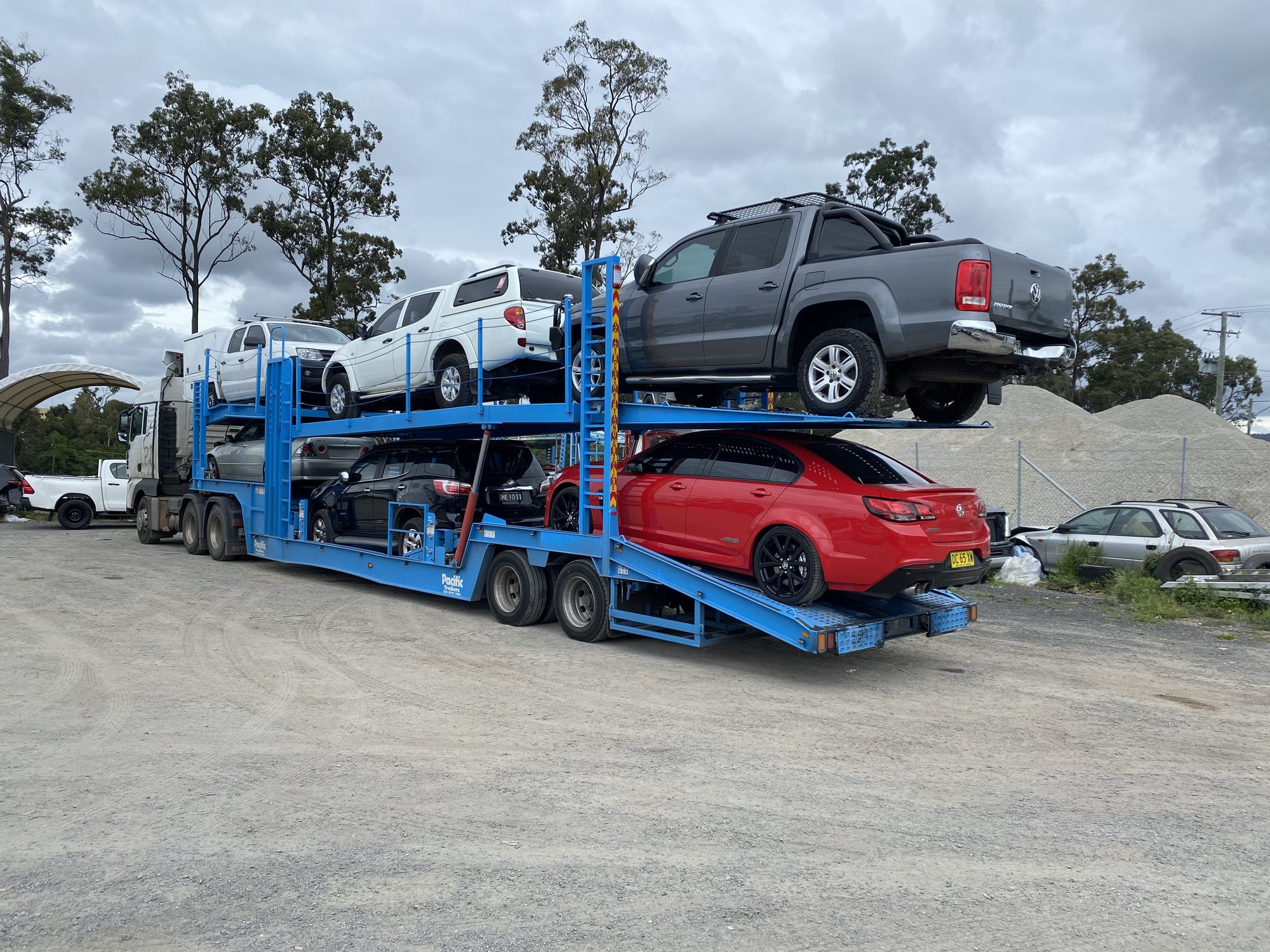
A little preparation goes a long way toward a smooth, damage-free trip. Before your bike is collected:
- Wash the bike so any existing marks, chips or scratches are clearly visible for the condition report.
- Photograph it from multiple angles, including close-ups of the fairings, tank, exhaust and wheels, with timestamps if possible.
- Check for fluid leaks and top up oil, coolant and brake fluid if needed, since leaks can cause issues during loading and transit.
- Reduce fuel to around a quarter tank. Carriers generally require lower fuel levels for safety reasons.
- Disconnect or secure the battery if instructed, and remove or lock away any loose accessories, tank bags, GPS mounts or aftermarket parts that could be knocked off or go missing.
- Set the alarm and immobiliser correctly so they don't drain the battery or trigger during loading.
- Note any existing mechanical issues, such as a bike that doesn't start easily, so the transport crew can handle loading safely.
- Provide a spare key if door-to-door delivery requires the bike to be moved on and off the truck at each end.
Confirm with your carrier exactly what condition report and paperwork will be completed at pickup, and keep a copy for your records.
What Affects the Cost of Motorcycle Transport
Prices vary depending on several factors, so it's best to treat any figure you see online as a rough guide rather than a fixed rate. Key factors include:
- Distance and route: a Sydney to Melbourne run will typically cost less than a trip to a remote regional area or across to Western Australia.
- Service type: door-to-door pickup and delivery generally costs more than depot-to-depot.
- Enclosed vs open transport: fully enclosed transport, offered by specialist operators, gives extra protection from weather and road debris but usually comes at a premium; Auto Mover moves motorcycles on open carriers.
- Bike size and weight: a small commuter bike takes up less space and weighs less than a large touring bike or adventure motorcycle, which can affect pricing.
- Number of bikes: shipping multiple motorcycles together can sometimes work out more cost-effective per bike.
- Fuel costs: transport pricing is affected by fluctuating fuel prices, which is why many carriers apply a separate fuel levy rather than baking it into a flat rate.
- Time of year: demand can rise around major bike shows, race weekends and the end of financial year, which can affect availability and pricing.
Because so many variables are at play, the most reliable way to know what your move will cost is to get an instant quote with your specific pickup and delivery details.
How Long Does It Take?
Transit times depend on the distance between pickup and delivery points, the specific route, and how many other stops the carrier makes along the way. A short interstate hop might take a few days, while a longer run across the country, or to a location off the main freight corridors, can take longer. For a realistic estimate for your specific route, check estimated transit times before you book, and plan your pickup date with a buffer if you need the bike by a certain day.
Choosing the Right Motorcycle Transport Company
Not all carriers handle motorcycles the same way, so it's worth checking a few things before booking:
- Experience with motorcycles specifically, not just general vehicle freight — bikes need proper chocks and tie-down points, not just straps thrown over the seat.
- Insurance cover for the vehicle while in transit, and what excess applies in the rare event of damage.
- Clear communication on pickup and delivery windows, and a straightforward way to track your booking.
- Reputation — a company trusted by 10,000+ happy customers for interstate vehicle transport is a good sign they know how to handle a range of vehicles safely, including motorcycles.
If you're moving more than just a bike, such as a car, trailer or boat at the same time, ask whether the same booking can cover everything. Many households moving interstate combine motorcycle transport with a car transport booking to save on coordination and sometimes on cost.
Common Questions
New customers often ask about paperwork, whether the bike needs to be registered, what happens if it doesn't start, and how claims are handled if something goes wrong. Rather than guessing, it's worth reading through the frequently asked questions page, which covers these scenarios in detail, or getting in touch directly via the contact page if your situation is a little unusual, such as a non-running project bike or a vintage motorcycle needing extra care.
How much does it cost to send a motorcycle interstate?
It depends on things like distance and route, whether you choose door-to-door or depot-to-depot, open versus enclosed transport, the size and weight of the bike, how many bikes you're sending, fuel costs and the time of year. Because there are so many variables, it's best to get an instant quote with your specific pickup and delivery details rather than rely on a general figure.
How long does it take to transport a motorcycle interstate?
Transit time depends on the distance between pickup and delivery, the route taken, and how many other stops the carrier makes along the way. A short interstate hop might take just a few days, while a longer trip or one off the main freight corridors can take longer, so it's worth checking estimated transit times and leaving a buffer before you need the bike.
Can I get my bike picked up and dropped off at my house?
Yes, door-to-door service is available, where the carrier collects the bike from your home or workplace and delivers it to the same at the other end. It's generally more convenient but can cost a little more than depot-to-depot, depending on access and location.
What should I do to prepare my motorcycle before it's picked up?
Wash the bike and photograph it from multiple angles so any existing marks are clear, check for fluid leaks, and reduce the fuel to around a quarter tank. You should also secure or disconnect the battery if instructed, remove loose accessories, set the alarm and immobiliser correctly, and note any mechanical issues for the transport crew.
Can I ship a motorcycle that doesn't run?
Yes, transporting a non-running bike is one of the reasons people choose professional transport over riding it themselves. Just make sure to note the issue when booking so the transport crew can handle loading it safely.
Is it cheaper to send the bike to a depot instead of my home?
Depot-to-depot is often the more budget-friendly option, especially if you're near one of the depot locations in capital cities and major regional centres. Which option works best for you depends on your schedule, proximity to a depot, and whether someone can drop off or collect the bike.
Ready to Book Your Motorcycle Transport?
Shipping a motorcycle interstate doesn't need to be complicated when it's handled by people who know how to secure and transport bikes properly. Take a few minutes to get an instant quote and see how straightforward moving your bike interstate can be.