How Car Carriers Load and Secure Your Vehicle for Interstate Transport
Published 03/08/2026 · Updated 06/10/2026 · Auto Mover Australia
If you've never shipped a car interstate before, it's natural to wonder exactly what happens once your keys are handed over. How does a two-tonne SUV end up safely wedged between four or five other vehicles on a moving truck without so much as a scratch? The answer comes down to a combination of purpose-built equipment, trained loading crews and a set of securing methods that have been refined over decades of road transport. Here's a look under the hood, so to speak, at how it's actually done.
The equipment: open versus enclosed carriers
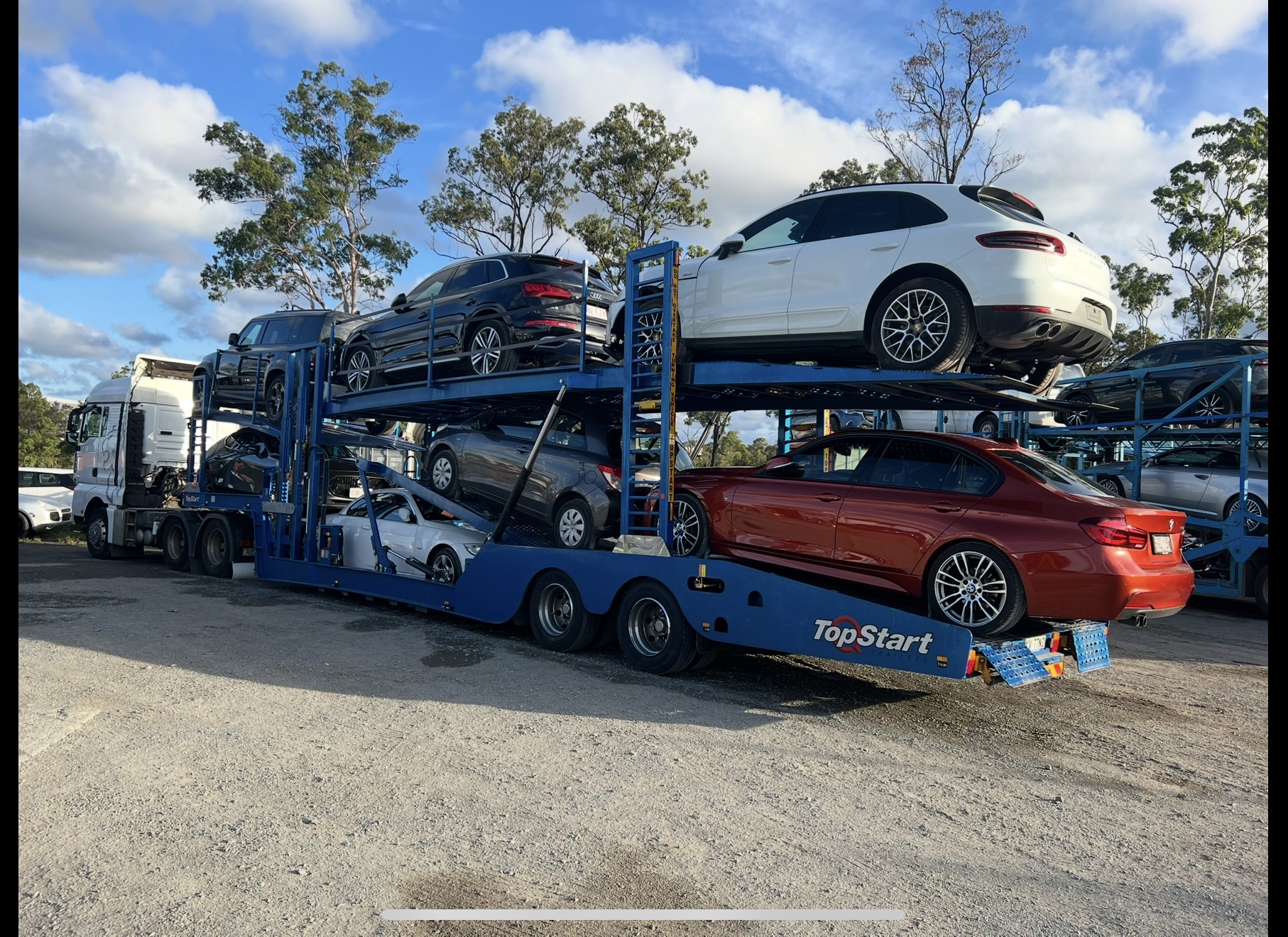
Most interstate vehicle moves in Australia use open car carriers — the multi-level trailers you'll have seen on the highway, capable of carrying anywhere from three to ten vehicles depending on size. They're efficient, cost-effective and perfectly safe for everyday cars, SUVs and utes.
Enclosed carriers are fully covered trailers used by specialist operators for classic cars, high-value vehicles or anything needing extra protection from weather and road debris. They cost more to run, so they're typically reserved for specific requests rather than standard interstate freight. Auto Mover Australia moves vehicles on open car carriers, which suit the vast majority of interstate moves. You can read more about the options available for car carrying services and how they compare.
Trucks, vans, boats, jet skis, caravans and trailers each need their own approach to loading and restraint, which is why a genuine transport operator will have dedicated equipment for trucks and vans, boats and jet skis, and trailers and caravans rather than trying to force every vehicle type onto the same deck.
Step one: the pre-load inspection
Before anything is driven onto the carrier, the driver conducts a thorough condition report. This typically involves:
- Walking around the vehicle and photographing or noting any existing marks, scratches or panel damage
- Checking tyre pressure and condition, since a flat or damaged tyre affects how safely the car can be driven up the ramp
- Confirming the fuel level is low (usually a quarter tank or less) to reduce weight and fire risk
- Removing or securing loose items inside the cabin — most carriers won't transport personal belongings, so it pays to check what's allowed beforehand
- Testing that the vehicle starts, steers and brakes normally, as it needs to be driven on and off under its own power
This condition report becomes the reference point at delivery, so both parties can confirm the vehicle arrived in the same state it left in. If you're unsure what's expected of you before pickup day, our FAQ page covers the most common preparation questions.
Step two: positioning on the deck
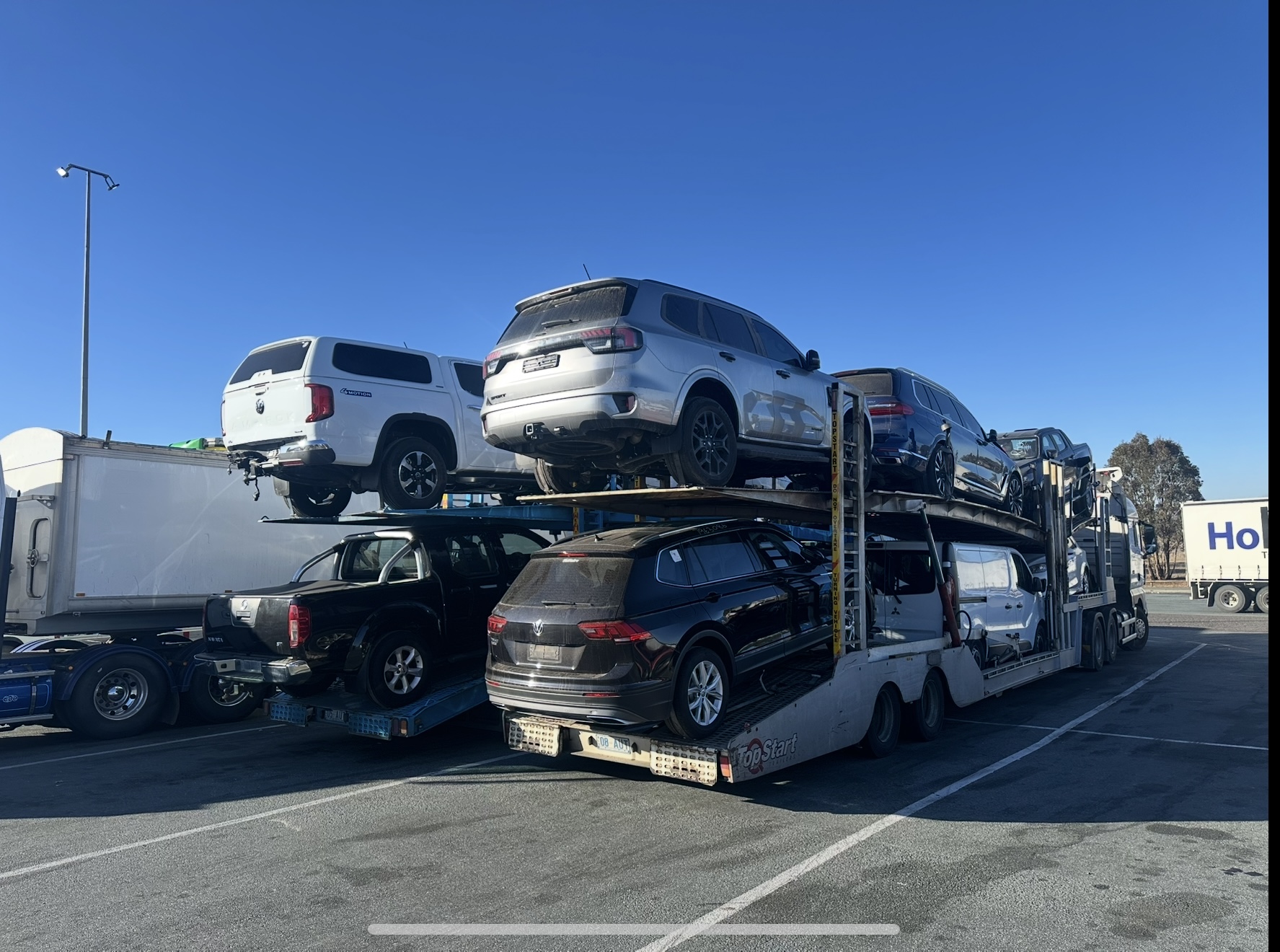
Loading isn't random — drivers plan the deck layout based on vehicle size, weight and ground clearance before anything moves. Lower sports cars and vehicles with limited clearance are usually placed where the ramp angle is gentlest, while taller SUVs and utes go where there's enough headroom on multi-level decks. Weight distribution matters too, since an unevenly loaded carrier affects fuel economy, tyre wear and handling on the highway.
Vehicles are driven on slowly, in low gear, with a loading crew member guiding the driver using hand signals or a spotter positioned at the front. Wheel chocks or ramps assist where ground clearance is tight, and mirrors are folded in where required to maximise space between vehicles.
Step three: securing the vehicle
This is the part most people are curious about — how does a car actually stay in place over hundreds or thousands of kilometres of highway driving? Professional carriers use a combination of methods:
- Wheel straps — the most common method for standard vehicles. Nylon or ratchet straps loop over each tyre and are tensioned down to the deck, holding the car firmly without putting stress on the body or suspension.
- Chassis chains or hooks — used on heavier vehicles, trucks and some 4WDs, anchoring directly to chassis points rated for towing or recovery.
- Wheel chocks — placed in front of and behind each tyre as an extra layer of security against rolling.
- Handbrake and gear engagement — vehicles are left in park (or first gear for manuals) with the handbrake engaged as a backup to the strapping.
Each strap is tensioned evenly on both sides of the vehicle so it sits level and doesn't lean under braking or cornering forces. Drivers re-check tension at scheduled stops along the route, since straps can loosen slightly as the vehicle settles during the first hour or so of the journey.
Step four: en-route checks and delivery
On longer interstate hauls, drivers stop periodically to inspect the load — checking strap tension, tyre condition and looking for any shifting. This is standard practice on any run covered under our transit times information, particularly for longer routes crossing multiple states.
At the destination, the same condition report process happens in reverse: the vehicle is unloaded, straps and chocks are removed, and the receiving party (you, a depot, or your nominated contact) checks the car against the original inspection notes before signing off.
Why the process matters for your booking
Understanding the loading and securing process helps explain a few things you'll encounter when booking:
- Why a low fuel level and clean cabin are usually required
- Why vehicles with very low ground clearance sometimes need extra handling notes at booking
- Why depot-to-depot transport (dropping your car at one of our depots yourself) can sometimes streamline loading compared to door-to-door pickup in a tight residential street
- Why weather, fuel costs and route distance can all factor into pricing — something covered in more detail on our fuel levy page
Whatever you're transporting, from a daily driver to a boat or caravan, the same underlying principle applies: proper inspection, correct positioning, and multiple points of restraint working together rather than relying on any single method.
Frequently asked questions
Can I leave personal belongings in the car when it's transported?
Usually not, as most carriers won't transport personal items left inside the cabin. It's best to check what's allowed with your transport provider before pickup day.
How much fuel should be in the car before it's picked up?
The fuel level should usually be a quarter tank or less. This helps reduce overall weight and lowers fire risk during transport.
Will my car get scratched or damaged on the carrier?
A thorough condition report is done before loading, noting any existing marks or damage, and the same checks happen again at delivery. This means both parties can confirm the car arrived in the same condition it left in.
How do they stop the car from moving around on the truck?
Cars are secured using wheel straps, and heavier vehicles may use chassis chains or hooks, with wheel chocks placed in front of and behind the tyres for extra security. The handbrake is also engaged and the car left in park or first gear as a backup.
Do they check on my car during a long interstate trip?
Yes, drivers stop periodically on longer hauls to check strap tension, tyre condition and look for any shifting of the load. This is standard practice, particularly on routes crossing multiple states.
Does my car need to be in driving condition to be transported?
Yes, the vehicle needs to start, steer and brake normally since it's driven on and off the carrier under its own power. Tyre pressure and condition are also checked beforehand, as a flat or damaged tyre affects how safely it can be driven up the ramp.
Ready to book your interstate transport?
Now that you know what happens behind the scenes, booking your vehicle's interstate journey should feel a lot less like a mystery. Auto Mover Australia operates depots across the country — see our locations page for details — and our crews follow the same careful loading and securing standards on every job, whether it's a single car or a fleet. If you have questions before booking, our team is easy to reach via the contact page, or you can learn more about us and how we operate.
The best way to see exactly what your move will involve — and what it will cost — is to get an instant quote today. It only takes a few minutes and gives you a clear picture before you commit.