Car Carrying Companies in Australia: How to Choose the Right One
Published 20/08/2026 · Updated 07/10/2026 · Auto Mover Australia
Moving a car, SUV, ute, boat or caravan interstate isn't like sending a parcel. Your vehicle is expensive, personal, and often needs to arrive on a specific date. Yet the car carrying industry in Australia includes everything from large national carriers with their own trucks and depots, to brokers who quote on your behalf, to marketplaces where independent drivers bid for the job. Understanding which type of business you're actually dealing with is the single most useful thing you can do before booking.
Carrier vs broker vs marketplace: what's the difference?
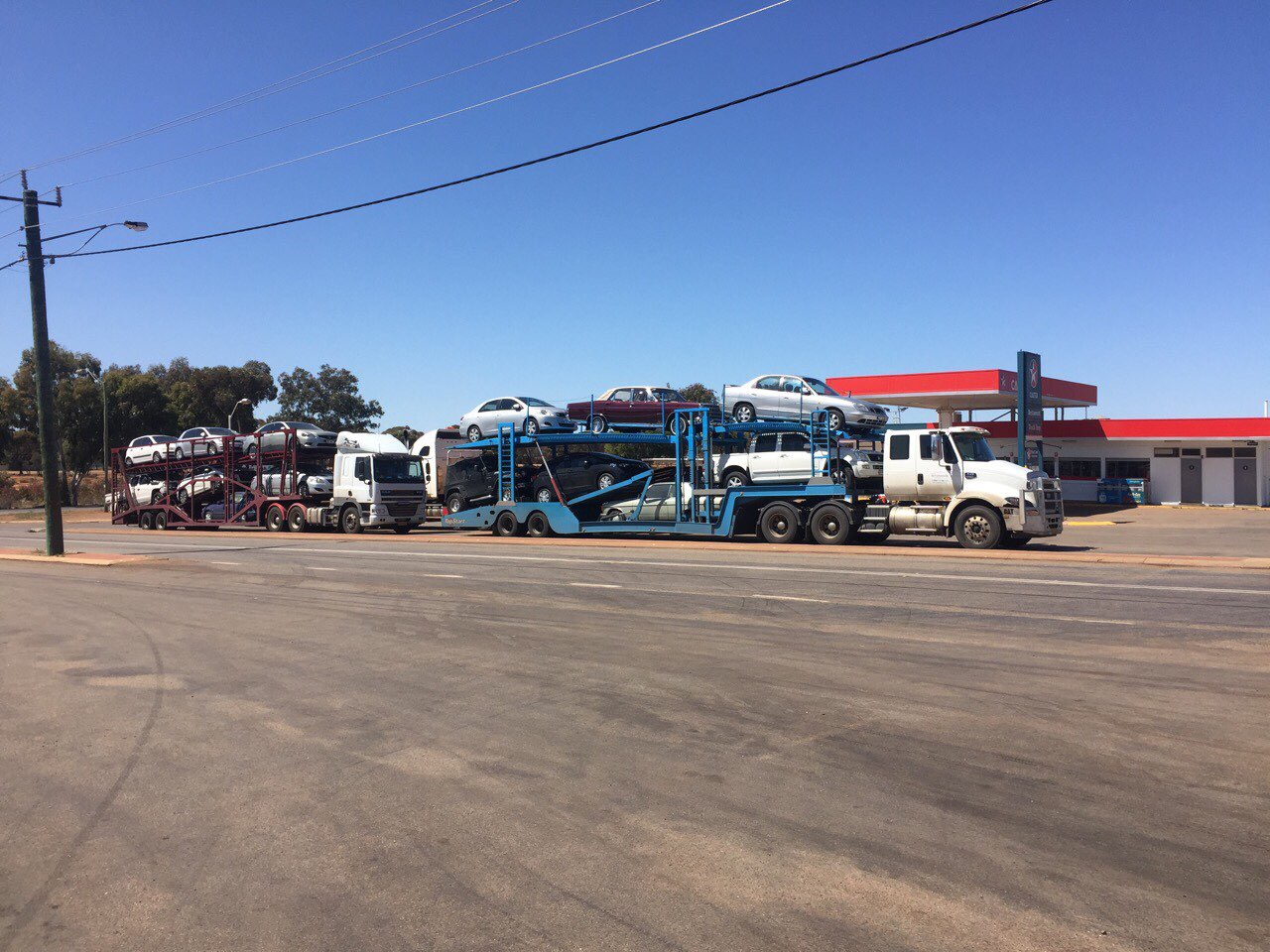
These three business models look similar on the surface — all offer a quote, a pickup date and a delivery estimate — but they operate very differently once your vehicle is in transit.
Carriers
A carrier owns or directly manages the trucks, depots and staff involved in moving your vehicle. You deal with one company from quote to delivery, and that company is accountable for the whole journey. This tends to mean clearer communication, consistent insurance coverage, and someone to call if something goes wrong.
Brokers
A broker takes your booking and then arranges for an actual carrier to do the physical transport. This can sometimes mean a wider network and competitive pricing, but it also adds a layer between you and the people handling your car. If a problem arises, you may find yourself being passed between the broker and the subcontracted carrier while responsibility is worked out.
Marketplaces
Marketplace platforms let independent operators bid on your job. Pricing can be competitive, but quality, insurance arrangements and professionalism vary enormously between individual drivers, and there's often no central company standing behind the service.
None of these models is automatically "bad", but you should know which one you're booking with. If a company can't clearly explain who will physically load, transport and unload your vehicle, that's worth asking about directly — see our FAQ for the kinds of questions worth raising upfront.
Why a depot network actually matters
A genuine depot network — secure, purpose-built facilities in capital cities and major regional centres — affects your experience in several practical ways:
- Flexible pickup and delivery options. A company with depots in every state can usually offer both door-to-door and depot-to-depot service, letting you balance cost against convenience.
- Secure storage between legs. Vehicles are often consolidated at a depot before the next leg of the journey. A proper depot means your car is behind a gate and under supervision rather than parked on a random street.
- More realistic scheduling. Companies with established depots and regular routes tend to have more predictable transit windows, because they're not waiting to find enough vehicles to justify a one-off trip.
- Local accountability. If something needs to be checked or resolved, a physical depot near you is far more useful than a call centre in another state.
Before booking, check whether the company actually has depots where you need them, or whether "servicing your area" really means a subcontractor picking up occasionally. Our locations page is a useful example of what a genuine national depot network looks like.
Insurance: the questions you must ask
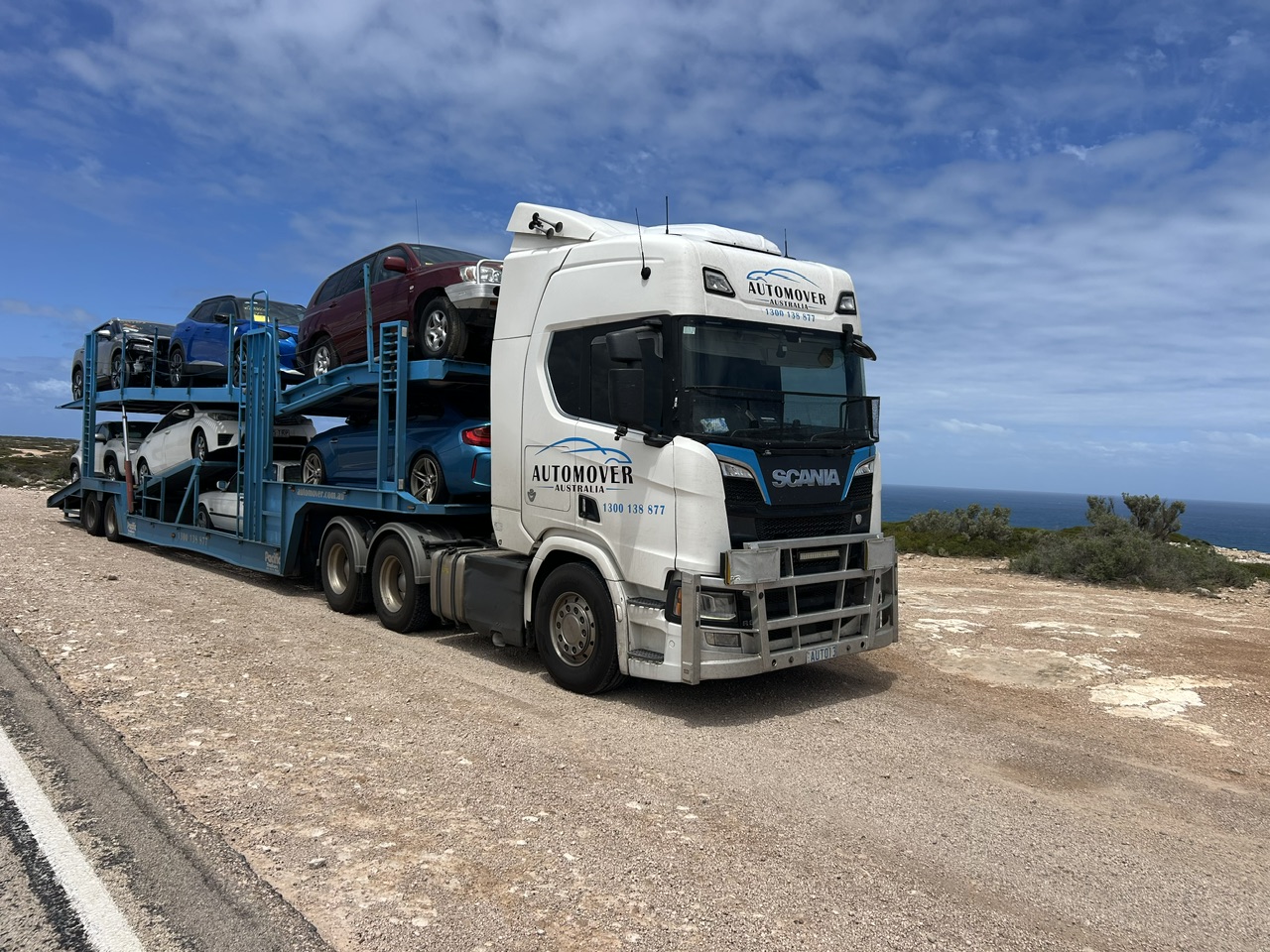
Insurance is where corners get cut, and it's the area most likely to cause a painful surprise if something goes wrong. Don't just ask "are you insured?" — ask these specific questions:
- What type of cover applies? Marine/transit cover for the vehicle in transit is different from general carrier's liability. Ask which one applies to your booking.
- What's the excess, and who pays it? Some policies have excesses high enough to make small claims pointless.
- Are pre-existing conditions excluded? This is why a proper condition report at pickup matters — it protects both parties.
- Does cover apply for the entire journey, including depot storage? Gaps can appear between legs if subcontractors are involved.
- Can they provide written confirmation, not just a verbal assurance? A legitimate carrier should be able to email you a summary of the cover that applies to your vehicle.
If a quote seems unusually cheap, ask directly whether that price includes standard transit insurance or whether it's an optional extra. This single question filters out a lot of low-quality operators.
Tracking and communication
You don't need GPS-accurate, minute-by-minute tracking, but you should expect:
- A confirmed pickup window communicated in advance, not "sometime this week".
- A way to check status — whether that's a tracking portal, SMS updates, or a direct phone line.
- Realistic transit time estimates based on the actual route, not a generic promise. Long interstate routes, like Perth to the east coast, genuinely take longer than a Sydney–Melbourne run, and a reputable company will be upfront about this. Our transit times guide breaks down what's realistic for common routes.
- A single point of contact if there's a delay, rather than being told to "wait and see".
Poor communication during transit is one of the most common complaints about lower-tier operators, and it's usually a symptom of the broker or marketplace model rather than a one-off mistake.
Red flags to watch for
- No fixed address or depot details. If a company can't tell you where your car will physically be stored, that's a problem.
- Vague or shifting pricing. Legitimate quotes account for vehicle size, distance and service type. Be cautious of quotes that change significantly after booking, and always check whether a fuel levy or similar surcharge applies rather than being surprised by it later.
- Reluctance to put insurance details in writing. A verbal "yeah, you're covered" isn't good enough.
- No condition report process at pickup. This document protects you if there's damage, and its absence should be a dealbreaker.
- Pressure to pay large deposits upfront with no clear cancellation or refund policy.
- Inability to explain who's actually driving the truck. If they can't answer basic questions about the carrier doing the work, assume you're dealing with a broker layer you weren't told about.
Frequently asked questions
What's the difference between a carrier, a broker and a marketplace when moving a car interstate?
A carrier owns and manages the trucks, depots and staff themselves, so one company is accountable from quote to delivery. A broker arranges for a separate carrier to do the physical work, and a marketplace lets independent operators bid on your job, so quality and insurance can vary a lot between drivers.
Why does it matter if a company has its own depots?
A genuine depot network means your vehicle can be stored securely behind a gate between legs of the journey, rather than left on a random street. It also tends to mean more predictable scheduling and a local point of contact if something needs checking.
What insurance questions should I ask before booking?
Ask what type of cover applies, what the excess is and who pays it, whether pre-existing conditions are excluded, and whether cover applies for the whole journey including depot storage. Always ask for written confirmation of the cover rather than just a verbal assurance.
How long does it take to transport a car between states?
Transit times depend on the actual route, and a long route like Perth to the east coast genuinely takes longer than a Sydney to Melbourne trip. A reputable company should give you a realistic estimate based on your specific route rather than a generic promise.
What if a quote seems unusually cheap?
Ask directly whether the price includes standard transit insurance or whether that's an optional extra, since this question tends to filter out lower-quality operators. Also check whether a fuel levy or similar surcharge applies so you're not surprised later.
What should happen when my car is picked up?
There should be a condition report process at pickup, which protects both you and the company if any damage is raised later. If a company has no condition report process, the article treats that as a dealbreaker.
A practical comparison checklist
- Confirm whether you're booking a carrier, broker or marketplace, and understand what that means for accountability.
- Check for a real depot network in the areas you need — see where depots are located.
- Get insurance details in writing before you pay anything.
- Ask how you'll be updated during transit and who to contact if plans change.
- Compare total pricing, including any levies, not just the headline number.
- Check what other vehicle types they handle — a company experienced with car carrying, trucks and vans, boats and jet skis, and trailers generally has more robust equipment and processes than one that only occasionally moves vehicles.
Auto Mover Australia operates its own depot network across every state, is trusted by 10,000+ happy customers, and is upfront about insurance, transit times and pricing before you book. You can read more about how we operate on our About page, or reach out via Contact if you have questions that aren't covered in our FAQ.
Ready to compare your options properly? Get an instant quote and see real pricing and timeframes for your route before you commit to anything.