Is Your Car Insured During Interstate Transport? What Every Owner Should Check
Published 15/08/2026 · Updated 07/10/2026 · Auto Mover Australia
Moving a car interstate is a big decision, and one question comes up more than almost any other: is my car actually insured while it's on the truck? It's a fair question. Your vehicle is going to spend anywhere from a day to a week or more in someone else's care, travelling hundreds or thousands of kilometres on public roads. Before you hand over the keys, it pays to understand exactly what protection is in place and where the gaps might be.
This guide walks through what to check with your own insurer, what to ask any transport provider, and how to make sure you're not caught out by a coverage gap when your car, SUV, truck, boat, or caravan makes its interstate journey.
The Two Layers of Cover You Need to Understand
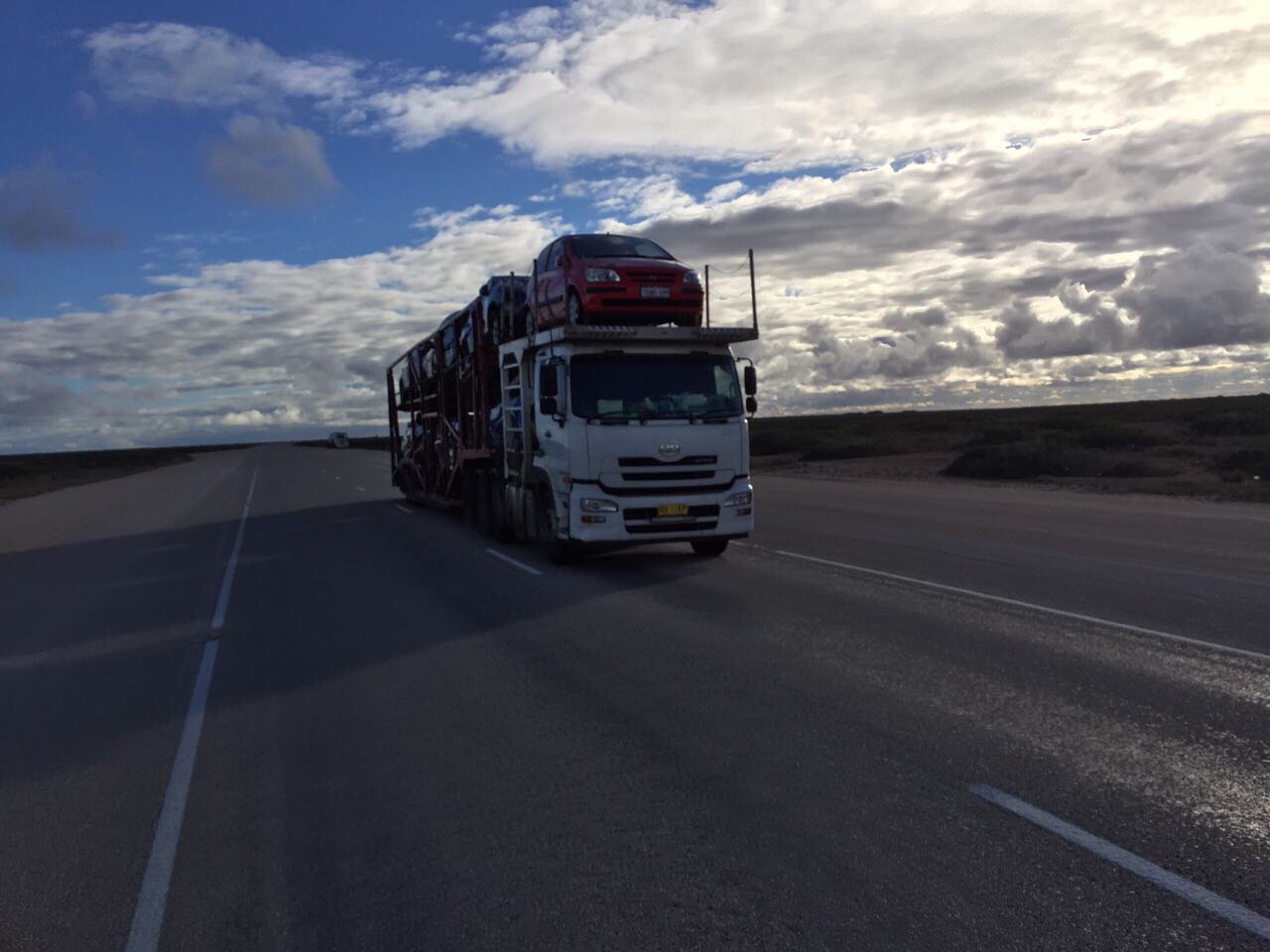
When a vehicle is transported interstate, there are generally two separate layers of insurance in play:
- Your own comprehensive car insurance — which may or may not extend to cover the vehicle while it's being transported by a third party.
- The transport company's insurance — often called carrier's liability or goods-in-transit cover, which is designed to protect the vehicle while it's in their custody, loaded on their equipment.
Many owners assume one automatically covers the other. In reality, you need to confirm both, because policies vary significantly between insurers and between transport operators.
What to Check With Your Own Insurer
Before booking transport, call your insurance provider and ask these specific questions:
- Does my policy remain active while the car is being driven or carried by a third-party transport company?
- Is there a difference in cover between the vehicle being driven interstate versus carried on a car-carrying trailer?
- Does my policy require me to notify the insurer before the vehicle is transported this way?
- Are there any exclusions for vehicles that are non-operational, modified, or classic/collectible?
- What happens to my no-claim discount if I do need to make a claim during transport?
Some comprehensive policies will cover the car regardless of who is driving or carrying it, provided it's being used or moved for a legitimate purpose. Others have specific clauses that reduce or void cover when the vehicle is in the custody of a commercial transport operator. Getting this in writing (an email confirmation is fine) means you're not relying on memory if something goes wrong.
What to Check With the Transport Company
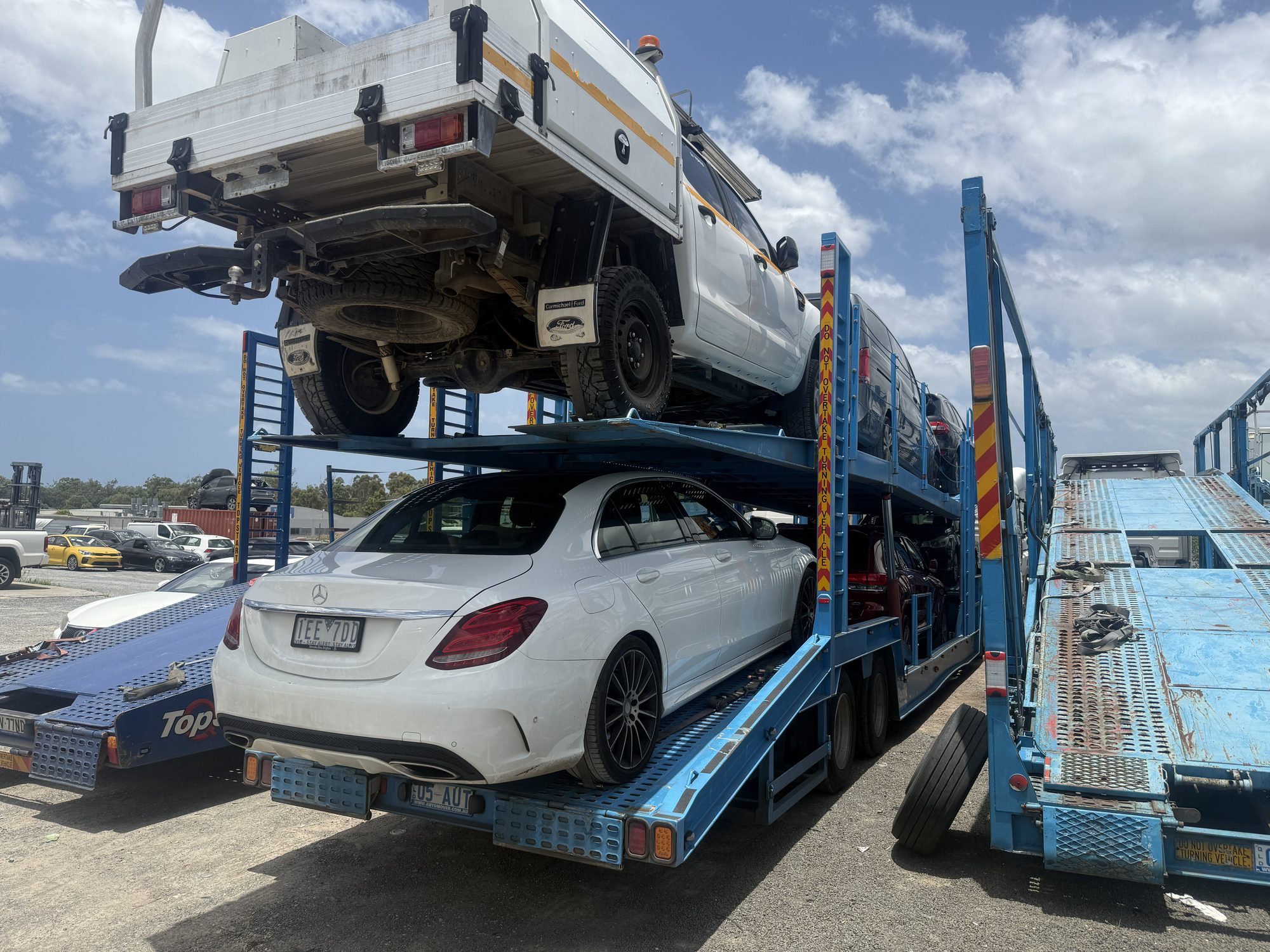
Any reputable interstate car transport company should carry insurance that covers your vehicle while it's in their custody — but the details matter. Ask for:
- Confirmation of current insurance, including the type of cover (goods in transit, carrier's liability, or similar) and the insurer's name.
- The maximum value covered per vehicle, especially important if you're transporting a high-value car, a modified vehicle, or specialty equipment like a boat or jet ski.
- What is and isn't covered — for example, whether pre-existing mechanical issues, aftermarket parts, or personal items left inside the vehicle are excluded.
- The claims process — how and when you need to report damage, and what documentation is required.
- Excess amounts
Don't be shy about asking for this information before you book. A transparent operator will have no problem providing it. If you're comparing several companies, this is genuinely one of the best ways to separate the professional operators from the rest.
Condition Reports: Your Most Important Piece of Paper
Regardless of what insurance is in place, the single most useful document in any dispute is a proper condition report completed at pickup and delivery. This should include:
- Detailed notes and photos of the vehicle's exterior, interior, and undercarriage before loading.
- Odometer reading at pickup.
- Fuel level, and note of any existing scratches, dents, or wear.
- A matching inspection and sign-off at delivery, comparing against the original report.
Take your own timestamped photos on your phone in addition to whatever the driver records. This isn't about distrust — it's simply good practice that protects both you and the transport provider, and it's the first thing any insurer will ask for if a claim is lodged. This applies whether you're transporting a standard sedan through our car carrying service, a larger vehicle via trucks and vans transport, or a boat or jet ski through a specialised boat and jet ski transport service.
Door-to-Door vs Depot-to-Depot: Does It Change Cover?
Insurance principles are generally the same whether you choose door-to-door or depot-to-depot transport — the vehicle is covered while it's in the carrier's custody, from the point of loading to the point of unloading. The practical difference is in handling: door-to-door means fewer transfers and less handling, which can reduce the overall risk exposure, while depot-to-depot may involve additional movement within a secure yard. Either way, ask specifically whether cover applies during any storage period at a depot, particularly if there's a delay between drop-off and the truck's departure. You can check depot locations around Australia and how each option works before deciding what suits your situation.
Other Factors That Can Affect Cover
A few additional things are worth confirming, since they can influence both insurance and the overall transport experience:
- Transit time — longer routes mean more time in transit, so understanding realistic transit times for your route helps set expectations around when cover begins and ends.
- Fuel levy and surcharges — these don't directly affect insurance, but it's worth understanding how a fuel levy is calculated so your total cost is clear upfront.
- Non-standard vehicles — trailers, caravans, and larger loads carried through our trailer transport service may have different declared value requirements, so confirm these separately.
- Personal belongings — most transit insurance covers the vehicle itself, not personal items left inside, so remove valuables before pickup.
A Simple Pre-Booking Checklist
- Confirm with your own insurer whether cover continues during third-party transport.
- Ask the transport company for written confirmation of their insurance and coverage limits.
- Understand the excess and claims process before you need it.
- Complete a thorough condition report with photos at pickup and delivery.
- Remove personal belongings and check fuel level requirements.
- Keep copies of all documentation until the job is complete and the vehicle is confirmed in good condition.
These steps take a small amount of time upfront but remove almost all of the uncertainty around what happens if something unexpected occurs during transport.
Why This Matters When Choosing a Transport Company
Auto Mover Australia has depots in every state and is trusted by 10,000+ happy customers moving cars, SUVs, trucks, boats, and caravans interstate. We're upfront about our insurance coverage and happy to answer any questions before you book — you can find answers to common questions on our FAQ page, learn more about our company, or reach our team directly via Contact if you have a specific vehicle or route in mind.
Understanding insurance shouldn't be complicated, and a transport company that makes this information easy to access is generally a good sign of how they'll handle the rest of the job too.
Frequently asked questions
Does my own car insurance still cover my car while it's being transported interstate?
It depends on your policy, as some comprehensive policies cover the car regardless of who is driving or carrying it, while others reduce or void cover once the vehicle is in the custody of a commercial transport operator. Call your insurer before booking and ask them to confirm this in writing.
Do I need to tell my insurer before sending my car on a car carrier?
Some policies require you to notify your insurer before the vehicle is transported this way, so it's worth asking this specific question when you call them. Getting their answer in an email means you're not relying on memory if something goes wrong.
What does the transport company's insurance actually cover?
A reputable transport company should carry goods in transit or carrier's liability cover that protects your vehicle while it's in their custody, loaded on their equipment. Ask them for the insurer's name, the maximum value covered per vehicle, what's excluded, the excess amount, and the claims process.
Are personal belongings left in the car covered during transport?
No, most transit insurance covers the vehicle itself but not personal items left inside, so it's best to remove valuables before pickup.
Is depot-to-depot transport less covered than door-to-door?
Insurance principles are generally the same for both options, since the vehicle is covered while in the carrier's custody from loading to unloading. Door-to-door involves fewer transfers so there's less handling risk, while depot-to-depot may involve extra movement in a secure yard, so ask specifically whether cover applies during any storage period at the depot.
What should I do before handing my car over to a transport company?
Complete a detailed condition report with photos and notes of the exterior, interior, undercarriage, odometer reading and fuel level at pickup, and take your own timestamped photos as well. Also confirm your insurer's position on third-party transport and get written confirmation of the transport company's insurance and excess before booking.
Ready to Move Your Vehicle Interstate?
Now that you know what to check, the next step is simple. Get an instant quote for your car, SUV, truck, boat, or caravan and see transparent pricing, realistic transit times, and clear answers on insurance before you book.