Car Freight Pricing in Australia: How Interstate Vehicle Transport Costs Really Work
Published 20/08/2026 · Updated 07/10/2026 · Auto Mover Australia
If you've been searching for ways to move a vehicle interstate, you've probably noticed the terminology gets used almost interchangeably — and the pricing can look inconsistent from one quote to the next. This guide breaks down exactly how interstate vehicle transport pricing works in Australia, why some routes cost more per kilometre than others, and what you actually need to know before booking.
Car Freight, Car Shipping, Car Transport: Same Service, Different Names
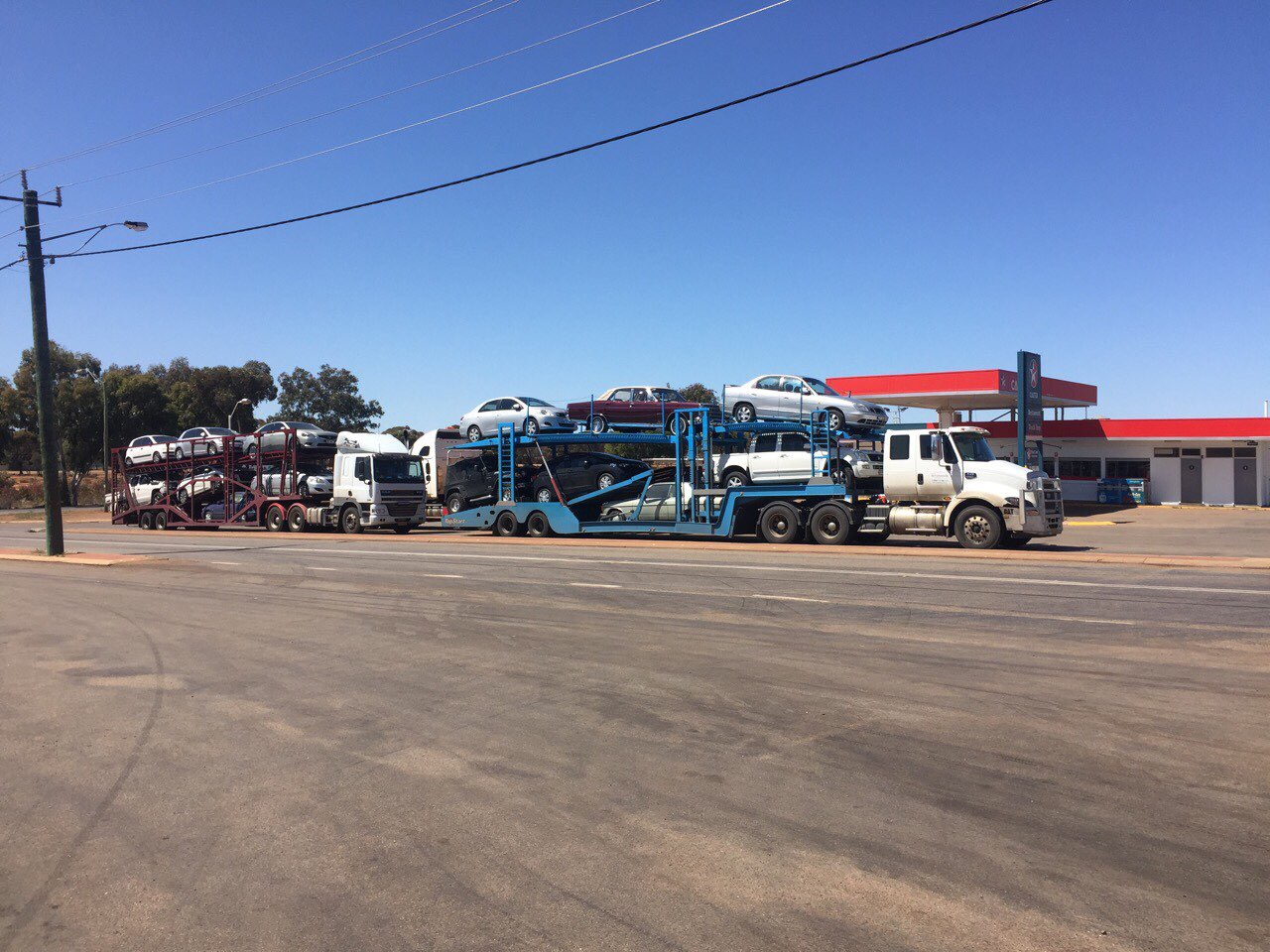
One of the biggest sources of confusion for first-time customers is terminology. Car freight, car shipping and car transport all describe the same core service in the Australian context: moving a vehicle from one location to another using a car carrier truck, rather than driving it yourself. "Shipping" doesn't necessarily mean sea freight here — it's just a common way Australians refer to interstate vehicle movement by road. You'll also see terms like "vehicle relocation" and "auto transport" used the same way.
Whichever term you search, the underlying process is identical: your vehicle is loaded onto a multi-car carrier (or a dedicated truck for larger items), transported along a set route, and delivered either to a depot or directly to an address. You can read more about how the process works on our car carrying page.
How Interstate Vehicle Transport Pricing Actually Works
Unlike a taxi fare or a courier parcel, car freight pricing isn't a simple distance-times-rate calculation. Carriers price routes based on a combination of distance, demand, vehicle type, service level (door-to-door versus depot-to-depot), and how full their trucks typically run on that route. This is why prices vary and the only reliable way to know your cost is to get an instant quote for your specific vehicle and route.
Per-Kilometre Pricing Isn't Linear
A common misconception is that longer trips should always cost proportionally more per kilometre than shorter ones. In practice, the opposite is often true. Longer, high-volume interstate corridors — like the east coast routes between Brisbane, Sydney and Melbourne — tend to have a lower effective cost per kilometre than short or thin routes. This is because fixed costs (loading, fuel, driver time, depot handling) are spread across a longer haul, and because these corridors run frequently enough that trucks are rarely travelling empty.
Corridor Pricing Explained
Rather than pricing every possible origin-destination pair from scratch, most car transport operators price by "corridor" — established freight lanes that carriers service regularly, such as Brisbane–Melbourne, Perth–Adelaide, or Sydney–Darwin. Corridors with regular scheduled runs are generally more competitively priced because operators can plan loads efficiently and keep trucks moving in both directions. Less common corridors, or those that require a detour off the main freight routes, often carry a premium because the carrier has to build in extra empty running or waiting time.
Brisbane to Melbourne Car Freight
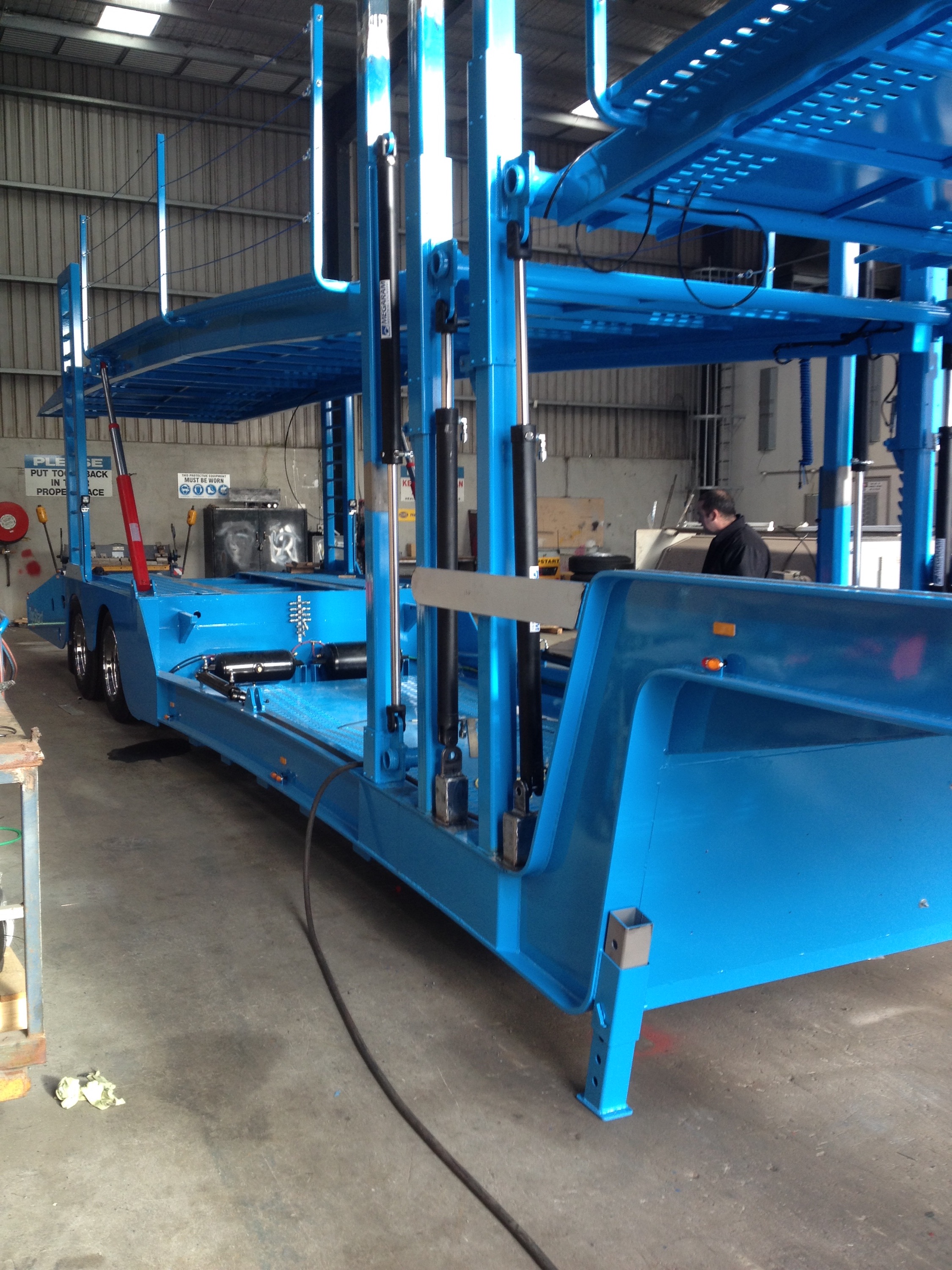
The Brisbane to Melbourne corridor is one of the busiest interstate vehicle transport routes in the country, running largely along the Newell and Hume Highways or the coastal route via Sydney. Because of the volume of freight moving in both directions — dealer stock, private sales, relocations — this lane typically has frequent scheduled departures and reasonably efficient per-kilometre pricing compared to shorter, less-travelled routes. Transit times are generally predictable given the well-established route, though weather, roadworks and seasonal demand can still cause variation. For current estimates, check our transit times page or request a quote for your exact dates.
Perth to Melbourne Car Shipping
Perth to Melbourne is a different story. This corridor covers a much longer distance across the Nullarbor, with far fewer alternative routes and significantly less return freight compared to the eastern seaboard. Trucks running west often have to plan carefully around return loads, and the isolation of Western Australia from the rest of the interstate network means fewer carriers service the route as frequently as, say, Brisbane–Sydney. As a result, Perth to Melbourne (and other Perth-origin or Perth-destination routes) commonly carries a higher per-kilometre rate than comparable east coast distances, even though it's a well-established and reliable corridor. This isn't a reflection of poor value — it's simply the economics of a long, less-backloaded route.
Why Some Corridors Cost More Per KM Than Others
Several factors combine to determine why one corridor is cheaper per kilometre than another:
- Freight volume and direction balance: Corridors with strong demand in both directions (for example, Melbourne to Sydney and back) let carriers keep trucks full more often.
- Backloading opportunities: If a carrier can pick up a return-direction vehicle rather than driving back empty, that efficiency can be reflected in more competitive pricing on both legs.
- Route remoteness: Long stretches with few towns, limited fuel stops or difficult road conditions (such as the Nullarbor or routes into the Northern Territory) add cost and risk.
- Fuel costs: Fuel prices and levies affect all freight, but longer or remote routes are more exposed to fluctuations — see our fuel levy page for more detail on how this is factored in.
- Seasonal demand: Popular relocation periods (end of financial year, school holidays, major capital city moves) can temporarily push corridor pricing up due to truck availability.
What Is Backloading and Why Does It Matter?
Backloading refers to a carrier filling return-direction capacity on a truck that would otherwise travel empty after delivering its outbound load. It's one of the main reasons interstate car transport can be more affordable than people expect, particularly on busy corridors. If your pickup or delivery dates have some flexibility, you may be able to take advantage of backload availability, since carriers are often keen to fill unused space rather than run empty. This flexibility won't suit everyone — if you need a fixed date, a scheduled direct service may suit better — but it's worth mentioning when you request your quote.
Other Factors That Affect Your Price
Beyond distance and corridor, a few vehicle and service factors also influence pricing:
- Vehicle size and type: Standard passenger cars, SUVs, utes, trucks, caravans and boats all have different handling, loading and space requirements. See our dedicated pages for trucks and vans, boats and jet skis, and trailers for specifics.
- Door-to-door versus depot-to-depot: Door-to-door delivery typically costs more than dropping off and collecting from a depot, since it requires a dedicated leg with the carrier's truck. Auto Mover Australia has depots in every state, so depot-to-depot is often the more economical choice if you can manage the drop-off and pickup yourself.
- Running condition: Non-running vehicles generally require extra equipment and handling time, which can affect pricing.
- Insurance and vehicle value: Higher-value vehicles may attract different insurance considerations.
Frequently asked questions
How much does it cost to send a car interstate?
It depends on the corridor, vehicle type, service level and timing, so there isn't a single fixed price. The only reliable way to know your actual cost is to get a quote based on your specific route and vehicle.
Why is Perth to Melbourne car transport more expensive per kilometre than Brisbane to Melbourne?
Perth to Melbourne covers a much longer distance across the Nullarbor with fewer alternative routes and less return freight, so fewer carriers service it as frequently. Brisbane to Melbourne has frequent freight moving in both directions, which keeps per-kilometre pricing more efficient.
Is car shipping the same as car transport in Australia?
Yes, terms like car freight, car shipping, car transport, vehicle relocation and auto transport all describe the same service of moving a vehicle by road on a car carrier truck. Shipping doesn't refer to sea freight in this context, just interstate movement by road.
Can I save money by choosing depot-to-depot instead of door-to-door delivery?
Yes, depot-to-depot is often more economical since door-to-door delivery requires a dedicated leg with the carrier's truck. If you can manage drop-off and pickup yourself, depot-to-depot may suit you better.
What is backloading and can it reduce my car transport cost?
Backloading is when a carrier fills return-direction capacity on a truck that would otherwise travel empty, which can make transport more affordable, particularly on busy corridors. If your pickup or delivery dates have some flexibility, you may be able to take advantage of backload availability.
Does a longer interstate route always cost more to transport a car?
Not necessarily on a per-kilometre basis, since longer, high-volume corridors like the east coast routes often have lower effective per-kilometre costs than short or thin routes. This is because fixed costs are spread across a longer haul and trucks on these routes are rarely travelling empty.
Getting an Accurate Quote
Because so many variables affect car freight pricing — corridor, vehicle type, service level, timing and backload availability — the only reliable way to know your actual cost is to get a quote based on your specific details. Generic "price guide" figures you might see elsewhere rarely reflect current fuel costs, seasonal demand or your particular route. If you'd like to understand the process further before booking, our FAQ page answers common questions, and our locations page lists depot details across the country.
Ready to see what your move will actually cost? Get an instant quote from Auto Mover Australia — trusted by 10,000+ happy customers for reliable interstate car, SUV, truck, boat and caravan transport across the country.