Car Carrier Australia: How Interstate Car Carriers Work, Load Limits and Pricing
Published 24/08/2026 · Updated 07/10/2026 · Auto Mover Australia
Moving a vehicle interstate is a routine part of life in Australia, whether you're relocating for work, buying a car from another state, or shipping a vehicle to a family member. Understanding how a car carrier actually works, what load limits apply, and how pricing is calculated will help you book with confidence and avoid surprises on delivery day.
What Is a Car Carrier?
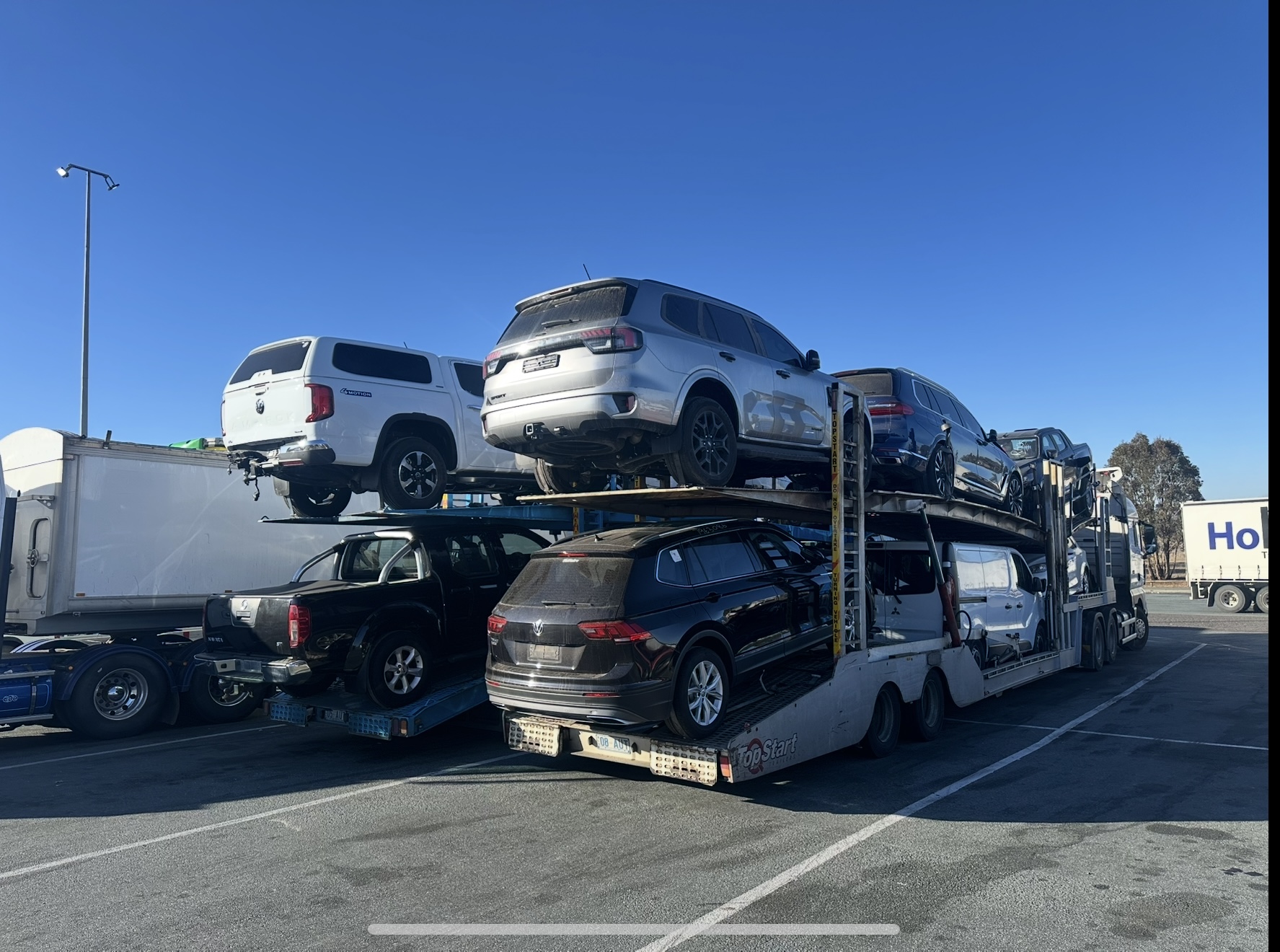
A car carrier is a purpose-built transport vehicle designed to move cars, SUVs and light vehicles safely over long distances. Most interstate carriers in Australia are multi-level trailers capable of carrying multiple vehicles at once, which keeps costs down by sharing the trip across several customers. Smaller single or tandem trailers are also used for tighter routes, oversized vehicles, or when a dedicated trip is required.
Carriers generally fall into two categories:
- Open carriers — the most common and cost-effective option, exposing vehicles to weather but posing minimal risk on well-maintained highway routes.
- Enclosed carriers — fully covered transport offered by specialist operators that protects vehicles from dust, debris and weather, typically used for classic cars, high-value vehicles or motorcycles. Auto Mover Australia moves all vehicles on open carriers.
For a closer look at how vehicles are loaded, secured and monitored during transit, see our dedicated car carrying page.
How Interstate Car Carriers Operate
Interstate carriers run scheduled routes between major capital cities and regional centres, with depots in every state to support both door-to-door and depot-to-depot service. Door-to-door pickup and delivery is more convenient, while depot-to-depot transport can be more economical if you're able to drop off and collect your vehicle yourself.
Once booked, your vehicle is inspected, photographed for a condition report, and loaded using hydraulic ramps or winches. Vehicles are secured with wheel straps or chains rated for highway travel, and carriers are loaded in a sequence that allows for efficient unloading along the route without disturbing other vehicles.
Because routes often service multiple stops, transit times can vary depending on how many vehicles are being picked up or dropped off along the way. If timing matters for your move, check our transit times page for typical timeframes between key locations.
Load Limits and Vehicle Restrictions
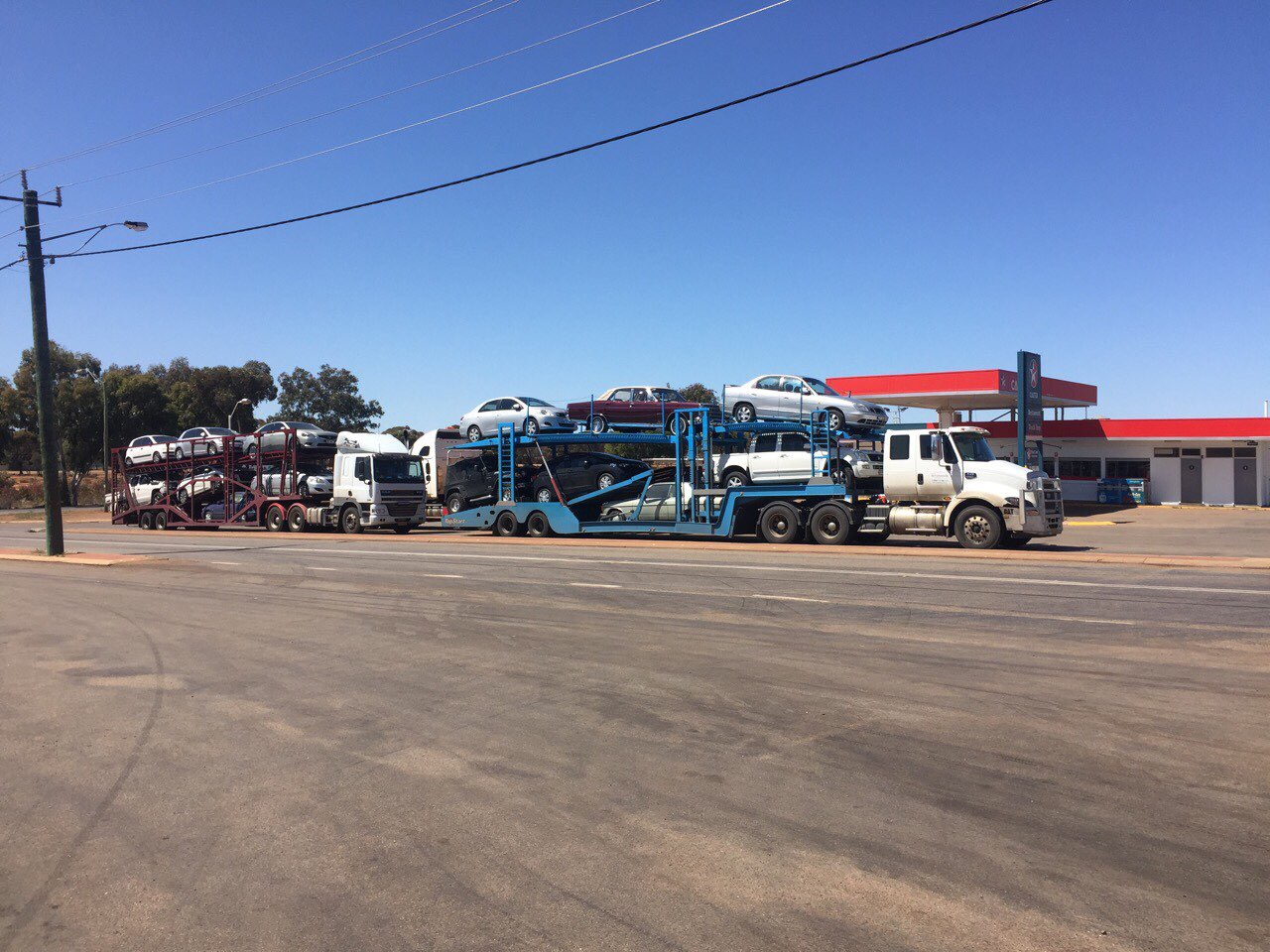
Every car carrier operates within legal load limits set by state and federal heavy vehicle regulations. These limits protect road safety and ensure the carrier itself remains roadworthy. Key factors that affect whether — and how — your vehicle can be transported include:
- Weight — standard passenger vehicles and SUVs are generally straightforward, but heavier 4WDs, utes and vans may require specific deck positioning or a different vehicle class of carrier.
- Height and ground clearance — lifted vehicles, roof racks, and low-clearance sports cars can affect loading angles and deck compatibility.
- Length and width — extended cabs, dual-cab utes with trays, and larger SUVs may take up more deck space, which can influence pricing.
- Modifications — aftermarket bull bars, roof-top tents, or non-standard suspension should always be disclosed at the time of booking.
- Running condition — most carriers require vehicles to be able to start, steer and roll for standard loading; non-runners often need special equipment and should be flagged in advance.
Trucks, vans and larger commercial vehicles fall outside standard car carrier limits and are transported differently — see our trucks and vans page for details. Boats, jet skis and trailers also have their own transport requirements, covered on our boats and jet skis and trailers transport pages.
What Affects Car Carrier Pricing?
Prices vary depending on a number of factors, and no two bookings are exactly the same. Rather than quote a flat rate, it's worth understanding what actually drives the cost of interstate car transport:
- Distance and route — well-serviced corridors between major capital cities are typically more competitively priced than remote or regional routes with lower carrier frequency.
- Vehicle size and weight — larger vehicles take up more deck space and add weight, which can affect how many vehicles fit on a single carrier run.
- Door-to-door vs depot-to-depot — door-to-door service adds convenience but generally costs more due to additional driving time and access considerations for suburban streets.
- Season and demand — peak relocation periods, end-of-financial-year sales, and school holiday periods can increase demand on popular routes.
- Fuel costs — like most freight and logistics services, a fuel levy may apply depending on current fuel prices; see our fuel levy page for how this is calculated.
- Insurance and vehicle value — higher-value vehicles may attract different insurance considerations, which can factor into the overall price.
Because pricing is genuinely variable, the most accurate way to find out what your move will cost is to get an instant quote using your specific vehicle details, pickup and delivery locations.
Booking and Preparing Your Vehicle
Booking an interstate car carrier is straightforward when you know what to expect. A typical process looks like this:
- Get an online quote based on your vehicle type, pickup and delivery locations, and preferred timing.
- Confirm your booking and choose door-to-door or depot-to-depot service based on your convenience.
- Prepare your vehicle — remove loose items, ensure less than a quarter tank of fuel, check for existing damage, and disclose any modifications.
- Vehicle is inspected and photographed at pickup, then loaded onto the carrier.
- Track your delivery timeframe and arrange collection or drop-off at the destination depot if applicable.
It's worth removing toll tags and personal belongings, and leaving only what's necessary in the vehicle. Most carriers have restrictions on carrying personal items inside transported vehicles for insurance and weight reasons.
Choosing a Reliable Interstate Carrier
With depots in every state, an established interstate car carrier should be able to offer flexible pickup and delivery options no matter where you're moving from or to. Look for a provider with clear condition reporting, transparent pricing, and responsive customer service. Auto Mover Australia is trusted by 10,000+ happy customers for interstate vehicle transport, and our team is available to answer questions before and during your move — visit our contact page if you need to speak with someone directly, or browse our FAQ for answers to common questions about load limits, insurance and timing.
You can also check our locations page to confirm depot availability near you, or read more transport tips on our blog. To learn more about our approach to vehicle transport, visit our About page.
Frequently asked questions
How much does it cost to send a car interstate?
Pricing isn't a flat rate - it depends on things like distance and route, vehicle size and weight, whether you choose door-to-door or depot-to-depot service, seasonal demand, fuel levies, and the vehicle's value for insurance purposes. The most accurate way to find out your cost is to get an instant quote with your specific vehicle and location details.
How long does it take for an interstate car carrier to deliver my vehicle?
Transit times vary because carriers often service multiple pickups and drop-offs along their route, so timing depends on how many vehicles are being loaded or unloaded along the way. If timing is important, it's worth checking typical timeframes between your specific locations.
Can I transport a car that doesn't start or run?
Most carriers need a vehicle to be able to start, steer and roll so it can be loaded using standard ramps or winches. If your car is a non-runner, this should be flagged at the time of booking so special loading equipment can be arranged.
What's the difference between door-to-door and depot-to-depot transport?
Door-to-door service means your vehicle is picked up and delivered directly to your chosen addresses, which is more convenient but generally costs more due to extra driving and access considerations. Depot-to-depot transport can be more economical if you're happy to drop off and collect the vehicle yourself.
Can I leave personal belongings in the car during transport?
Most carriers have restrictions on carrying personal items inside transported vehicles for insurance and weight reasons. It's best to remove loose items and toll tags and leave only what's necessary in the car before pickup.
Do I need to tell the carrier about modifications like bull bars or roof racks?
Yes, aftermarket modifications such as bull bars, roof-top tents or non-standard suspension should always be disclosed when booking. This helps the carrier plan correct deck positioning and loading angles for your vehicle.
Ready to Move Your Vehicle?
Interstate car carriers make it simple to move a vehicle across Australia without putting the kilometres on it yourself. Whether you need door-to-door convenience or a cost-effective depot-to-depot option, understanding load limits and pricing factors upfront helps you plan with confidence. Get an instant quote today and see exactly what your interstate car transport will involve.