Campervan & Motorhome Transport Interstate: How It Works and What It Costs
Published 20/08/2026 · Updated 07/10/2026 · Auto Mover Australia
Whether you've just bought a motorhome interstate, are relocating with your campervan, or simply don't want to put thousands of kilometres on the clock before your next big trip, shipping a campervan or motorhome between states is often more practical than driving it yourself. This guide explains how interstate campervan and motorhome transport actually works in Australia, what affects cost, and what to check before booking — with a specific look at the popular Adelaide to Perth and Perth to Melbourne corridors.
How interstate campervan and motorhome transport works
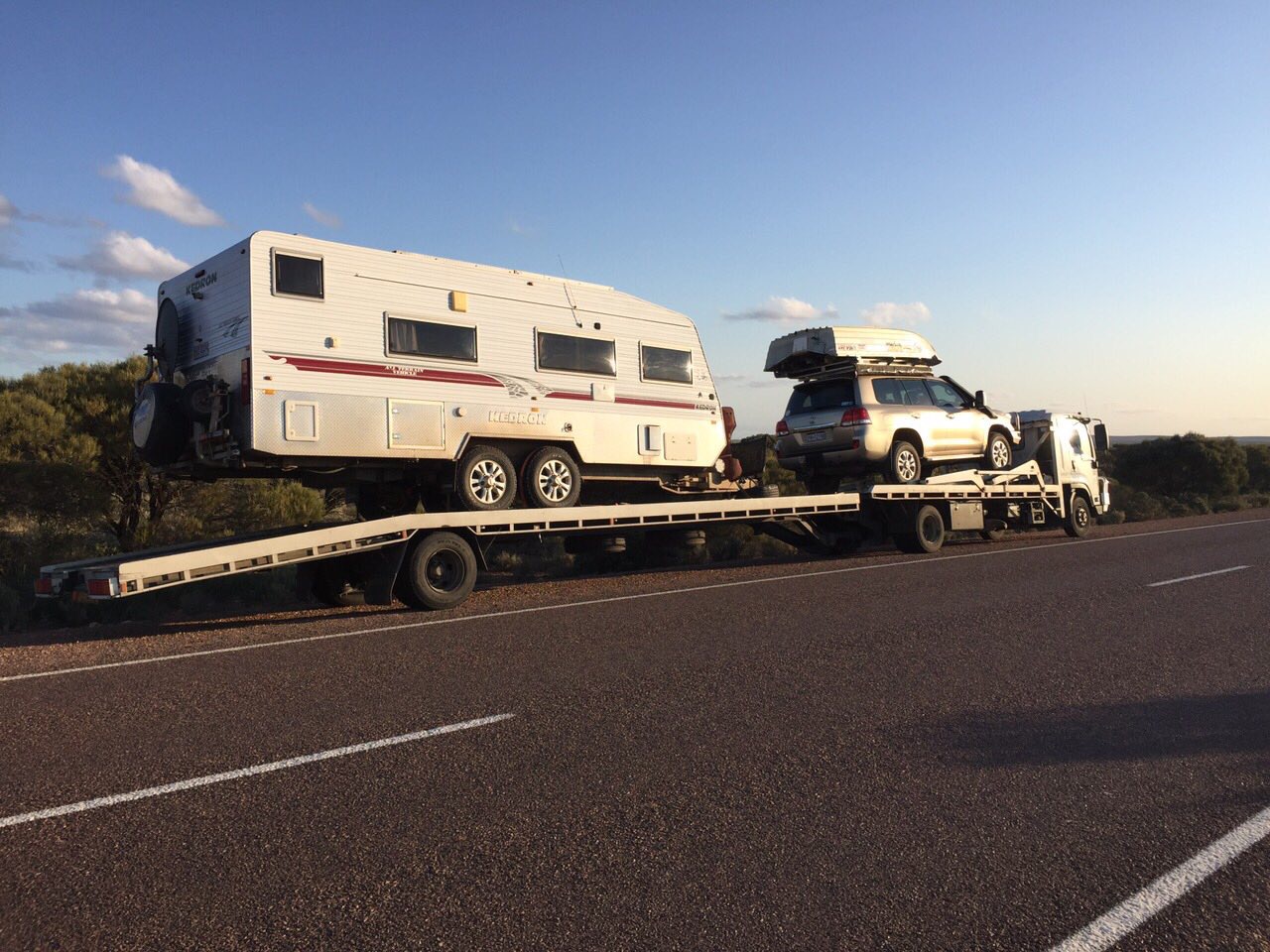
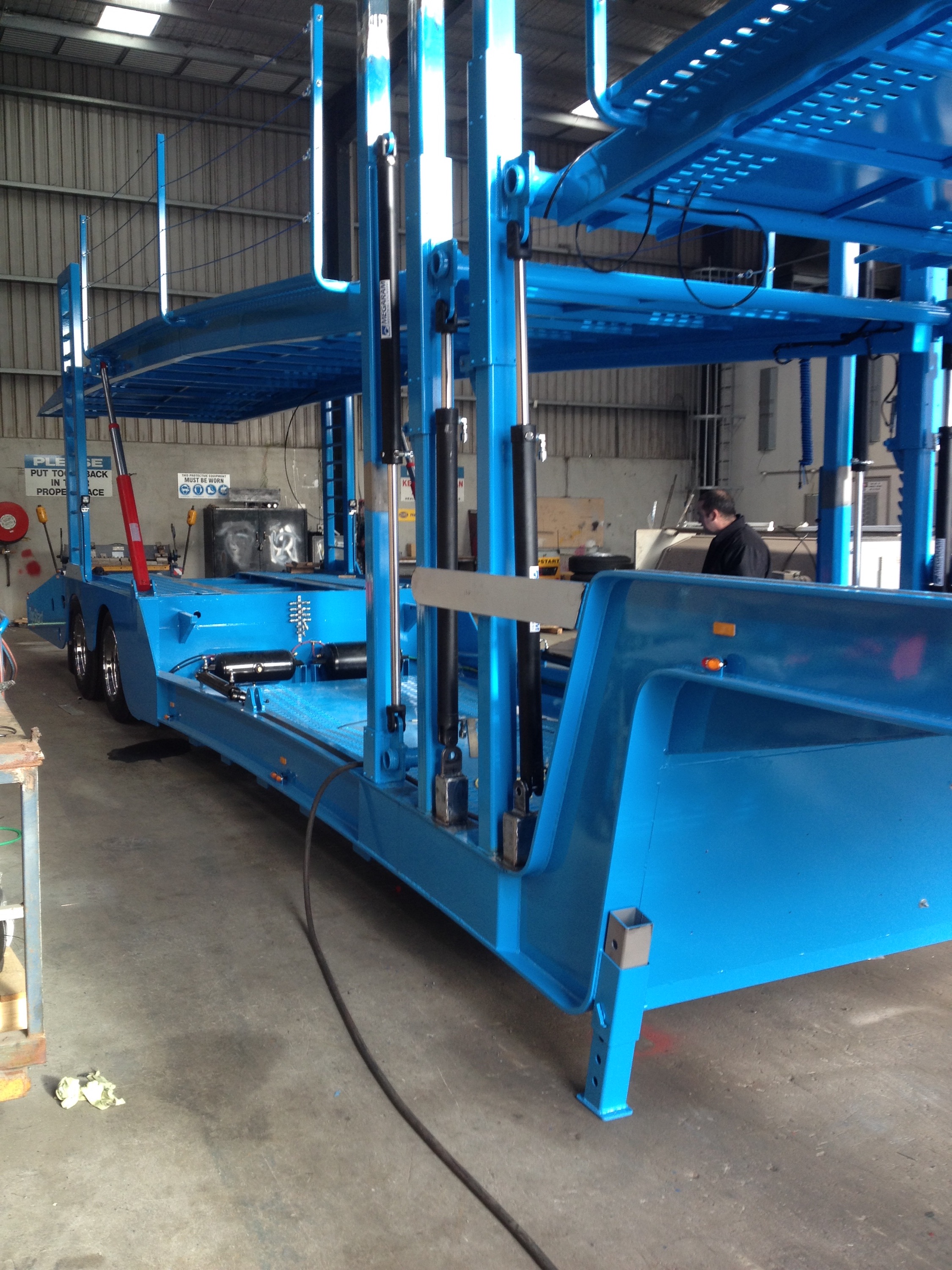
Campervans and motorhomes are transported using purpose-built car and vehicle carriers rather than standard removalist trucks. Because these vehicles are taller, longer and heavier than an average car, not every carrier or route can accommodate them — this is where working with a specialist transport company matters.
Open transport explained
Most campervans and motorhomes travel on open transport, meaning they're carried on an open trailer or deck rather than inside an enclosed truck. Open transport is the standard, cost-effective method for motorhomes and campervans nationally, and it's perfectly safe for these vehicles — they're built to handle exposure to weather and road conditions anyway, unlike a show car needing enclosed protection. Auto Mover moves campervans and motorhomes on open carriers only; enclosed transport does exist, but it's rarely necessary for this vehicle type and is offered by specialist operators rather than through Auto Mover.
Depot vs door-to-door
You'll generally choose between two service levels:
- Depot-to-depot: you drop your campervan at a depot near your origin, and collect it from a depot near your destination. This is usually the more economical option since it reduces detours for the carrier.
- Door-to-door: the carrier collects from your home or storage facility and delivers directly to your destination address. This adds convenience, particularly for larger motorhomes that are awkward to drive to a depot, but access can be limited on narrow suburban streets, so it pays to confirm truck access at both ends.
Many customers mix the two — for example, dropping at a depot but requesting door delivery. Check depot locations near you before deciding which combination suits your move.
Height, length and weight considerations
This is the single biggest factor separating campervan and motorhome transport from ordinary car transport. Before booking, you'll need to know:
- Overall height — including roof-mounted air conditioners, satellite domes, solar panels, awnings and roof racks. Carriers need this to plan loading position and route clearances (bridges, tunnels, overpasses).
- Overall length — from front bumper to the rear of any towbar, bike rack or bumper-mounted spare wheel.
- Width — including any pop-out slide-outs (retracted for transport) or extended mirrors.
- Gross vehicle mass (GVM) — larger motorhomes on truck chassis can be significantly heavier than a standard vehicle, which affects which carrier and route can be used.
Because these dimensions vary so much between a small campervan conversion and a large bus-based motorhome, transport is typically quoted individually rather than at a flat rate. Being upfront with accurate measurements when you get an instant quote helps avoid surprises or rescheduling on pickup day. If you're unsure how your vehicle compares to a standard car or truck for transport purposes, our trucks and vans transport page has more detail on how larger vehicles are handled.
Campervan transport from Adelaide to Perth
The Adelaide to Perth route crosses the Nullarbor, one of the longest and most remote stretches of highway in the country. For self-driving, this run takes several days and involves long distances between fuel and services — a major reason travellers choose to ship their campervan or motorhome instead and fly across. When arranging transport on this corridor, keep in mind:
- Depot-to-depot is common here, as it fits efficiently into scheduled carrier runs along this route.
- Transit times are naturally longer given the distance, so book with some buffer either side of your travel plans — see typical transit times for planning.
- Remote-route surcharges and fuel costs can factor into pricing on this corridor; always confirm current fuel levy settings when getting your quote, since long-haul routes are more sensitive to fuel price movements.
Campervan transport from Perth to Melbourne
Perth to Melbourne is an even longer haul, often run in combination with other eastern states freight. This is a popular route for grey nomads relocating a motorhome after purchasing it in WA, or Melbourne owners bringing a van home after a west coast trip. Considerations specific to this corridor include:
- Given the distance, scheduling flexibility helps — carriers consolidate loads along this corridor, so booking a little ahead of your ideal dates can open up more availability and better pricing.
- Door-to-door pickup in Perth suburbs and door delivery in Melbourne is available depending on street access, but depot drop-off/collection remains the most budget-friendly choice for this route.
- As with any long interstate run, prices vary depending on season, vehicle size and current demand — request a quote for an accurate, current figure rather than relying on rough estimates.
What affects the cost
Rather than quote fixed prices (which vary by vehicle size, route, season, and door vs depot service), it's more useful to understand the main cost drivers:
- Vehicle length, height and weight
- Distance and specific corridor (remote routes like the Nullarbor crossing add complexity)
- Depot-to-depot versus door-to-door service
- Current fuel levy and seasonal demand
- Any special access requirements at pickup or delivery
The most reliable way to get an accurate figure is to get an instant quote using your specific dimensions and route.
Frequently asked questions
How much does it cost to ship a campervan or motorhome interstate?
There's no fixed price because cost depends on the vehicle's length, height and weight, the distance and route, whether you choose depot-to-depot or door-to-door service, current fuel levy and seasonal demand, and any special access requirements. The best way to get an accurate figure is to request an instant quote with your vehicle's specific dimensions and route.
Can I get my campervan picked up from my house instead of a depot?
Yes, door-to-door service is available where a carrier collects from your home or storage facility and delivers to your destination address. Access can be limited on narrow suburban streets though, so it's worth confirming truck access at both ends before booking.
Is open transport safe for a motorhome or campervan?
Yes, open transport on an open trailer or deck is the standard, cost-effective method for campervans and motorhomes and is considered perfectly safe, since these vehicles are already built to handle weather and road exposure.
How long does it take to transport a campervan from Adelaide to Perth or Perth to Melbourne?
Both routes are long-haul, with the Nullarbor crossing on the Adelaide to Perth run and the Perth to Melbourne route being an even longer distance, so transit naturally takes longer than shorter interstate moves. It's recommended to book with some buffer either side of your travel plans and check typical transit times when planning.
What do I need to do to prepare my campervan before transport?
You should measure and record height, length and width including all fittings, empty the water tanks, secure or remove loose items inside, retract slide-outs, awnings and antennas, and disconnect or isolate gas bottles. It also helps to photograph the vehicle, remove external bike racks, and have your registration, keys and access fobs ready for handover.
Why does a campervan or motorhome cost more to transport than a regular car?
Campervans and motorhomes are taller, longer and heavier than an average car, which affects which carrier and route can be used and means transport is typically quoted individually rather than at a flat rate. Being upfront with accurate measurements when getting a quote helps avoid surprises or rescheduling on pickup day.
Preparation checklist
Before handover, work through this checklist to keep loading smooth and avoid delays:
- Measure and record height, length and width accurately, including all fittings.
- Empty water tanks (grey and fresh) to reduce weight and avoid leaks in transit.
- Secure or remove loose items inside — cupboards, drawers, TVs and awnings should be locked or stowed.
- Retract any slide-outs, awnings and antennas fully.
- Disconnect gas bottles or ensure they're isolated per carrier requirements.
- Photograph the exterior and interior for your own condition record.
- Remove or secure external bike racks and loose accessories.
- Ensure registration, keys and any access fobs are ready to hand over.
- Confirm your chosen depot address or door access requirements ahead of time.
For answers to common questions about insurance, cancellations and how bookings work, visit our FAQ page, or get in touch via Contact us if your vehicle has unusual dimensions or special handling needs. You can also read more about our approach on the About us page — we're trusted by 10,000+ happy customers moving vehicles, boats, trailers and motorhomes across Australia.
Ready to move your campervan or motorhome interstate without the long drive? Get an instant quote today and find out how straightforward interstate transport can be.