Moving a Whole Fleet? A Business Guide to Bulk Vehicle Transport Interstate
Published 14/09/2026 · Updated 07/10/2026 · Auto Mover Australia
Relocating a single car interstate is straightforward enough, but moving an entire fleet is a different challenge altogether. Whether you're shifting a rental car fleet, a set of company utes, a dealership's stock, or a mixed collection of trucks, vans and trailers, bulk vehicle transport requires more planning, clearer communication and a transport partner who can handle scale without dropping the ball on individual vehicles.
This guide walks through what Australian businesses need to consider when arranging bulk interstate vehicle transport, from scheduling and documentation through to choosing the right service model for your fleet.
Why Fleet Transport Is Different From a Single-Vehicle Move
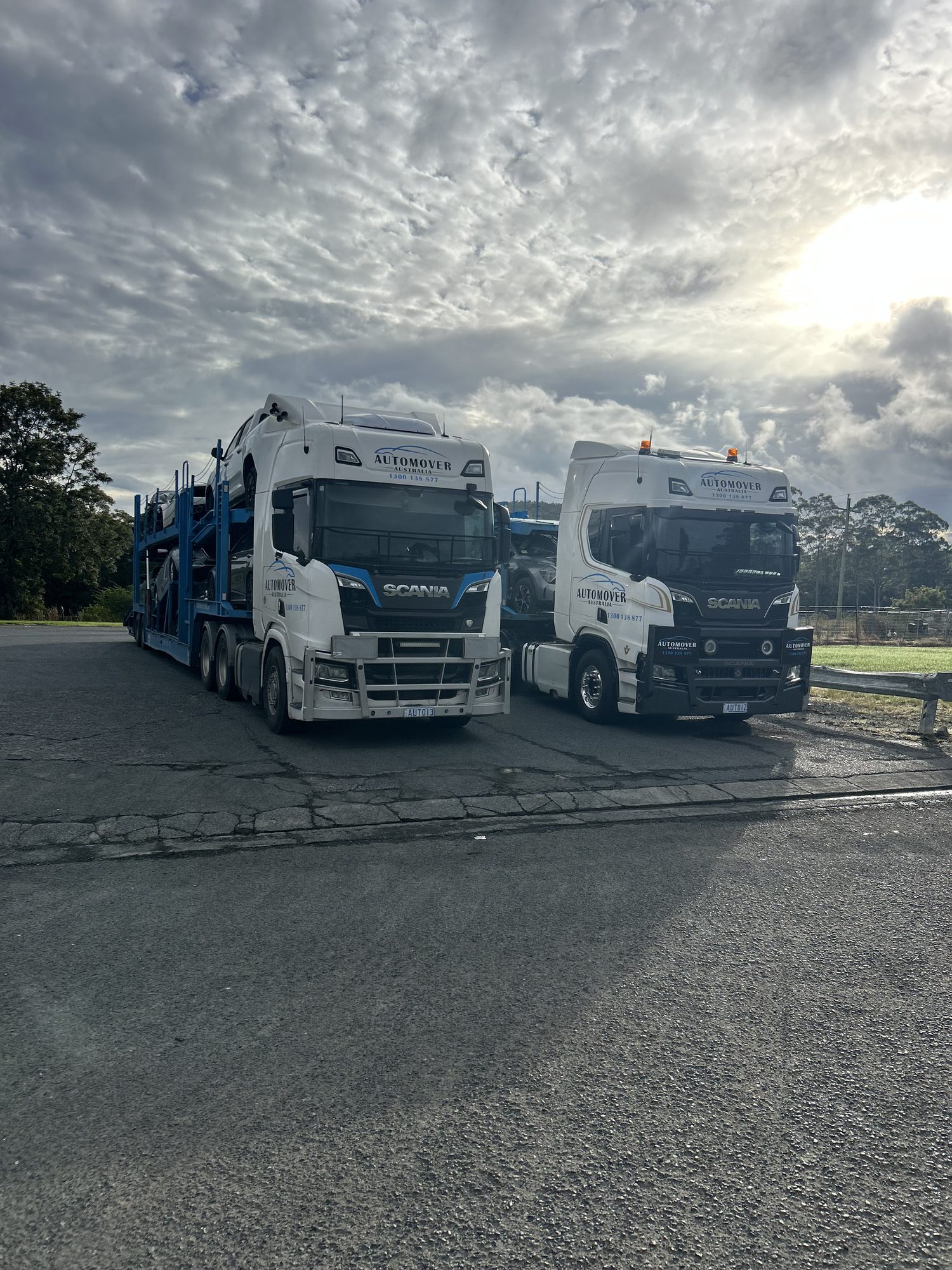
Moving ten, fifty or a hundred vehicles at once introduces variables that don't apply to a one-off car transport booking. You're likely dealing with:
- A mix of vehicle types, such as sedans, SUVs, light commercial vans and heavier trucks
- Multiple pickup and delivery points across different states
- Staggered timing, where some vehicles need to arrive before others
- Compliance and paperwork requirements for each vehicle
- A need for predictable costs across the whole job, not just one transaction
A transport provider that's set up for bulk moves will have the depot network, carrier capacity and administrative systems to manage all of this without treating your fleet as a series of disconnected bookings.
Step One: Audit Your Fleet Before You Book
Before requesting quotes, put together a clear inventory of what needs to move. This should include:
- Vehicle type and size (cars, SUVs, vans, trucks, trailers, or even boats and jet skis if your business operates a marine fleet)
- Registration and VIN details for each vehicle
- Current location and required destination for every unit
- Whether each vehicle is roadworthy and driveable, or needs to be transported as non-running stock
- Any modifications, oversized dimensions or special handling needs
Having this information ready speeds up the quoting process significantly and helps the transport company allocate the right carriers from the start. If your fleet includes heavier commercial vehicles, it's worth reviewing the trucks and vans transport options separately from standard passenger vehicles, since these often require different loading equipment and carrier types.
Choosing Between Door-to-Door and Depot-to-Depot
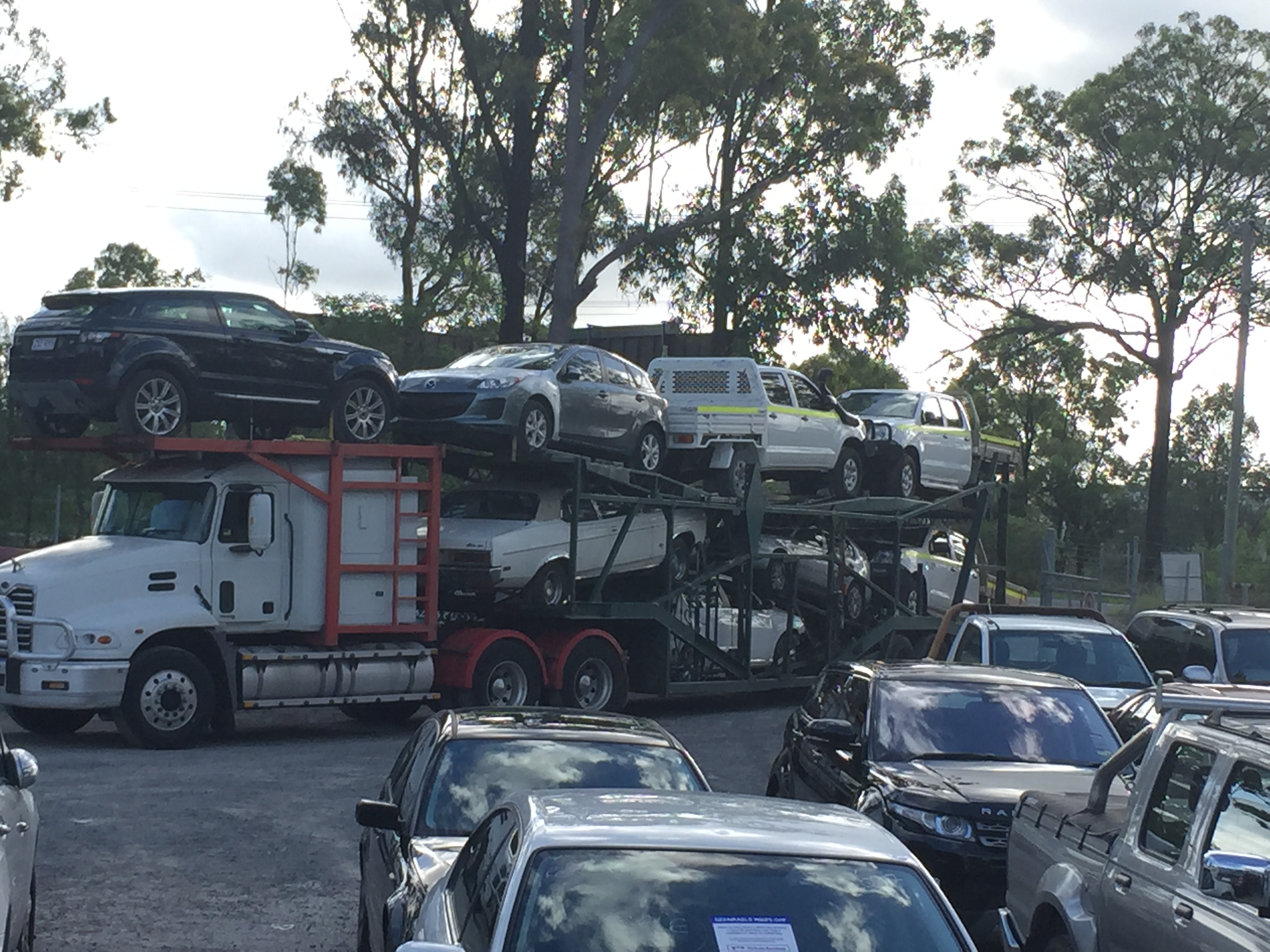
For fleet moves, the choice between door-to-door and depot-to-depot service can materially affect both cost and logistics complexity.
Door-to-Door
This option collects and delivers vehicles directly at specified addresses, which is useful when vehicles are spread across different sites or when minimising internal handling is a priority. It's generally the more convenient option for smaller fleets or high-value vehicles.
Depot-to-Depot
With a national depot network, businesses can drop off and collect vehicles at fixed locations, which often works better for larger fleets moving in batches. This model can simplify scheduling when you're coordinating dozens of vehicles at once, and it allows for more flexible pickup and collection windows. Check depot locations in the states you're moving between to see what's available near your sites.
Scheduling a Multi-Vehicle Move
Timing is often the biggest headache in bulk transport. Some practical approaches:
- Batch your fleet by priority. Identify which vehicles are needed first at the destination and which can follow later.
- Build in buffer time. Interstate transit isn't instant, and larger jobs may require multiple carrier runs. Review transit times for the specific routes involved so you can set realistic expectations internally.
- Coordinate with site availability. Make sure destination depots or delivery addresses can actually receive vehicles on the days scheduled, particularly if you're delivering dozens of units in a short window.
- Communicate with drivers and staff. If vehicles are being collected from operational sites, make sure staff know when carriers will arrive and who is responsible for handover.
Documentation and Compliance
Bulk transport multiplies the paperwork, so it pays to get organised early. For each vehicle you'll typically need:
- Proof of ownership or authorisation to transport (important for leased or financed fleet vehicles)
- Registration details, especially if vehicles are being re-registered in a different state
- Condition reports or photos taken before transport, which are useful for both your own records and any claims process
- Any permits required for oversized or non-standard vehicles, such as certain trucks or trailers
If your fleet includes trailers, caravans or boats, check the specific requirements on the trailer transport or boats and jet ski transport pages, as these vehicle types often have additional loading and securing considerations compared to standard cars.
Understanding Costs for Bulk Moves
Prices for bulk vehicle transport vary depending on vehicle type, distance, number of units, and how flexible your scheduling is. Businesses moving a large number of vehicles at once may be able to negotiate better overall value than booking each vehicle individually, but the exact figures depend on your specific fleet and route. Rather than guessing, it's best to get an instant quote with your full vehicle list so you receive an accurate, itemised price.
It's also worth understanding how fuel costs are factored into interstate freight pricing. Transport companies typically apply a variable charge tied to fuel prices at the time of transport — see the fuel levy explanation for more detail on how this is calculated and why it can shift between bookings.
Working With One Provider Instead of Multiple Carriers
Some businesses try to save money by splitting a fleet move across several smaller transport operators. In practice, this usually creates more administrative overhead, inconsistent condition reporting, and difficulty tracking vehicles that are moving on different schedules. Consolidating a bulk move with a single provider that has car carrying capability alongside truck, van and trailer services means one point of contact, one set of paperwork standards, and a consistent process across every vehicle in the fleet.
A provider with a genuine national footprint and a track record of moving vehicles for individuals and businesses alike — trusted by 10,000+ happy customers — is generally better placed to manage the coordination that bulk fleet transport demands.
Questions to Ask Before You Commit
- Can the provider handle mixed vehicle types in the same booking (cars, vans, trucks, trailers)?
- What happens if a vehicle isn't roadworthy or won't start on collection day?
- How is damage or condition disputed vehicles handled during a large batch move?
- What insurance coverage applies across the whole fleet, and are there any exclusions for commercial vehicles?
- Can pickup and delivery dates be adjusted if your business schedule changes?
Most of these answers can be found by checking the FAQ page, and anything specific to your fleet is best clarified directly with the transport provider before you finalise a booking.
Frequently asked questions
How much does it cost to move a whole fleet of vehicles interstate?
Costs depend on vehicle type, distance, number of units and how flexible your scheduling is. Moving a large number of vehicles together may offer better overall value than booking each one individually, but you'll need to get an instant quote with your full vehicle list for an accurate, itemised price.
Can I mix cars, vans, trucks and trailers in the one booking?
Yes, a provider set up for bulk moves can handle a mix of vehicle types in the same job, though heavier commercial vehicles and trailers often need different loading equipment and carrier types, so it's worth reviewing those options separately when planning.
What's the difference between door-to-door and depot-to-depot transport for a fleet?
Door-to-door collects and delivers vehicles directly at specified addresses, which suits smaller fleets or high-value vehicles spread across different sites. Depot-to-depot uses fixed drop-off and collection points and can simplify scheduling when coordinating larger fleets moving in batches.
What documents do I need to prepare for each vehicle before transport?
Typically you'll need proof of ownership or authorisation to transport, registration details, condition reports or photos taken beforehand, and any permits required for oversized or non-standard vehicles. Leased or financed fleet vehicles may need extra authorisation paperwork.
Is it better to use one transport provider or split the fleet across several carriers?
Splitting a fleet move across multiple smaller operators usually creates more administrative overhead, inconsistent condition reporting and difficulty tracking vehicles on different schedules. Using a single provider that handles cars, trucks, vans and trailers gives one point of contact and a consistent process across the whole fleet.
What happens if a vehicle isn't roadworthy or won't start on collection day?
This is one of the key questions to clarify directly with your transport provider before booking, since the article notes it's best answered specifically for your fleet rather than assumed. Checking the FAQ page or speaking with the team directly can confirm how this is handled.
Planning Ahead Saves Time and Money
The businesses that get the smoothest results from bulk vehicle transport are the ones that plan early: auditing the fleet, deciding between door-to-door and depot-to-depot, sorting documentation in advance, and locking in realistic timelines. Leaving a large fleet move until the last minute tends to lead to rushed bookings, higher costs and avoidable delays.
If you'd like to discuss a large or complex fleet move directly with a member of the team, you can reach out via the contact page, or read more about how the company operates on the about page before booking.
Ready to move your fleet? Get an instant quote today and get accurate, no-obligation pricing for every vehicle in your business fleet.