Brisbane to Melbourne Car Transport for Non-Running Vehicles: Your Options Explained
Published 13/10/2026 · Auto Mover Australia
Yes, a non-running car can be transported from Brisbane to Melbourne, provided the carrier is told in advance so the right equipment (a winch-equipped trailer or hydraulic tilt tray) is booked. Car transport on this route starts from $495 for a standard running sedan, depot-to-depot, at the time of writing, with non-running vehicles typically attracting a small surcharge for the extra loading time and equipment. Transit is usually 3–8 business days over the roughly 1,680 km route, depending on carrier schedules and whether you choose depot or door delivery.
Why non-running vehicles need special handling
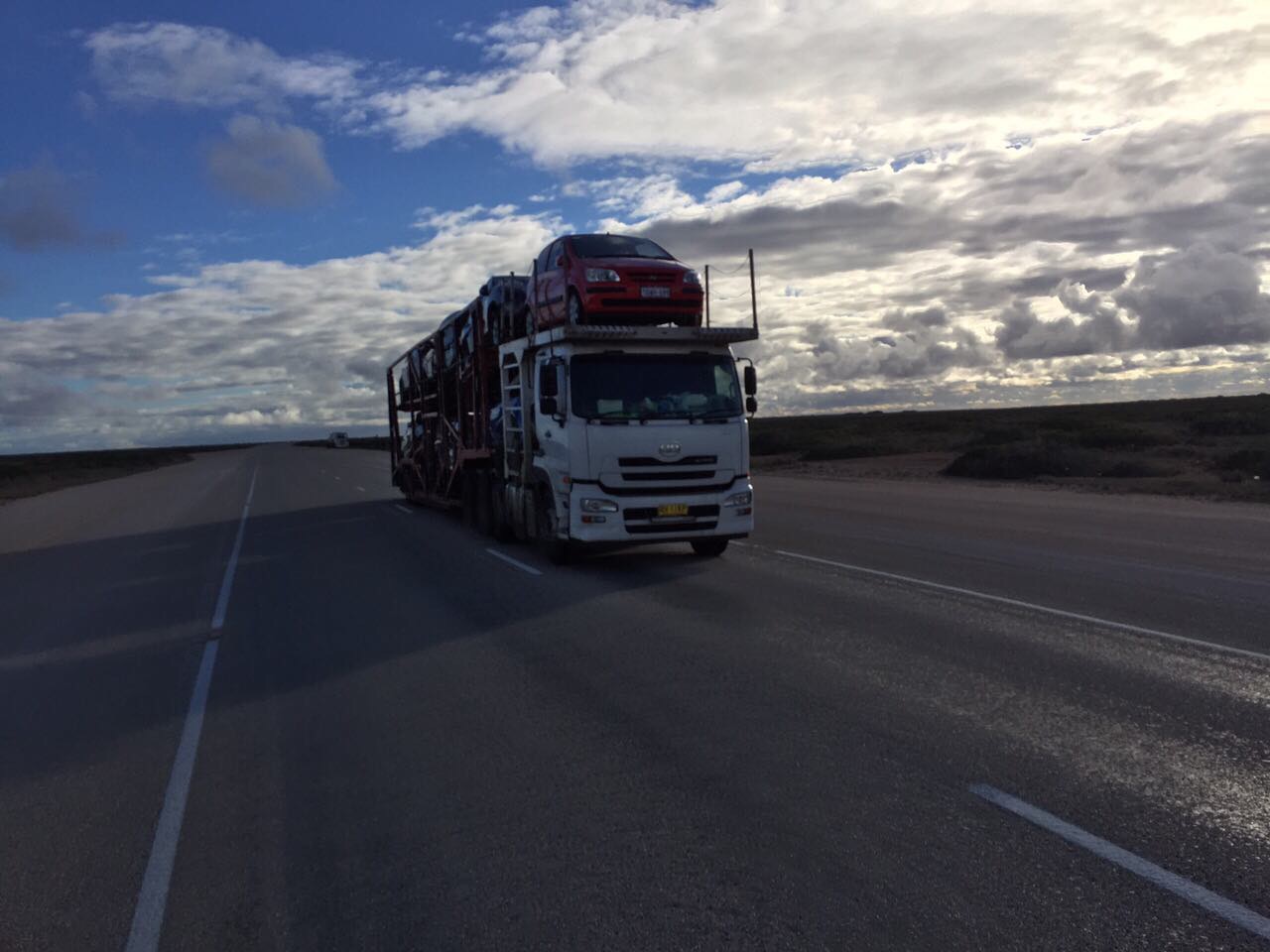
Most car carriers load vehicles by simply driving them up a ramp onto the trailer. A car that won't start, has a flat tyre, a seized engine, or no brakes can't be driven on in the usual way, so it has to be winched or towed into position instead. This takes longer, needs a trailer fitted with a winch or a flatbed-style tilt tray, and sometimes requires an extra set of hands at the depot. That's why it's essential to disclose that a vehicle is non-running when you book, rather than discovering it on pickup day — undisclosed non-running vehicles can cause delays or refused collection.
"Non-running" covers a range of situations, and it's worth being specific when you request your quote:
- Flat battery or electrical fault (won't start but steers and rolls freely)
- Mechanical failure such as a blown engine or gearbox (won't start, may not roll)
- No brakes or a seized brake system
- Flat or missing tyres
- Accident-damaged or written-off vehicles being moved for salvage, repair, or resale
The more detail you give, the more accurate your quote and the smoother the loading day.
Depot-to-depot vs door-to-door: your two main options
For this route, vehicles move between the Stapylton depot (6 Elliot Drive, Stapylton QLD 4207, on the M1 between Brisbane and the Gold Coast, about 35 minutes south of the Brisbane CBD) and the Craigieburn depot (4/54 Potter St, Craigieburn VIC 3064, in Melbourne's north just off the Hume Freeway).
- Depot-to-depot is the cheaper option and the one reflected in the from-price above. You (or a tow truck, if the car genuinely can't be driven at all) bring the vehicle to the Stapylton depot, and collect it from Craigieburn once it arrives.
- Door-to-door collection and delivery is available at both ends for an extra charge that depends on how far your pickup or drop-off address is from the depot. For a non-running car, this is often the more practical choice, since arranging a local tow to the depot yourself can be more hassle than it's worth.
You can mix and match — for example, door pickup in Brisbane paired with depot pickup in Melbourne — if that suits your situation. See the full car transport Brisbane to Melbourne route page for more on how the service works end to end, or browse our depot locations around the country if you need a different route.
How non-running cars are loaded and secured
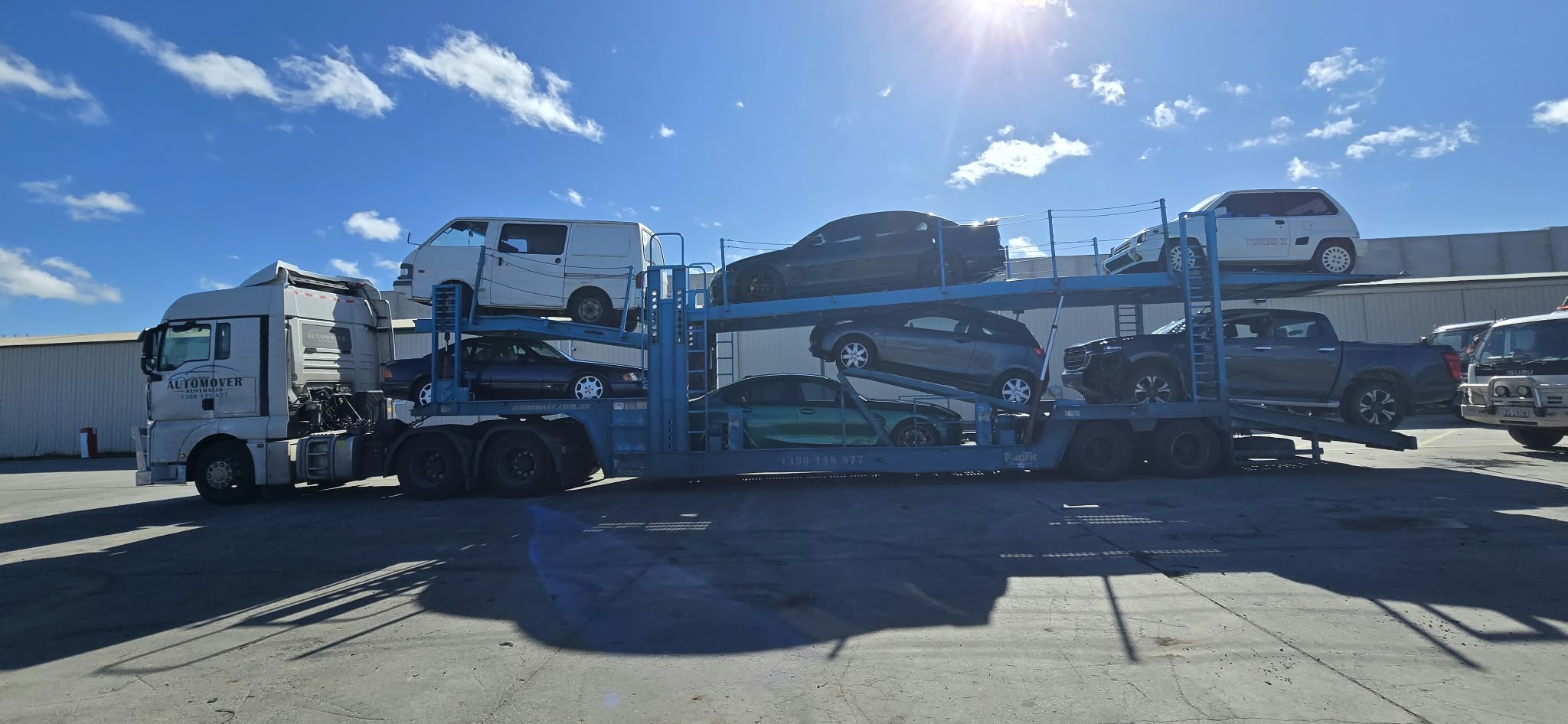
Carriers use one of two methods for a vehicle that can't be driven on under its own power:
- Winching — the car is attached to a cable and pulled up the ramp onto the trailer deck. This works well for vehicles that roll freely and steer but simply won't start.
- Hydraulic tilt tray or forklift-style loading — used for cars that won't roll at all, such as those with seized wheels or no tyres. The deck tilts to ground level, or the vehicle is lifted, rather than being dragged up an incline.
Once loaded, the vehicle is strapped down at all four wheels just like a running car, so it travels securely regardless of how it got onto the trailer. If your vehicle is a heavier commercial unit rather than a passenger car, the same principles apply — see truck and van transport for larger non-running vehicles, and note that boats, caravans, and trailers each have their own handling requirements under boat and jet ski transport, caravan transport, and trailer transport if you're moving more than one item.
What affects the cost of moving a non-running car
Exact pricing varies by vehicle condition, size, and the collection/delivery option you choose, so the most reliable way to get a figure is to get an instant quote with your vehicle's details entered accurately. In general, expect the quote to be shaped by:
- Whether the car runs, rolls, and steers, or needs full winching/lifting
- Vehicle size and weight (a non-running 4WD or ute needs more equipment than a small hatchback)
- Depot-to-depot versus door-to-door at either end
- How the vehicle gets to the depot if you're not using door pickup (a local tow truck may be needed)
Separately, interstate transport quotes typically exclude the fuel levy, which is applied based on current fuel costs — you can read how that's calculated on our fuel levy page so there are no surprises on your invoice.
How long does it take?
Brisbane to Melbourne is about 1,680 km by road, and typical transit for this route is 3–8 business days depot to depot. Non-running vehicles don't usually add days to the transit itself, but they can add time at the loading or unloading stage, and booking lead times may be slightly longer if a winch-equipped trailer needs to be scheduled specifically for your vehicle. For a broader look at how timeframes are estimated across different interstate routes, see our transit times guide.
Getting your non-running vehicle ready
- Tell the carrier upfront that the vehicle is non-running, and describe exactly why (flat battery, no brakes, seized engine, etc.)
- Make sure the handbrake is either working or clearly disengaged, as instructed by the carrier — a seized handbrake can complicate winching
- Remove loose and personal items from the car, as most carriers don't cover belongings left inside
- Have the key and any fobs ready, even if the car won't start, since steering locks sometimes need to be released with the key
- Confirm who is responsible for getting the car to the depot if you're not using door pickup — a non-running car generally needs a local tow truck
If you're unsure whether your situation counts as "non-running" for booking purposes, our team can talk it through — see contact us or browse general questions on the FAQ page. You can also learn more about how we handle vehicles of all kinds on the car carrying page, or find out more about the company via About and our blog.
Frequently asked questions
How much does it cost to transport a non-running car from Brisbane to Melbourne?
Standard running sedans start from $495 depot-to-depot at the time of writing, excluding the fuel levy. Non-running vehicles usually cost a bit more due to the extra loading equipment and time required, so it's best to get a tailored quote with your vehicle's exact condition noted.
Can a car that won't start be transported interstate?
Yes, as long as you disclose that it's non-running when booking so the carrier can send a trailer fitted with a winch or hydraulic tilt tray. Vehicles that won't roll at all (seized wheels, no tyres) can still be moved, but may need lifting rather than winching.
How long does transport take from Brisbane to Melbourne?
Typical transit is 3–8 business days depot to depot over the roughly 1,680 km route. Door-to-door collection or delivery, and the extra care needed for non-running vehicles, can occasionally add a day or two to overall scheduling.
Do I need to get the car to the depot myself?
For depot-to-depot bookings, yes — and if the car genuinely can't be driven, you'll likely need a local tow truck to get it to the Stapylton depot. Choosing door-to-door collection avoids this, as the carrier comes to you instead.
Will I be charged a fuel levy on top of the quoted price?
Yes, the fuel levy is separate from the base transport price and is calculated based on current fuel costs — see the fuel levy page for details. It applies to both running and non-running vehicle bookings.
Can I transport other vehicles or items alongside my non-running car?
Often yes, depending on carrier space and vehicle type — trucks, vans, boats, caravans, and trailers can all be arranged through us, though each has its own handling requirements. Mention everything you need moved when you request your quote so it can be planned into the same booking where possible.
Ready to book?
Whether your vehicle rolls, steers, or needs a full winch onto the trailer, getting it from Brisbane to Melbourne is easier than most people expect once the right equipment is arranged. Get an instant quote now, enter your vehicle's condition honestly, and choose depot or door service to suit your situation — it only takes a couple of minutes to see your price.
Route details and booking
See car transport Brisbane to Melbourne for today's from-price, transit time and depot details. Heading the other way? See car transport Melbourne to Brisbane.