Boat Transport Melbourne: How Boat Haulage Works and How to Choose a Hauler
Published 20/08/2026 · Updated 07/10/2026 · Auto Mover Australia
Whether you're relocating to Melbourne, selling a boat interstate, or heading north for the season, moving a boat by road is usually far more practical than sailing it yourself. Boat transport in Melbourne has grown steadily as more owners realise a professional hauler can move a tinny, half-cabin, cruiser or jetski safely without the wear, fuel cost and time of a long-distance tow. This guide explains how boat haulage actually works, what affects pricing, and how to pick a hauler you can trust.
How Boat Haulage Works: Trailered vs Cradle Transport
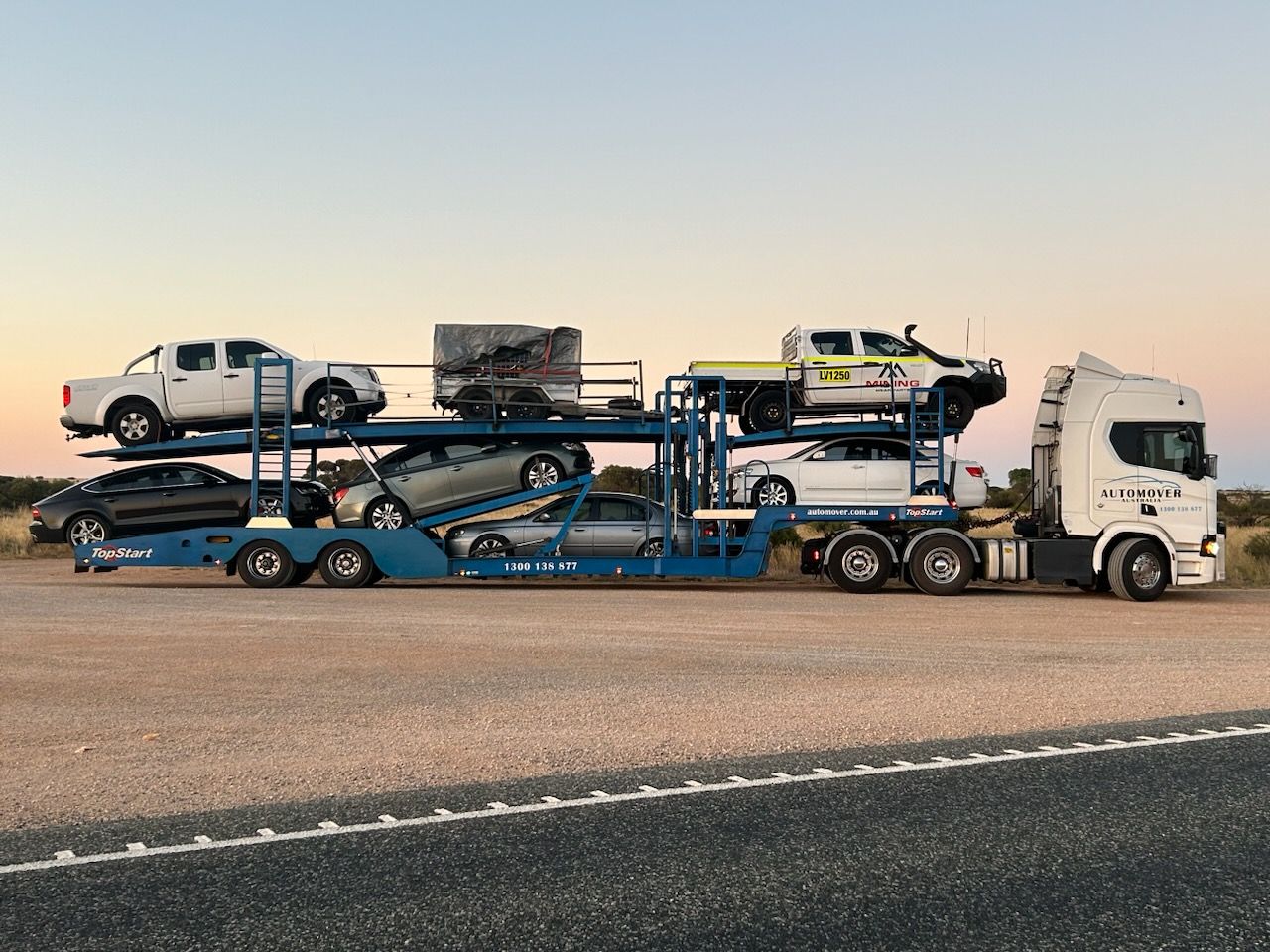
Not every boat travels the same way. The right method depends on the boat's size, hull shape and whether it already has a road-registered trailer.
Trailered boats
If your boat is already sitting on a registered trailer, this is usually the simplest and most cost-effective option. The trailer is either towed behind a truck or loaded onto a flatbed/low-loader, depending on distance, road rules and the hauler's equipment. Trailered transport works well for runabouts, tinnies, ski boats and smaller cabin cruisers, and it avoids the extra handling involved in lifting the hull.
Cradle transport
Larger boats, yachts and vessels without a suitable trailer are usually moved on a custom cradle or purpose-built transport frame. The boat is craned or slipped onto the cradle, strapped and braced at multiple points, then secured to a flatbed truck. Cradle transport is more involved than trailered haulage because it requires lifting equipment at both ends and careful weight distribution, so it's generally reserved for boats that can't otherwise be road-legally towed.
Jetski and PWC Transport
Jetskis and other personal watercraft are among the easiest items to transport, particularly when they're already on a light trailer. Because of their smaller footprint, jetskis are often combined with other freight on the same run, which can make them more economical to move than a larger boat over the same distance. Many Melbourne haulers will also transport jetskis alongside cars, caravans or trailers on the same truck to reduce costs. See our boat and jetski transport page for more detail on how this works.
Common Melbourne Boat Transport Corridors
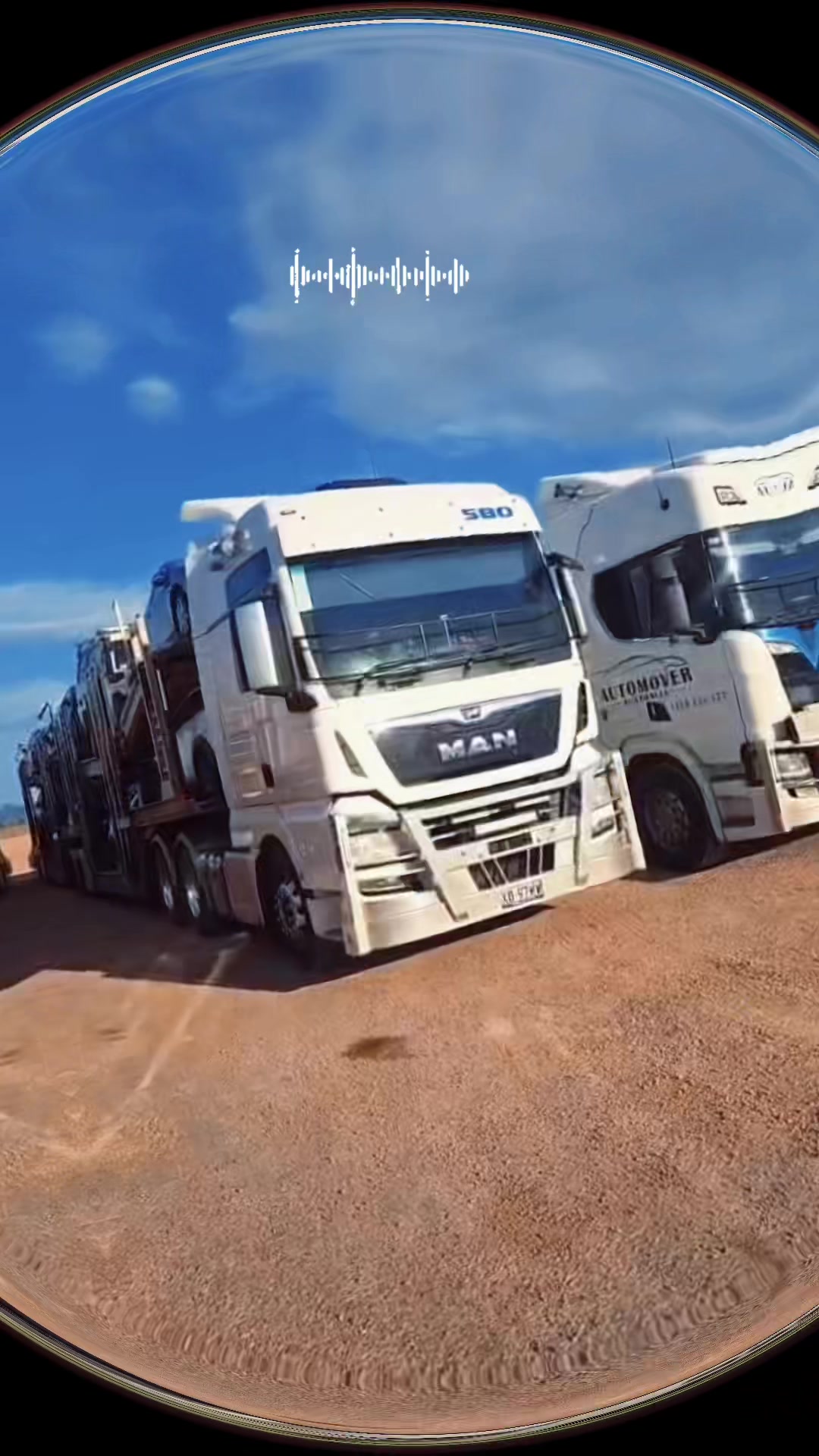
Melbourne sits on some of the busiest interstate freight routes in the country, which generally means more regular scheduling and competitive pricing on well-travelled corridors. The most common routes include:
- Melbourne to Gold Coast – popular with owners relocating for warmer weather or moving a boat closer to northern waterways.
- Melbourne to Sydney – one of the highest-frequency corridors in Australia, with regular capacity for boats, trailers and jetskis.
- Melbourne to Brisbane – a longer haul but well serviced, often combined with return-leg loads to keep costs down.
- Melbourne to Adelaide – a shorter interstate run, useful for owners moving between South Australia and Victoria.
Because these are established routes, you'll typically find more predictable scheduling and choice of hauler. For less common or regional routes, it pays to book earlier. Check our locations page to see depot coverage in your state, and review typical transit times when planning around a launch date or sale settlement.
What Drives the Price of Boat Transport
Boat transport pricing varies quite a bit from job to job, so it's worth understanding the main cost drivers rather than expecting a flat rate. Prices vary depending on:
- Distance and route – longer hauls and less-travelled corridors generally cost more per kilometre.
- Boat length, width and weight – wider or heavier vessels may need permits, escort vehicles or specialised trailers.
- Trailered vs cradle transport – cradle jobs typically involve extra handling, cranage and bracing, which adds to the cost.
- Access at pickup and drop-off – tight driveways, marinas or steep ramps can affect the equipment needed.
- Door-to-door vs depot-to-depot – depot transfers are often cheaper, while door-to-door adds convenience.
- Fuel costs at the time of booking – like most freight, boat haulage rates are influenced by fluctuating fuel prices; see our page on the fuel levy for how this can factor into quotes.
Because so many variables are involved, the most reliable way to get an accurate figure for your boat is to get an instant quote with your boat's dimensions and pickup/delivery details.
How to Prepare Your Boat for Road Haulage
Good preparation reduces the risk of damage and helps the job run smoothly on pickup day. Before your boat is collected, it's worth working through the following:
- Check trailer roadworthiness – tyres, bearings, lights and registration should all be in order if the boat is being towed on its own trailer.
- Remove or secure loose items – anchors, fenders, electronics, safety gear and personal belongings should be taken out or firmly stowed, as haulers generally won't be responsible for loose gear.
- Fold down or remove antennas and canopies – anything tall or protruding should be lowered to reduce height and avoid damage in transit.
- Secure hatches, doors and outboard motors – lock hatches, tilt and lock outboards in the travel position, and make sure covers are tightly fitted.
- Drain water tanks and bilges – excess water adds weight and can shift during transport.
- Take photos before pickup – a simple record of the boat's condition is useful for both you and the hauler.
- Confirm access at both ends – let the hauler know about driveway width, low branches, marina access or any height restrictions at pickup and delivery.
Taking the time to prepare properly not only protects your boat but also helps the hauler load and secure it efficiently, which can keep costs and delays to a minimum.
Frequently asked questions
Can I transport my boat on its own trailer?
Yes, if your boat already has a registered trailer this is usually the simplest and most cost-effective option, with the trailer towed or loaded onto a flatbed depending on distance and road rules.
What's the difference between trailered and cradle boat transport?
Trailered transport uses the boat's existing road-registered trailer, while cradle transport is used for larger boats or yachts without a suitable trailer, where the hull is craned onto a custom frame and strapped to a flatbed truck.
Can jetskis be moved along with other freight?
Yes, because of their smaller footprint jetskis are often combined with other freight on the same run, and many haulers will transport them alongside cars, caravans or trailers to help reduce costs.
What do I need to do to my boat before pickup day?
You should check the trailer's roadworthiness, remove or secure loose items like anchors and electronics, fold down antennas or canopies, secure hatches and outboards, drain water tanks and bilges, and take photos of the boat's condition beforehand.
How does distance affect boat transport pricing?
Longer hauls and less-travelled corridors generally cost more per kilometre, and factors like boat size, trailered versus cradle transport, access at pickup and drop-off, and fuel costs at the time of booking also influence the price.
Which interstate routes are most common for boat transport out of Melbourne?
The most common corridors are Melbourne to Gold Coast, Melbourne to Sydney, Melbourne to Brisbane and Melbourne to Adelaide, with these established routes generally offering more predictable scheduling and hauler choice.
Choosing the Right Boat Haulers in Melbourne
With several operators offering boat transport in Melbourne, it's worth looking beyond price alone. Consider the following when comparing boat haulers:
- Experience with your boat type – trailered tinnies and large cradle-mounted cruisers require different handling, so ask whether the hauler regularly moves vessels similar to yours.
- Depot network and coverage – a hauler with depots across the country, such as on our locations page, tends to offer more flexible scheduling on interstate corridors.
- Clear communication on insurance and liability – ask what's covered during transit and what's expected of you as the owner.
- Transparent quoting – reputable haulers will explain what's included in a quote and what could change the price, rather than leaving surprises for delivery day.
- Track record – look for a company trusted by 10,000+ happy customers across cars, trailers, caravans and boats, which suggests consistent, reliable service.
If you're unsure about any part of the process, check our frequently asked questions or reach out via our contact page before booking.
Ready to move your boat, cruiser or jetski interstate? Get an instant quote today and let Auto Mover Australia handle the haulage safely and reliably.