Best Time of Year to Book Interstate Car Transport (Avoiding Peak Season Delays)
Published 06/09/2026 · Updated 07/10/2026 · Auto Mover Australia
Interstate car transport is rarely a last-minute decision, yet many Australians only start researching carriers once they've already got a moving date locked in. The trouble is, vehicle transport demand isn't spread evenly across the year. Certain months see a genuine surge in bookings, and if you're trying to move during one of these windows, you may face longer waits, tighter depot capacity, and less flexibility on pickup dates. Understanding the seasonal rhythm of the industry can help you plan smarter, avoid unnecessary delays, and get your vehicle where it needs to go without the stress.
Why Timing Matters for Interstate Transport
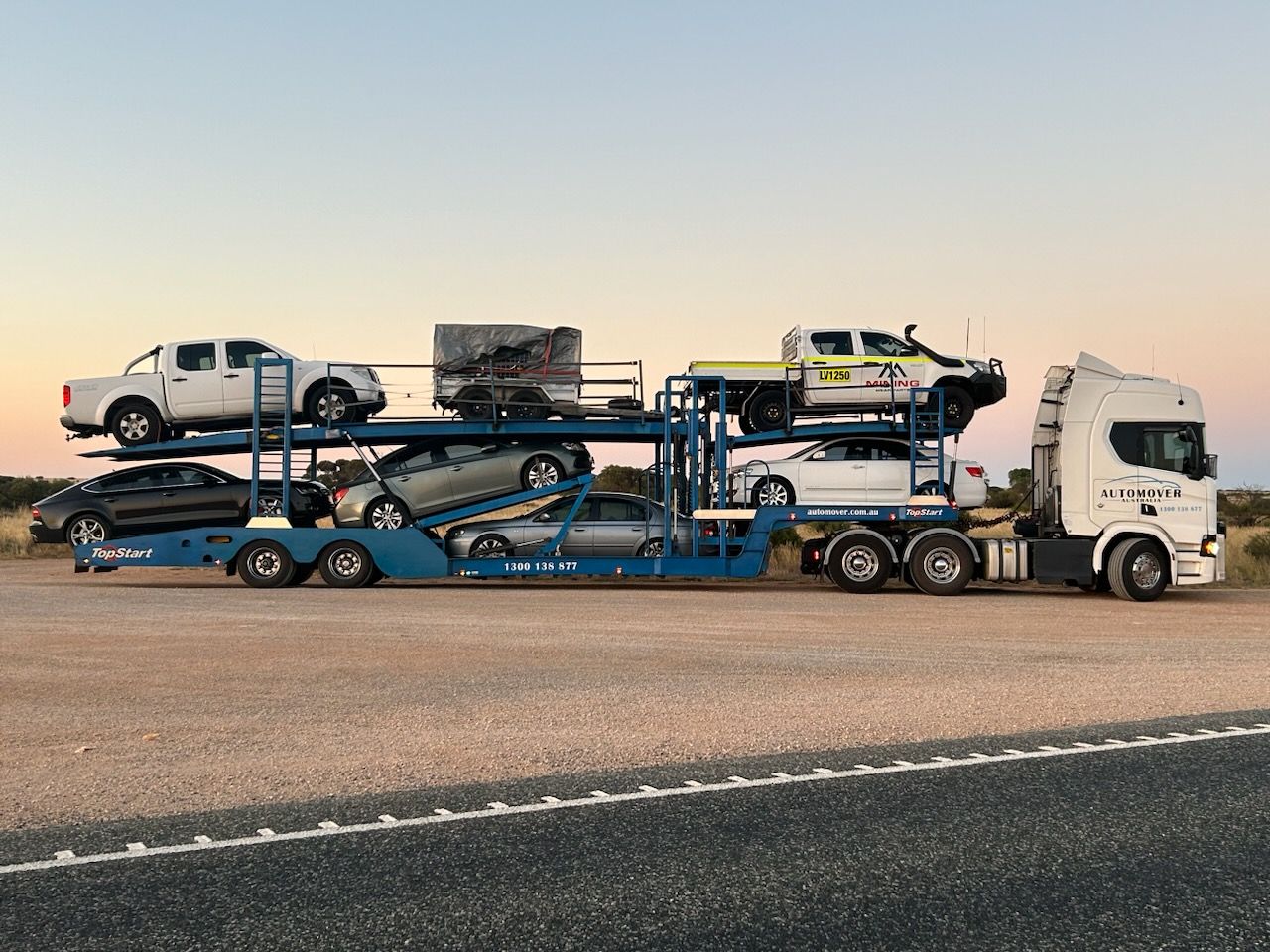
Car carriers work on a network model, matching multiple vehicles heading in similar directions to fill trucks efficiently. When demand spikes, trucks fill up faster and booking slots become scarce. When demand is lower, there's more room to move quickly and often more flexibility around pickup and delivery dates. Timing your booking around these patterns won't just help you avoid delays — it can also make the whole process smoother from quote to delivery.
Peak Periods to Be Aware Of
While demand can vary by route and season, a few periods consistently see increased activity across the Australian interstate transport industry:
End of Financial Year (May–June)
Businesses relocating fleets, tradies upgrading vehicles, and buyers taking advantage of end-of-year deals all contribute to a noticeable uptick in bookings during this period. If you're planning a move around this time, it pays to book earlier than you might think necessary.
Christmas and New Year (December–January)
This is one of the busiest stretches of the year for interstate transport. Families relocating before the new school year, seasonal workers moving between states, and general holiday travel all combine to push demand up significantly. Add public holidays into the mix, which reduce operating days, and it's easy to see why this period is best avoided if you have any flexibility at all.
School Holiday Periods
Families with school-aged children often prefer to relocate during term breaks to minimise disruption. This creates smaller but noticeable demand spikes throughout the year, particularly in the lead-up to the January school year start.
Major Capital City Events and Long Weekends
Large sporting events, festivals, and long weekends can temporarily affect depot capacity and road conditions in specific regions, particularly around Melbourne, Sydney, and Brisbane. Checking our depot locations and any regional notices before booking can help you plan around these localised pinch points.
The Best Times of Year to Book
Generally speaking, the quieter windows for interstate vehicle transport tend to fall in:
- Late summer to early autumn (February–March): After the holiday rush subsides, demand typically eases, giving you more flexibility on pickup dates.
- Mid-autumn (April): Before the EOFY surge begins, this can be a good window for planning a move without competing against peak demand.
- Early spring (September–October): Outside of school holiday periods, this tends to be a steadier time for bookings.
Of course, no two years are identical, and demand can shift based on economic conditions, fuel costs, and broader relocation trends. If your move date is flexible, it's always worth checking current transit times before locking anything in, as these can give you a real-time sense of how busy the network is.
How Far in Advance Should You Book?
As a general rule, booking two to four weeks ahead of your preferred pickup date gives carriers enough lead time to slot your vehicle into an efficient route. During peak periods, however, it's wise to extend that window considerably — six weeks or more isn't unreasonable if you're moving over Christmas, EOFY, or around a major public holiday. Booking early doesn't just protect your preferred dates; it also tends to give you more choice around door-to-door versus depot-to-depot service, which can affect both convenience and cost.
Practical Tips for Avoiding Delays Regardless of Season
- Get your quote early: Even if you're not ready to book, requesting an instant online quote early gives you a clear picture of pricing and availability so you can plan your move date with confidence.
- Be flexible with pickup windows: Carriers often have more capacity if you can offer a few days' flexibility rather than a single fixed date.
- Prepare your vehicle in advance: Make sure your vehicle is clean, has minimal fuel, and any loose items are removed. This speeds up the pickup and inspection process.
- Check the fine print: Seasonal fuel price movements can affect transport costs, so it's worth understanding how fuel levies may apply to your booking.
- Confirm depot details: If you're using depot-to-depot service, check operating hours over holiday periods, as some depots may have reduced availability around Christmas and New Year.
Special Considerations for Different Vehicle Types
Peak season pressures don't just affect standard passenger vehicles. If you're transporting cars and SUVs, commercial vehicles via truck and van transport, or leisure vehicles like boats and jet skis or trailers and caravans, seasonal demand can vary further based on activity type. For example, boat and caravan transport often sees increased demand heading into summer as owners relocate vehicles ahead of holiday season, while caravan movements can spike around long weekends and school holidays too. Planning your booking with these patterns in mind can help you secure a spot before capacity tightens.
Frequently asked questions
When is the busiest time for interstate car transport in Australia?
Christmas and New Year (December–January) is one of the busiest stretches, along with the End of Financial Year period in May–June. School holiday periods and major capital city events or long weekends can also create smaller demand spikes.
How far in advance should I book my car transport?
As a general rule, booking two to four weeks ahead of your preferred pickup date gives carriers enough lead time to slot your vehicle into an efficient route. During peak periods like Christmas or EOFY, it's wise to book six weeks or more in advance.
What's the best time of year to book to avoid delays?
Quieter windows tend to fall in late summer to early autumn (February–March), mid-autumn (April) before the EOFY surge, and early spring (September–October) outside school holiday periods.
Can I still get my car moved during Christmas or EOFY if I need to?
Yes, but these are peak periods with higher demand and reduced operating days due to public holidays, so it's best to book well in advance and be flexible with your pickup window if possible.
Does the type of vehicle affect how seasonal demand impacts transport?
Yes, seasonal demand can vary by vehicle type. Boat and caravan transport, for example, often sees increased demand heading into summer, while caravan movements can also spike around long weekends and school holidays.
What can I do to help avoid delays regardless of when I book?
Get your quote early, be flexible with pickup windows, prepare your vehicle in advance by having it clean with minimal fuel and no loose items, check how fuel levies may apply, and confirm depot operating hours if using a depot-to-depot service.
Plan Ahead, Move with Confidence
The bottom line is that interstate car transport, like most logistics-driven industries, follows predictable seasonal patterns. By avoiding the busiest windows where possible, booking with a reasonable lead time, and staying flexible on dates, you can sidestep most of the delays that catch other movers off guard. If you're ever unsure about timing, our team is on hand — check our frequently asked questions or reach out via our contact page for guidance tailored to your route.
Auto Mover Australia has helped relocate vehicles across every state, and is trusted by 10,000+ happy customers who value reliable, on-time interstate transport. Whether you're moving a single car or an entire fleet, our team understands how seasonal demand affects scheduling, and we work hard to keep our customers moving smoothly year-round. Learn more about our company or browse our blog for more transport planning tips.
Ready to lock in your move before the next peak season hits? Get an instant quote today and secure a transport date that works for you.