How to Get an Accurate Car Transport Quote in Australia
Published 17/08/2026 · Updated 07/10/2026 · Auto Mover Australia
Getting a car transport quote sounds simple until you start comparing numbers from different companies and wonder why they vary so much. The truth is, interstate vehicle transport pricing depends on a specific set of factors, and understanding them helps you read quotes accurately, avoid hidden surprises, and choose the service that genuinely suits your needs. Here's what actually moves the price up or down, and how to get a quote you can rely on.
Why Car Transport Quotes Vary So Much
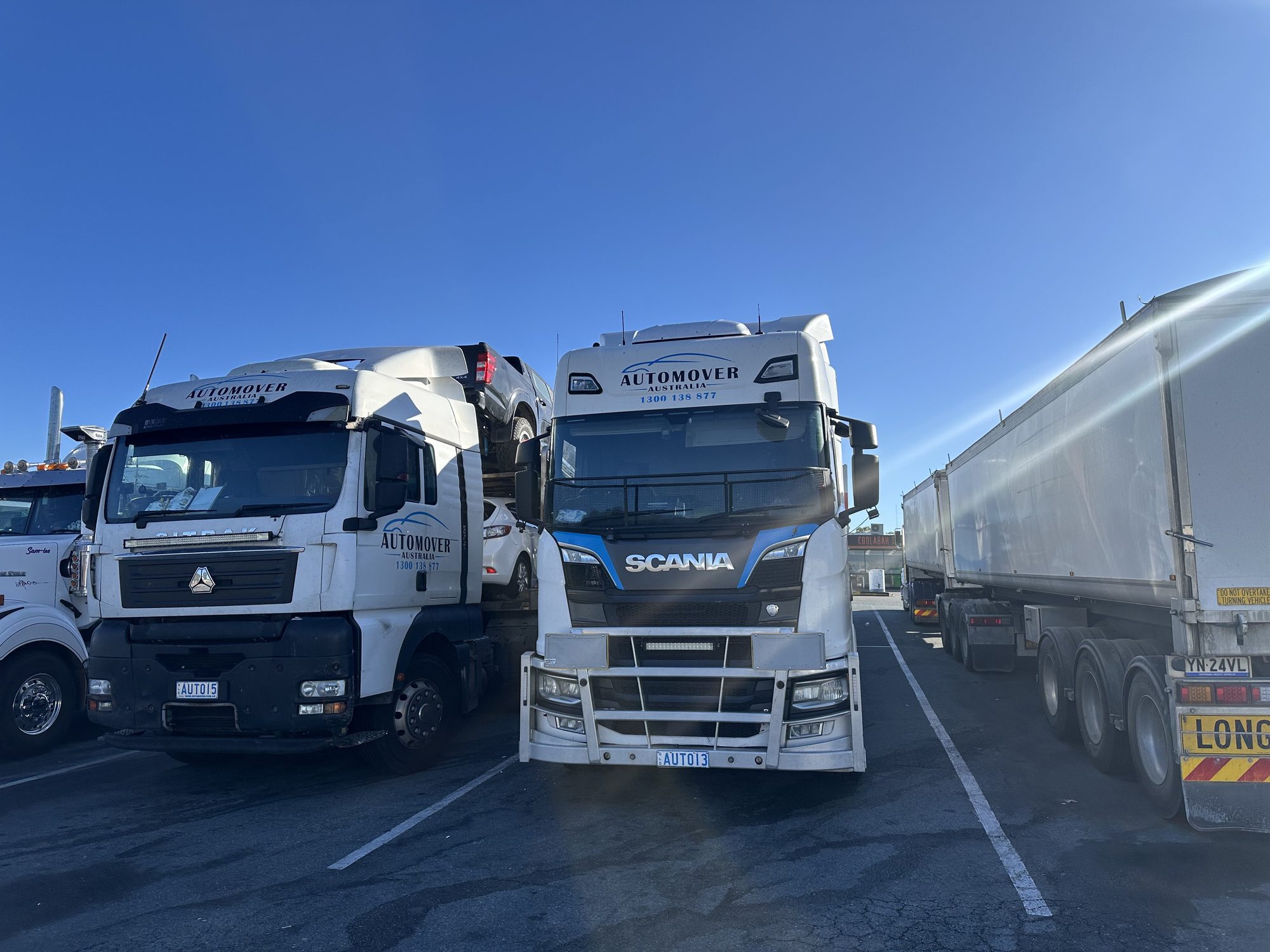
Not all quotes are created equal. Some companies quote a bare-bones base rate and add extras later, while others provide a fully inclusive figure upfront. Before comparing numbers, it helps to understand the underlying cost drivers so you know whether a quote is realistic or too good to be true.
Distance and Route
Distance is the most obvious factor, but it's not just about kilometres. Popular routes between major capital cities tend to be more cost-effective because carriers run them regularly and can fill trucks efficiently. Less common routes, or trips to regional towns off the main highways, often cost more simply because there's less return freight to offset the trip. Checking our depot locations can give you a sense of how well-serviced your route is.
Vehicle Type, Size and Weight
A small hatchback takes up less space and weighs less than a dual-cab ute, SUV, or van, and this directly affects how many vehicles fit on a single carrier. Larger or heavier vehicles, along with trucks, vans, boats, jet skis, caravans, and trailers, require different equipment and handling. If you're transporting something outside a standard passenger car, it's worth looking at dedicated pages such as truck and van transport, boat and jet ski transport, or trailer and caravan transport to understand how these categories are priced differently from standard cars.
Open vs Enclosed Transport
Most vehicles travel on open car carriers, which is the most common and cost-effective method, and it's the type of transport Auto Mover Australia uses for every move. Enclosed transport, which shields the vehicle from weather and road debris, is offered by specialist operators for classic cars, high-value vehicles, or anything needing extra protection, but it typically costs more due to limited space and specialised equipment. Understanding the difference matters when comparing quotes, since an open transport quote and an enclosed transport quote for the same vehicle can look very different. You can read more about how vehicles are loaded and secured on our car carrying page.
Door-to-Door vs Depot-to-Depot
Door-to-door service means the carrier picks up and delivers as close to your specified addresses as possible, which is convenient but can cost more depending on accessibility. Depot-to-depot service, where you drop off and collect the vehicle at a terminal, is often more economical since it simplifies the carrier's route. Neither option is universally "better"; it depends on your budget, schedule, and how close you are to a depot.
Timing and Scheduling Factors
When you book, and how flexible you are, can genuinely affect the price and availability.
- Lead time: Booking well in advance generally gives carriers more flexibility to slot your vehicle into an efficient route, which can help keep costs reasonable.
- Urgency: Last-minute or tightly dated requests may cost more, since the carrier has less flexibility to combine your job with others.
- Seasonal demand: Certain times of year, such as around major relocations, end-of-financial-year, or school holiday periods, see higher demand for interstate transport, which can affect both price and availability.
- Flexible dates: If you can offer a pickup window rather than a fixed date, carriers often have more room to fit your vehicle in efficiently, which can work in your favour.
For a realistic sense of how long your move might take, it's worth checking estimated transit times for your route before locking in dates.
Vehicle Condition and Accessibility
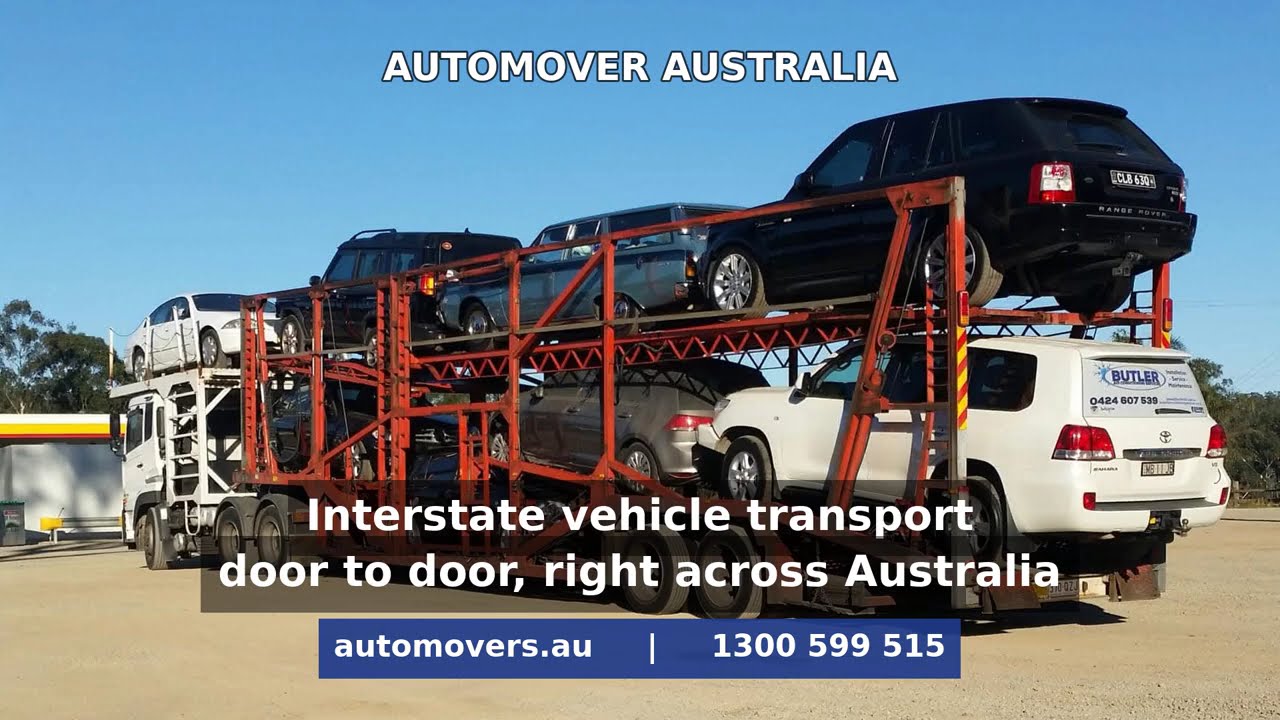
Whether your car is in fully running order affects how it's loaded and unloaded. A non-running vehicle typically requires winching equipment and extra handling time, which can add to the cost compared with a vehicle that drives on and off under its own power.
Location accessibility also matters. If your pickup or delivery address is in a tight inner-city street, a rural property with a long unsealed driveway, or somewhere a large carrier truck simply can't reach, this may require a smaller shuttle vehicle or an adjusted meeting point, which can influence pricing.
Fuel Costs and Levies
Transport pricing is also affected by fuel costs, which fluctuate over time. Many transport companies apply a fuel levy to account for this, rather than baking an estimate into the base rate that quickly becomes outdated. This approach is actually more transparent in the long run, since it reflects real-time costs rather than a guess. You can find more detail on how this works on our fuel levy page.
Insurance and Inclusions
Always check what's included in a quote. Some companies include comprehensive transit insurance as standard, while others offer it as an add-on or assume you'll rely on your own vehicle insurance policy. A quote that looks cheaper on the surface may not include the same level of cover as a slightly higher one. When comparing quotes, ask specifically what insurance is included, what the excess is, and what documentation is required in the event of a claim.
How to Get the Most Accurate Quote Possible
To get a quote that reflects the real cost of your move, be as specific as possible when you enquire:
- Provide the exact make, model, and year of the vehicle, along with whether it's currently running.
- Give precise pickup and delivery addresses, or at least the suburb and postcode, rather than just the city.
- Specify whether you want door-to-door or depot-to-depot service.
- Mention any modifications, oversized dimensions, or special handling needs, such as lowered suspension or roof racks.
- Be upfront about your preferred timeframe and how flexible you can be.
The more accurate your information, the more reliable your quote will be, and the fewer surprises you'll encounter on transport day. This is exactly why we built a straightforward process where you can get an instant quote online in minutes, using your actual vehicle and route details rather than a generic estimate.
Frequently asked questions
Why do car transport quotes vary so much between companies?
Quotes vary because some companies give a bare-bones base rate and add extras later, while others provide a fully inclusive figure upfront. Factors like distance, vehicle type, transport method, and inclusions such as insurance all affect the final price.
How much does it cost to transport a car interstate?
The cost depends on things like the distance and route, the size and weight of your vehicle, whether you choose door-to-door or depot-to-depot service, and whether your car is running or needs winching. The best way to get a real figure is to provide exact vehicle and route details when requesting a quote.
Can I get my car picked up and delivered to my door?
Yes, door-to-door service is available and means the carrier picks up and delivers as close to your specified addresses as possible, though it can cost more depending on accessibility. Depot-to-depot service, where you drop off and collect at a terminal, is often more economical.
Does it cost more to transport a car that doesn't run?
Yes, a non-running vehicle typically requires winching equipment and extra handling time, which can add to the cost compared with a vehicle that drives on and off under its own power.
Is open or enclosed car transport better?
Open car carrier transport is the most common and cost-effective method, and it's what Auto Mover Australia uses for every move. Enclosed transport offers extra protection for classic or high-value vehicles but typically costs more due to limited space and specialised equipment.
What information should I provide to get an accurate quote?
Give the exact make, model and year of your vehicle, whether it's currently running, precise pickup and delivery addresses or at least suburb and postcode, and whether you want door-to-door or depot-to-depot service. Also mention any modifications or special handling needs and your preferred timeframe, as the more accurate your details, the more reliable the quote.
Questions to Ask Before You Book
Once you have a quote in hand, a few quick questions can confirm whether it's genuinely comparable to others:
- Is this quote inclusive of the fuel levy, or is that added separately?
- What insurance cover is included, and what's the excess?
- Is this open transport (the type Auto Mover provides) or enclosed transport, which is offered by specialist operators?
- What happens if my pickup or delivery date needs to change?
- Is this a door-to-door service, or will I need to visit a depot?
If you're still unsure about any part of the process, our frequently asked questions page covers most common concerns, and our team is always available via our contact page if you'd like to talk through your specific situation. We're proud to be trusted by 10,000+ happy customers across Australia who've moved everything from daily runabouts to boats and caravans between states. You can also learn more about how we operate on our about page.
Ready to see a real number for your vehicle and route? Get an instant quote today and get a clear, accurate price in minutes, with no guesswork required.