Why Car Transport Costs More To and From Perth: East Coast vs West Coast Compared
Why Perth Sits in a Cost Category of Its Own
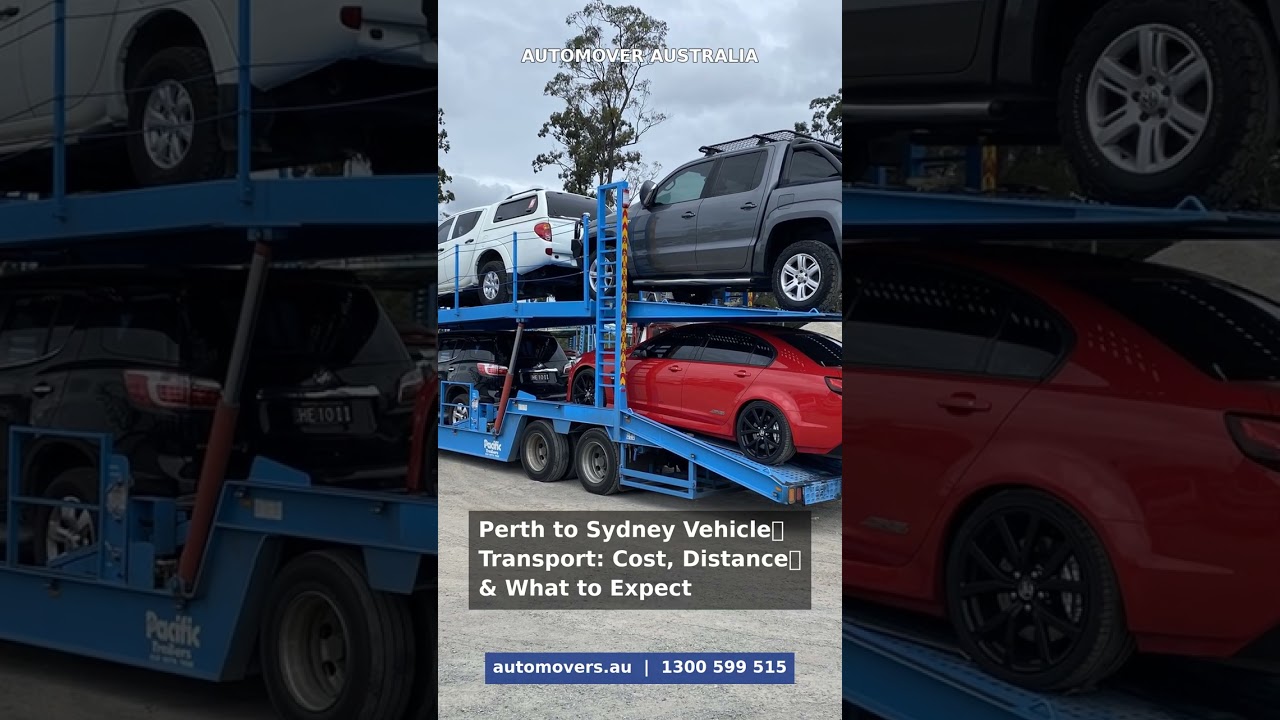
If you've ever compared quotes for moving a car between Sydney and Melbourne against a quote for Perth, you've probably noticed a gap. It's not your imagination, and it's not a case of being "ripped off" — Perth-bound and Perth-originating car transport genuinely costs more than most east coast routes, for reasons that come down to geography, logistics, and simple supply and demand. Understanding why can help you plan ahead, choose the right service, and avoid surprises when you get an instant quote.
The Geography Problem: Distance and Isolation
Perth is one of the most isolated capital cities in the world, and the numbers on a map don't lie. The drive from Perth to Adelaide alone covers a vast, sparsely populated stretch of the Nullarbor, with very few towns, services, or alternative routes in between. Compare that to the Sydney–Melbourne or Melbourne–Brisbane corridors, which run through densely populated regions with multiple highway options, frequent fuel stops, and constant two-way traffic.
This isolation means:
- Carriers spend significantly more time and fuel covering the same relative "distance" in value, because there's less traffic density to offset the trip.
- Breakdown recovery, driver changeovers, and rest stop logistics are harder to manage across the Nullarbor than on east coast highways.
- There are fewer alternative road or transport options if a route is disrupted by weather, roadworks, or closures.
All of this adds operational risk and cost that carriers factor into their pricing for any WA-bound job.
Backloading and Freight Balance
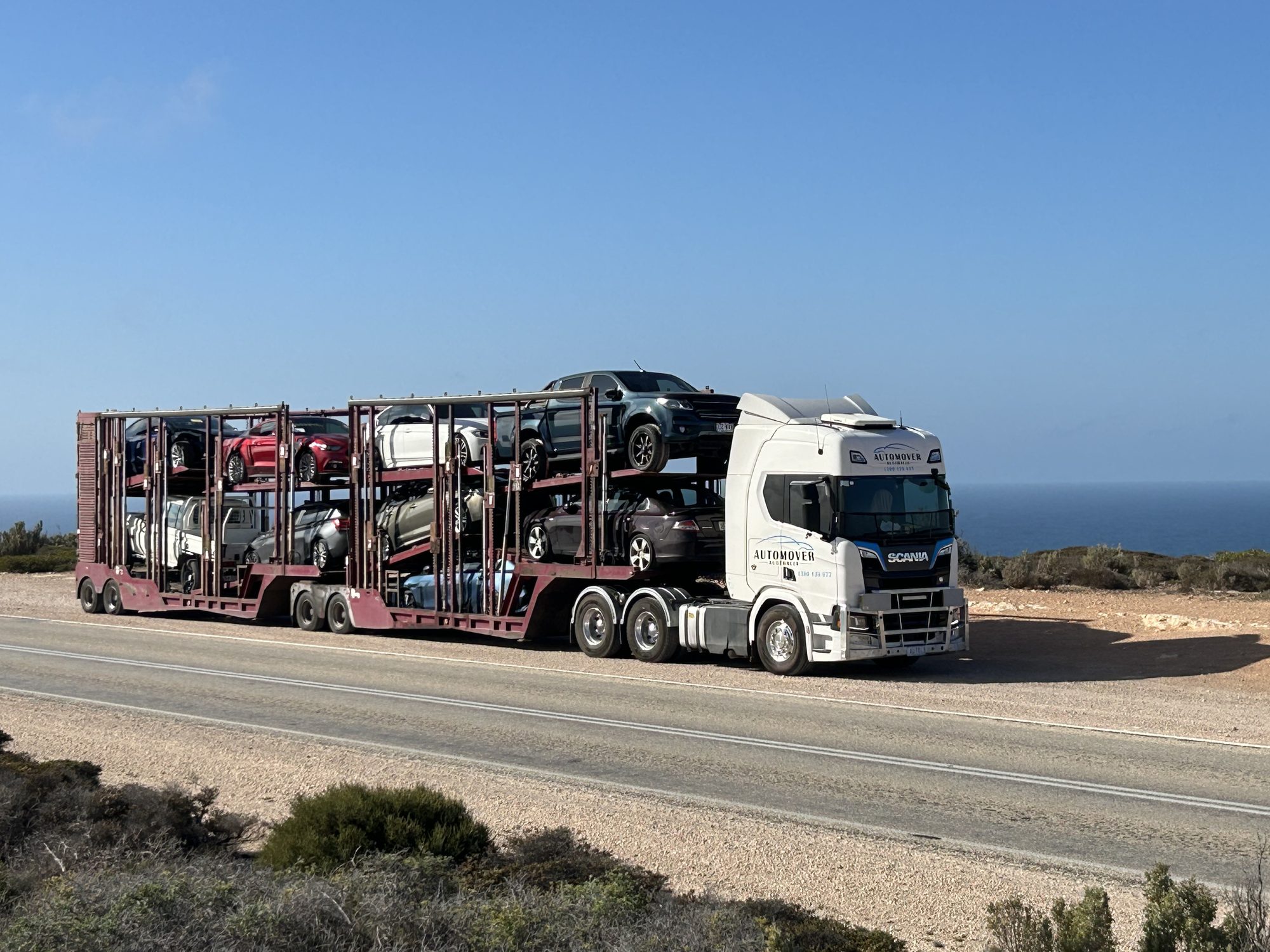
One of the biggest hidden drivers of car transport pricing across Australia is freight balance — essentially, whether a carrier can pick up a return load once they've delivered on the outbound leg. On east coast routes like Sydney–Melbourne–Brisbane, there's a constant, roughly even flow of vehicles moving in both directions. Carriers can load a truck heading north, unload, then quickly load another vehicle heading south. This keeps trucks full and running efficiently, which keeps prices competitive.
Perth doesn't have that same balance. Significantly more vehicles tend to move from the east coast to Perth than the other way around, particularly during peak relocation periods. That means carriers often have to run a leg of the journey with a partially empty truck, or wait longer at a depot to fill capacity before departing. Either way, someone has to absorb that cost — and it's typically reflected in the price of the booking.
This is also why timing can matter. If you're flexible on your transit timeframe, you may be able to slot into a load that's already partially booked, which can sometimes work in your favour.
Fuel, Tolls, and Regional Levies
Fuel costs are a major line item for any interstate car carrier, and the long, remote stretches to and from Perth mean higher total fuel consumption per job compared with shorter, higher-density east coast runs. Fuel prices themselves also fluctuate, and surcharges are often applied industry-wide to reflect this. You can read more about how these charges work on our fuel levy page, which explains why this component of your quote can shift over time regardless of which route you're on — but it tends to have a larger dollar impact on longer WA routes simply because more fuel is used per trip.
Add to this the practical realities of driver rest breaks, overnight stops, and depot handling in more remote areas, and it's easy to see why the total cost of service is higher, even before you factor in vehicle size or type.
Vehicle Type Also Changes the Equation
The type of vehicle you're moving plays a role in cost regardless of route, but the impact is often magnified on Perth journeys because of the factors above. A standard sedan moved via our car carrying service will generally be more cost-effective than a larger vehicle, simply because of the space and weight it occupies on a carrier.
Larger vehicles, commercial vans, and light trucks handled through our trucks and vans transport service require more careful load planning, and boats, jet skis, caravans, and trailers each come with their own handling requirements. If you're shipping a boat or jet ski to or from WA, our boat and jet ski transport team can advise on the best method, and for caravans or trailers, our trailer transport service covers the specific tie-down and dimension considerations involved. All of these variables interact with the distance and freight-balance issues already discussed, which is why a like-for-like comparison between an east coast job and a Perth job rarely tells the full story.
Transit Times: Another Piece of the Puzzle
Because of the sheer distance involved, transit times to and from Perth are naturally longer than most east coast routes. A Sydney–Melbourne transport might take a day or two, while a Perth route can take considerably longer depending on scheduling, weather, and carrier availability. Longer transit times tie up carrier capacity for longer, which is another factor woven into pricing. You can check general timeframes for your specific route on our transit times page before booking, so you know what to expect and can plan your move accordingly.
How to Get the Best Possible Price for a Perth Move
While you can't change the geography, there are practical ways to keep your costs as reasonable as possible:
- Be flexible with dates. If you can allow a wider pickup or delivery window, you're more likely to be matched with an already-scheduled load heading in your direction.
- Consider depot-to-depot instead of door-to-door. Dropping off and collecting from a depot near you can reduce handling complexity and sometimes cost, particularly in regional areas.
- Book early where possible. Popular relocation periods can put pressure on capacity, especially on WA routes where freight balance is already tighter.
- Compare like-for-like services. Make sure any quote you're comparing includes the same level of service — insurance cover, door-to-door versus depot, and vehicle type — as pricing structures can vary widely between providers.
- Ask about consolidated loads. Sometimes moving your vehicle alongside others heading the same way can bring costs down.
It's also worth checking our frequently asked questions page, which covers common queries about insurance, documentation, and what to expect on pickup and delivery day. And if your move involves a specific state, our locations page outlines depot coverage across the country, including Western Australia.
Why It's Still Worth Booking a Specialist Carrier
Despite the higher relative cost, using an experienced interstate transport provider for a Perth move is almost always more practical — and often cheaper overall — than driving the vehicle yourself once you factor in fuel, accommodation, vehicle wear, and time off work. Auto Mover Australia is trusted by 10,000+ customers for interstate vehicle transport, with depots in every state and a team that understands the specific challenges of WA routes. You can learn more about how we operate on our About page, or reach out via our Contact page if you have questions before booking.
Get an Accurate Price for Your Perth Move
Every job is different, and the best way to understand your actual cost is to get a tailored, obligation-free number rather than relying on rough estimates. Head over to get an instant quote today, and see exactly what's involved in moving your car, SUV, truck, boat, or caravan safely to or from Perth.